














Nicole Ross
3 weeks ago
I wanted to leave a review. I have not retained this law firm due to my financial situation. This firm worked with during my financial difficulties and when I am ready financially and mentally I will be retaining this firm for my legal issue. God bless the owner and his wife.

george akuchie
1 month ago
This law firm provided me with exceptional service!
Jordan McCleskey was outstanding and provided great representation that made the entire experience less stressful.
I highly recommend them.
Jordan McCleskey was outstanding and provided great representation that made the entire experience less stressful.
I highly recommend them.

Carol S
2 months ago
Wow! Great attorney, he cares and he will "fight" for you. Makes law so you understand it.

joseph S.
3 months ago
What can i say but this law firm is simply amazing, smart and calculated attorneys and amazing communication.
He got me (father) sole custody of both my children in a Jury trial.
His advice was sound and calculated and his defense and offense was unmatched Daniel and his attorneys are among the best I've ever seen. 10 out of 10 would recommend to any father looking to fight the good fight for his children!
He got me (father) sole custody of both my children in a Jury trial.
His advice was sound and calculated and his defense and offense was unmatched Daniel and his attorneys are among the best I've ever seen. 10 out of 10 would recommend to any father looking to fight the good fight for his children!

Raphael Dewberry
3 months ago
Jordan McCleskey was a great attorney. She handled my case great and I would Recommend This law office Tanks again Jordan.

K K
3 months ago
Daniel Ogbeide and Meredith Black did an outstanding job handling my family defense case. They were professional, knowledgeable, and supportive throughout the entire process. Thanks to their hard work and dedication, my case was dismissed. I highly recommend them to anyone needing strong and reliable legal representation.

Charles Johnson
4 months ago
Very helpful and informative and made sure I had the best outcome in a bad situation

Alex Acuna
5 months ago
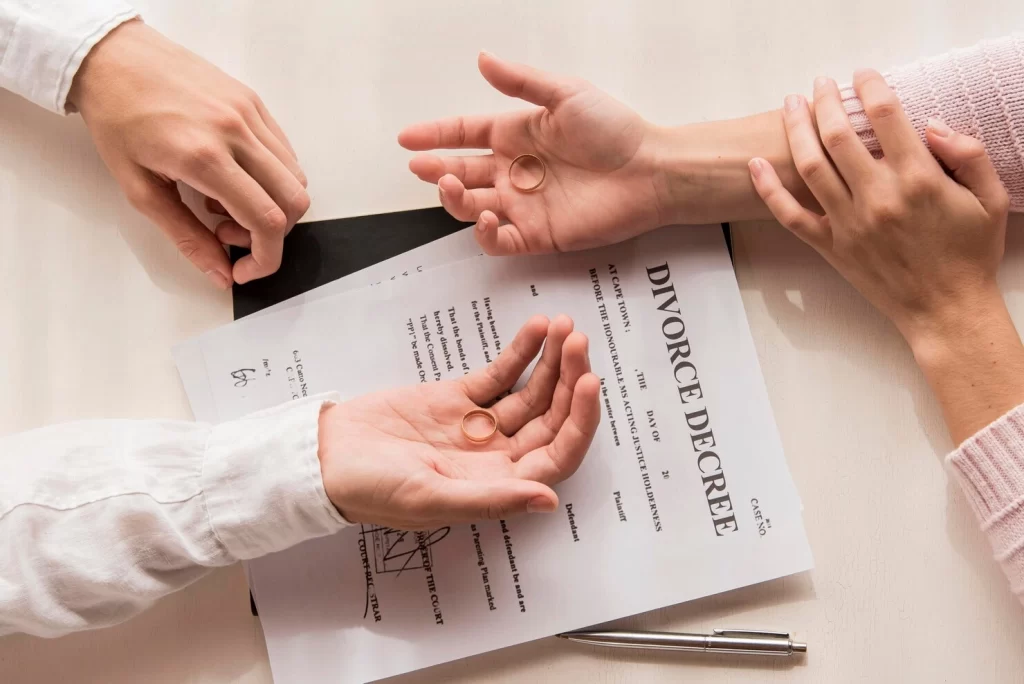
Daniel Ogbeide Law helped me successfully complete my divorce process, and I couldn’t be more grateful for their professionalism and support throughout the entire experience. The office was responsive, knowledgeable, and made a difficult situation much easier to navigate. I highly recommend Daniel Ogbeide Law to anyone looking for outstanding legal representation.

Tiffany Willis
7 months ago
After an 8-year custody battle and working with multiple attorneys prior, Jazmine Spencer at Daniel Ogbeide Law truly exceeded all of our expectations. She delivered exactly what we asked for in our case, and we couldn’t be more satisfied with her service. Her knowledge, dedication, and professionalism are evident in the results she achieves. We highly recommend this firm to anyone in need of strong, reliable representation.

Shelby wagner
7 months ago
My experience with Ogbeide Law was positive & successful. Mr Ogbeide is a very personable individual, which is the entire reason I hired this firm. Avian his wife is just as amazing as well. Meridith was in charge of my custody case, she was knowledgeable & professional. It was handled with such care which made it less stressful for me. I highly recommend this firm for any of your legal needs.

Edmond Quanon
7 months ago
I worked with Meridith Black through my divorce and she was great. Court process doesn't always work the way you want it, but I will definitely recommend her.

Jewel Clark
7 months ago
Lawyer Daniel Ogbeide provided me with excellent representation. I needed a family lawyer the next day in court. Mr. Ogbeide actually traveled 120 miles for my case. You have to listen to him. He’s not a therapist, but he gives excellent sound advice.
He’s an awesome defender and he tells it like it is. So don’t waste your time with someone else.
He’s an awesome defender and he tells it like it is. So don’t waste your time with someone else.

ozarka water
9 months ago
Every time I have legal questions, he always answers. Had I lived nearby, he would be my #1 attorney to use.

Redacted
9 months ago
I contacted this law firm during an extremely stressful and sensitive period. From the intake call to my interactions with the attorney, the entire experience was world class. Daniel was my assigned attorney and he did a phenomenal job. Daniel was knowledgeable and wise with respect to the subject matter, he understood my needs and was very clear about how we should achieve those means. He was very clear about risk management, extremely grounded, and displayed a sophisticated level of foresight. His advice and counsel was measured, calm and intentional. He was responsive, timely and provided stellar legal service. I highly recommend this law firm.

Jessica Benoit
9 months ago
I had a really good experience speaking with this attorney today. Even though he is not my attorney, he was professional, responsive, and extremely efficient. I reached out with a request and he handled what needed to be done quickly and without unnecessary delay.
He made sure everything was completed right away and promptly sent over the decree and related documents. The entire interaction was straightforward, respectful, and didn’t take long at all. I genuinely appreciated how smoothly the process went and how seriously he treated my request.
Based on my experience, I would absolutely recommend him for his professionalism, responsiveness, and efficiency.

Keenan Bartholomew
9 months ago
Grace Smith is my lawyer. Shes smart, reliable and dependable .She conducts herself very well in court. And willing to fight if its needed. I would recommend Grace Smith and the whole law firm to anyone that need a lawyer.

Kasandra Jones
9 months ago
I had an amazing experience with Grace. She was very personable, patient, and always took the time to explain everything clearly. From start to finish, she made me feel like I wasn’t just another case — she felt like family. She fought for me through the entire trial and I couldn’t be more thankful. I highly recommend her!

Yaoska Martinez
1 year ago
I had a consultation with this office,and within those 30 minutes I knew the kind of attorney I want representing me. They were understanding, knowledgeable, honest. The fees were explained up front which I appreciated. I have been through 2 different law firms,and I wish I would have called them first. Would have saved me alot of money, time and stress.
Response from the owner
Hello Yaoska Martinez, We're thrilled to hear about your positive experience with Daniel Ogbeide Law. Your wonderful feedback truly resonates with our commitment to provide clear, understanding and upfront services to our clients. We are proud that we could represent the qualities you were looking for and save you from further stress. Your appreciation is our greatest motivation to keep doing our best. Thank you for your kind words and 5-star rating. Wishing you all the best! Daniel Ogbeide Law Team.12 months ago

Molly Farah
1 year ago
I am deeply grateful for the opportunity to work with Meridith after previously dealing with attorneys who didn’t listen and, frankly, were dismissive and rude. From the very beginning, Meridith stood out for her integrity, compassion, and kindness. She was consistently calm, level-headed, and collected, which gave me confidence and peace of mind during an extremely contentious and high-conflict case.
What impressed me most was that she was not afraid to go to trial if needed—a rare quality, as many attorneys try to avoid it. Even though we ultimately resolved the matter in mediation, she made me feel fully supported and truly heard every step of the way.
Meridith and Daniel together were excellent. They clearly operate with the highest respect for the law and an unwavering commitment to their clients. After working with them, I can honestly say I would never hire another attorney. I cannot recommend Meridith enough to anyone seeking representation rooted in professionalism, compassion, and true integrity.
Response from the owner
Thank you for the wonderful review!1 year ago

Omolara Jowojori
1 year ago
It was such a pleasure working with this law firm. Grace was assigned to my case in helping us with the name change of my baby. Glad it’s over and done with! Thanks Grace and Daniel. You both are amazing!
Response from the owner
Thank you for the great review!!1 year ago

SuperDavion gaming
1 year ago
Great law firm for family law needs!
Response from the owner
Thank you for the great review!1 year ago

Devon kelley
1 year ago
Great team really works for you. Would recommend their law firm for any father working to have their rights to the their child or children 👌🏿
Response from the owner
Hi Devon,Thank you so much for your kind words! We're thrilled to hear that you had a positive experience with our team at Daniel Ogbeide Law. Helping fathers assert their rights and strengthen their bonds with their children is a central part of our mission. Your recommendation means a lot to us and reinforces our commitment to providing compassionate and effective legal support. If you need any further assistance, don't hesitate to reach out. We're here for you!Warm regards,Daniel Ogbeide Law1 year ago

Christiana
1 year ago
Mr.Daniel and his team are honest, professional, and supportive. They walked with me through every step, explained everything clearly, and truly understood my situation. I highly recommend this law firm to anyone seeking dedicated and trustworthy legal help!
Response from the owner
Hi Christiana,Thank you so much for your kind words and recommendation! We're thrilled to hear that you had a positive experience with Mr. Daniel and our team. It's our mission to provide honest, professional, and supportive legal assistance, and we're grateful for the opportunity to walk with you through every step of your legal journey. Your endorsement means a lot to us, and we're here whenever you need dedicated and trustworthy legal help.Warm regards,Daniel Ogbeide Law1 year ago

KayChi
1 year ago
Nkeiruka Grace Smith was our representative in a really messy divorce case. She helped my family, specifically my brother and helped us work out an agreement that ensured the safety of my niece and nephew. We are so thankful for all her help, and we recommend working with them! Five stars!!!
Response from the owner
Hi KayChi,Thank you so much for your wonderful review! We're thrilled to hear that Nkeiruka Grace Smith was able to assist your family during such a challenging time. Ensuring the safety and well-being of your niece and nephew is exactly the kind of outcome we strive for at Daniel Ogbeide Law. Your recommendation means the world to us, and we're grateful for your trust. If your family ever needs further assistance, we're here to help.Warm regards,Daniel Ogbeide Law Team1 year ago

Kenneth Ual
1 year ago
Just wrapped up a roller coaster case, Grace and Daniel delivered me such an amazing victory. Case was not easy, road was bumpy, but no matter what came my way, this amazing legal team backed me up. I pray people dont have to go through what I had to, but this legal team can and will guide, support, and deliver amazing results. Grace took time to not just make me “respondent” in the case. I was a human, a father, and they fought for me even when I got in my own way. Can’t recommend a better legal team!
Response from the owner
Hi Kenneth,Thank you for sharing your experience! We're thrilled to hear about the positive outcome. Navigating such challenging situations is never easy, and we admire your resilience throughout the journey. We're glad that Grace and Daniel could provide you with the support and representation you needed, treating you not just as a client, but as a human and a father. Your words reaffirm our commitment to fighting for our clients' best interests. Thank you for recommending us so highly. We're here for you if you ever need assistance in the future.Warm regards,The Daniel Ogbeide Law Team1 year ago

Nikki
1 year ago
The entire staff at this firm was professional, knowledgeable, compassionate, effective, and kind. There is no nickel and diming here. I'm happy with their service and especially the integrity in which they work. Mr. and Mrs. Ogbeide were an answer to my prayers. Ms. Meredith Black was assigned to my case and I couldn't have been happier. Thank you all for helping me navigate my way through this difficult time.
Response from the owner
Thank you so much for your honest heartfelt review! I am glad the team didn't disappoint you!1 year ago

Michelle
1 year ago
My Gods grace i stumbled upon my attorney Daniel, through faith I decided to hire him to help fight for the sole custody of my daughter and the protection order. I’m beyond grateful God has used him to bless us among many others with the outcomes we prayed for. Thank you for the wisdom, knowledge, expertise, and honesty you use to fight these battles. To anyone considering hiring anyone on his team I couldn’t recommend them enough! May God continue to have his hand upon you and guide you in every case you face !
Response from the owner
Thank you so much for your heartfelt review. We are truly grateful for your kind words and are honored to have played a part in your journey. Your faith and trust in us mean the world, and we’re glad to have been able to secure the outcomes you hoped and prayed for. May God continue to bless you and your family, and may you always find the peace and protection you deserve. Thank you again for your support and recommendation!Warm regards,Daniel Ogbeide and the team1 year ago

londeka Addison
1 year ago
I’m currently going through a complex same-sex divorce and custody case in Texas, and I truly don’t know where I’d be without Mr. Ogbeide. From the very beginning, he has been honest, upfront, and transparent (qualities that are unfortunately rare in the legal world).
Unlike other attorneys I’ve encountered, Mr. Ogbeide doesn’t sugarcoat anything. He laid out the realities of Texas law, the possible outcomes I might face, and helped me prepare for each step of the process. He is incredibly patient, communicative, and always present. He doesn’t just treat you like a case number, he speaks to you like a real person, with genuine care and legal guidance that makes you feel supported and seen.
Even though my case is still ongoing, I couldn’t wait to express how much I appreciate his integrity and dedication. If you’re looking for an attorney who will fight for you, TELL YOU THE TRUTH, and stand by your side with both legal expertise and compassion, I highly recommend Mr. Ogbeide and his team.
Once my case is done, I will be back again to give an update
Response from the owner
Thank you so much for sharing your experience and your kind words. It’s a privilege to be able to walk alongside you during such a challenging time, and I’m honored that you trust me and the team to handle your case with honesty, compassion, and diligence. Your courage and openness have been a source of inspiration, and I want you to know that we’re here for you every step of the way.We look forward to standing by your side through the remainder of your case and ensuring the best possible outcome for you. Your trust and appreciation mean so much to us. Thank you again for your generous review—it truly motivates us to keep fighting for our clients.Warm regards,Daniel Ogbeide and the team1 year ago


Bernard Yeboah
1 year ago
In short words Grace Smith did an amazing job on my divorce and child support case ,she was helpful right from beginning to the end
Keep up the good work saving families and individuals who find themselves in tough situations like mine
Keep up the good work saving families and individuals who find themselves in tough situations like mine
Response from the owner
Thank you for your kind words about Grace Smith. We are thrilled to hear that she was able to assist you effectively with your divorce and child support case. At Daniel Ogbeide Law, we are committed to supporting individuals and families through challenging times, and it is gratifying to know that Grace's dedication made a positive impact on your experience. Your feedback encourages us to continue with our mission to provide empathetic and proficient legal support. Should you require any further assistance, please do not hesitate to reach out.Best regards, The Daniel Ogbeide Law Team1 year ago

Derrick Hill
1 year ago
Hands down the best law firm you can work with. Grace Smith is an amazing and knowledgeable attorney and will fight hard for your needs. Daniel Ogbeide is an amazing and knowledgeable lawyer who cares about his staff and the people who he represents. Would always use them for anything I my need in their field of practice.
Response from the owner
Thank you so much for your glowing review! We're thrilled to hear about your positive experience with our law firm. Grace Smith and Daniel Ogbeide are indeed exceptional attorneys, and it’s wonderful to see their dedication and care recognized. Knowing you would choose us for all your legal needs within our practice areas is the highest compliment. Please feel free to reach out anytime you need assistance. We're here to support and serve you. Wishing you the very best!1 year ago

Anthony Prude
1 year ago
Spoke to Ms. Doris and she was extremely respectful and transparent with my questions and concerns. Don’t feel hesitant to reach out to her regarding your custody or any other issues going on!
Response from the owner
Thank you so much for your kind words and positive feedback! We're thrilled to hear about your positive experience with Ms. Doris. Our team is dedicated to providing respectful and transparent support to everyone. Knowing that you felt comfortable reaching out means a lot to us. Should you need any further assistance, don't hesitate to get in touch. Your recommendation is truly appreciated!1 year ago


Oile Caraballo
2 years ago
Thanks to Grace Smith for the patience working on my case. She is very knowledgeable and professional. Even when I lost the faith, she kept pushing and finally she got it. Always smiling and always available for answering any questions. First class service. Total control of the case on the jury and great presentation of facts. Really appreciate hers security and elegance every time of the process. I felt safe and confident with her representation. Thanks…
Response from the owner
Thank you so much for your kind words! We're thrilled to hear about your positive experience with Grace Smith. Her dedication, expertise, and professionalism are truly invaluable to us. It's wonderful to know that she provided first-class service and made you feel secure and confident throughout the process. We'll be sure to pass along your compliments to her. If you have any further questions or need assistance in the future, please don't hesitate to reach out. Wishing you all the best!2 years ago

Ben Ogidan
2 years ago
Attorney Daniel sought to understand my context and goals. He ensured good follow up with me and his team while sharing a balanced perspective on costs and outcomes.
I am withholding a 5th star for initial challenges with junior lawyer that was quickly recognized and resolved.
I will recommend you for future services.
I am withholding a 5th star for initial challenges with junior lawyer that was quickly recognized and resolved.
I will recommend you for future services.
Response from the owner
Thank you for the honest review. We will continue to strive to do better. It was a delight to work with you!!2 years ago