
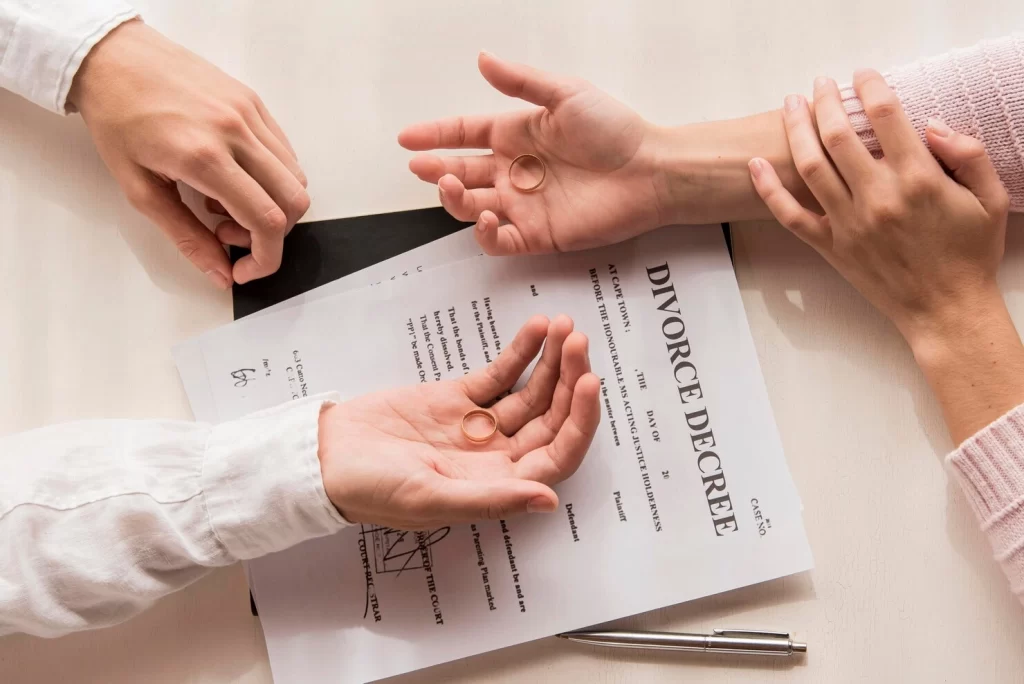


A court order is not a suggestion. Yet every day, Houston-area parents and spouses find themselves on the wrong end of an ex-partner who simply decides the rules do not apply to them. When that happens, understanding the available legal remedies becomes essential, both for enforcing what is owed and for protecting the stability an order was meant to provide.
Our team at Daniel Ogbeide Law regularly represents clients dealing with court order violations across custody, visitation, child support, and property division matters. Knowing what options exist can turn a frustrating situation into a manageable one.
What Counts as a Court Order Violation?
A court order violation happens when someone fails to follow the specific terms a judge has put in writing. This is broader than most people expect, and covers far more than simply missing a child support payment. Examples can include:
- A parent repeatedly denying scheduled visitation time
- A parent falling behind on court-ordered child support payments
- A spouse failing to transfer property or complete a division as ordered
- Violating the terms of a protective order
- Refusing to follow decision-making provisions outlined in a custody order
Even a single missed payment or one denied visit can sometimes qualify, though courts generally look for a documented pattern before taking formal action on court order violations. Isolated, one-time incidents are treated differently than an ongoing pattern of noncompliance.
What Happens When a Court Order Is Ignored?
Ignoring a family court order carries real consequences, though the specific outcome depends on what type of order was violated. Courts have several tools available, including holding the violating party in contempt, ordering wage garnishment, and in more serious or repeated cases, jail time. These tools exist because a court order loses its meaning if there is no real consequence for disregarding it.

For financial obligations like child support, the state can also suspend a driver’s license or professional license until payments are brought current. A family lawyer in Houston can walk clients through which consequences are realistic given their specific situation, since not every violation results in the most severe available penalty, and courts generally scale their response to the severity and frequency of the noncompliance.
Legal Remedies for Court Order Violations
When a court order violation occurs, several paths forward may be available, and the right one often depends on how the other party has responded so far:
- Filing a motion for enforcement, asking the court to compel compliance
- Requesting a judgment for any missed payments or arrears owed
- Pursuing a contempt finding for willful, repeated noncompliance
- Seeking a modification if the existing order has become genuinely impractical
- Attempting informal resolution or mediation before escalating to a formal filing
Under Texas Family Code Chapter 157, a motion for enforcement can address violations of custody, visitation, and support orders, and the court retains authority to enforce these provisions well after the original order was signed. This means a violation from months ago is not automatically off the table simply because time has passed.

Common Types of Enforcement Cases We Handle
Court order violations show up differently depending on the type of case involved. A child custody lawyer in Houston, TX frequently handles situations where one parent consistently ignores the possession schedule or makes unilateral decisions the order requires to be shared, such as enrolling a child in a new school without the other parent’s input.
Child support violations are equally common. Child support lawyers often help clients pursue wage withholding or a judgment for unpaid arrears when voluntary payments stop coming, particularly when a paying parent changes jobs or moves without updating the withholding order. Property division violations, while less frequent, can also require enforcement when a spouse refuses to complete a transfer or sale required by the divorce decree.
Why Legal Guidance Matters for Court Order Violations
Court order violations rarely resolve themselves, and delay can make it harder to prove a clear pattern of noncompliance. Working with family law and litigation attorneys helps ensure a violation is documented properly and that the right type of motion is filed for the specific circumstances involved.

In situations where an enforcement ruling itself is contested, a family law appeals attorney can help evaluate whether the outcome was consistent with the law. Our clients’ experiences working through these situations are reflected across our client testimonials, and we proudly serve families throughout the greater Houston area and beyond, with details on each of the communities we serve available on our areas we serve page.
Address Court Order Violations Today
Court order violations deserve a prompt, well-documented response. Our team at Daniel Ogbeide Law includes an experienced enforcement attorney in Houston ready to help you understand your options and pursue the remedy that fits your situation. As family lawyers in Houston, Texas who handle these cases regularly, we know what it takes to hold the other party accountable.
Reach out to our team to discuss the details of your case and take the next step toward protecting what the court already ordered.