

What if ending a marriage did not necessarily mean preparing for a courtroom battle? For many couples, the answer depends on whether they can agree on the major issues involved in ending their marriage. In 2023, the CDC recorded 672,502 divorces and annulments across 45 states and Washington, D.C., showing how common the legal end of a marriage remains.
At Daniel Ogbeide Law, we understand that every divorce has different circumstances. We provide legal guidance for spouses who want to pursue an uncontested divorce while making sure the required legal documents and agreements properly address their concerns. Understanding how uncontested divorce differs from a traditional contested proceeding can help spouses make informed decisions before filing.
This article explains the major differences involving agreement, court involvement, property and parenting issues, timelines, and what happens when spouses cannot agree.
What Makes a Divorce Uncontested?
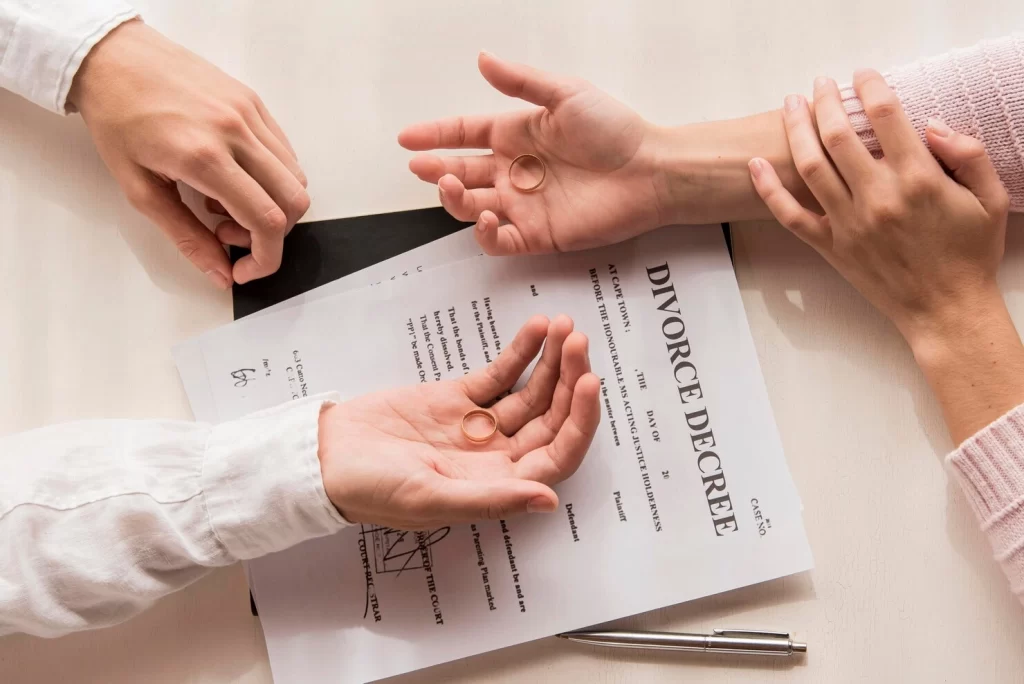
An uncontested divorce generally means both spouses agree on the major terms of ending their marriage. Rather than asking a judge to resolve disputed matters, the spouses reach an agreement and present the required documents to the court.
Depending on the circumstances, an agreement may address:
- Division of marital property and debts
- Child custody and conservatorship
- Parenting schedules
- Child support
- Spousal support
- Responsibility for specific financial obligations
- Other provisions required in the final divorce decree
The important point is that agreement must extend beyond simply deciding to end the marriage. Spouses generally need to resolve the significant legal issues that must be included in their final orders.
An uncontested case can therefore require substantial preparation even when spouses communicate well.
What Happens in a Traditional Contested Divorce?
A traditional contested divorce involves disagreement over one or more significant issues. The disagreement may involve property, children, support, or other terms of the divorce.
When spouses cannot reach an agreement, the court may become more involved in resolving those disputes.
A contested proceeding can involve several stages, including:
- Filing the divorce case
One spouse files the required petition to begin the case. - Response from the other spouse
The responding spouse has an opportunity to answer and assert their own legal positions. - Temporary orders, when necessary
In some cases, spouses need temporary decisions regarding children, support, property use, or other matters while the case is pending. - Information gathering
Each side may need financial records, employment information, property documentation, communications, and other evidence relevant to disputed issues. - Negotiations or settlement discussions
Even contested cases can be resolved through agreement before trial. - Trial, if necessary
If major disagreements remain unresolved, a judge or jury may ultimately decide issues presented for determination.
This is one of the clearest answers to the question of how uncontested divorce differs from a traditional divorce. In an uncontested case, the spouses make the major decisions together. In a contested case, unresolved disputes may require court intervention.

Agreement Is the Biggest Difference
The central distinction is not whether the couple is still communicating. It is whether they have legally meaningful agreement on the terms of the divorce.
For example, two spouses might agree that they want to separate but disagree about who should remain in the marital home. If they also disagree about how other assets should be divided, the case may not qualify as fully uncontested.
Likewise, parents might agree that they want to share parenting responsibilities but disagree about the possession schedule, decision-making authority, or child support.
This means a couple should identify specific areas of agreement rather than assuming that general cooperation automatically makes a divorce uncontested.
Court Involvement Can Look Very Different
Another major distinction involves the role of the court.
In an uncontested proceeding, the judge generally reviews the submitted materials and determines whether the proposed decree satisfies applicable legal requirements. The court still has authority over the divorce, and the process does not become informal simply because spouses agree.
In a contested matter, the court may need to address disputed evidence and legal arguments. Depending on the circumstances, hearings, temporary orders, discovery, negotiations, mediation, and trial preparation may become part of the process.
Texas law also generally requires a 60-day waiting period after a divorce suit is filed before the court may grant the divorce, subject to statutory exceptions.
Therefore, an uncontested divorce may proceed with less conflict, but it is still a formal legal proceeding.
Property Division Requires Careful Attention
Property is one area where assumptions can create serious problems.
Spouses may have a general understanding of who will receive certain assets, but that understanding needs to be properly reflected in the divorce documents. Questions may arise concerning:
- Real estate
- Bank accounts
- Retirement accounts
- Vehicles
- Business interests
- Personal property
- Marital debts
- Separate property claims
A Houston property division lawyer can help identify issues that spouses may overlook when preparing an agreement themselves.
The goal is not simply to reach an agreement. The terms should be clear enough to become part of an enforceable final order and should accurately reflect what the spouses intended.

Want More Information Before Filing?
For couples who want a clearer understanding of the process, we also recommend reading our blog, “Uncontested Divorce in Texas: What Couples Should Know Before Filing.” It provides additional information about the issues spouses should consider before beginning an uncontested case.
Moving Forward With Clear Legal Guidance
What matters most when choosing a divorce process: avoiding disagreement at all costs, or making sure your legal rights and responsibilities are properly addressed?
For many spouses, the better approach is to understand the difference before deciding how to proceed. An agreement that appears straightforward can still have long-term consequences, particularly when property, children, support, or financial obligations are involved.
At Daniel Ogbeide Law, we provide family law representation designed to help clients understand their options and handle divorce proceedings with careful legal guidance. As a Houston divorce law firm, we assist clients with uncontested and contested matters and provide guidance concerning property division, parenting arrangements, support, and related family law issues.
Our broader family law practice also includes representation from divorce lawyers and assistance with matters that may require a family law appeals attorney.
If you and your spouse believe an uncontested divorce may be appropriate, contact Daniel Ogbeide Law to discuss your circumstances and learn what steps may be required to protect your interests and properly document your agreement.