



A call or a knock from Child Protective Services can turn an ordinary day upside down for families in San Antonio. Most parents have never been through anything like it, and the uncertainty alone can feel overwhelming.
Understanding what CPS can and can’t do under Texas law, and what your rights actually are, is the first step toward protecting your family while the investigation runs its course.
How a CPS Investigation Typically Unfolds
Every investigation starts with a report to the Texas Department of Family and Protective Services alleging possible abuse or neglect. A caseworker usually reaches out within a few days, sometimes sooner if the concern is urgent.
- The caseworker may ask to interview you, your child, and other household members.
- A home visit is common, though entry generally still requires your consent unless there’s an emergency.
- Most investigations end in one of a few ways: closure with no findings, a voluntary safety plan or referral to services, or, in more serious cases, a request for court involvement.
Know Your Rights Before You Say Yes to Anything
Cooperating with CPS doesn’t mean giving up your rights.
- You can ask to have a support person or attorney present for interviews.
- You aren’t required to let a caseworker into your home without a court order, except in a genuine emergency.
- You can decline a voluntary safety plan, though it helps to understand the consequences of doing so before you decide.
- You have the right to request a review of the findings once the investigation closes, under Texas Family Code Section 261.309, if the department determines abuse or neglect occurred.
Talking with a San Antonio CPS attorney early, even before an interview takes place, can help you understand which of these rights apply to your situation and how to exercise them without appearing uncooperative. A family law attorney in San Antonio can also flag how anything said during the investigation might surface later in a separate custody matter.

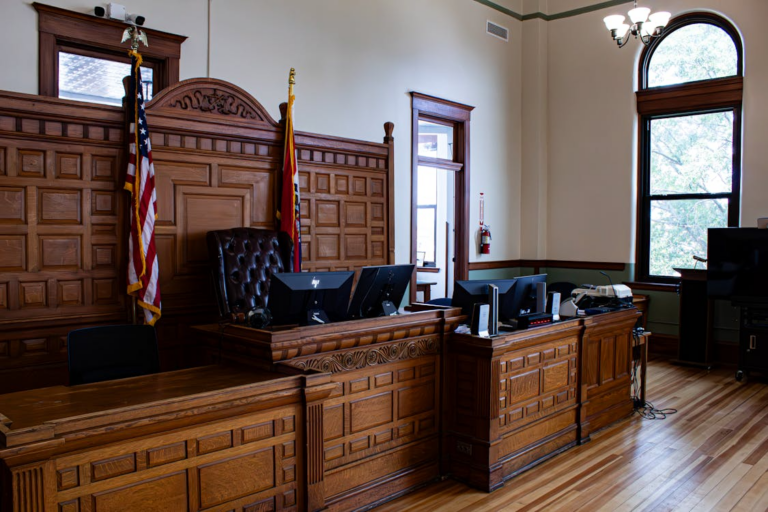
When an investigation uncovers serious, ongoing safety concerns, the consequences can go beyond a caseworker’s visit and into the local family court system. The department can ask a court to name it the child’s temporary managing conservator, which places the case squarely inside the family court system rather than resolving informally.
Because CPS findings can also influence an existing or future custody case, working with a CPS lawyer in San Antonio who understands the connection between CPS investigations and family-law proceedings can be important from the earliest stage.
Key takeaway: the sooner you understand your rights, the more control you keep over how the situation unfolds.
At Daniel Ogbeide Law, we know how frightening it feels to have your parenting questioned. Our team approaches every CPS matter with the same care and urgency we’d want if it were our own family, drawing on real experience in San Antonio’s family courts.
Whether CPS has just opened a case or you’re already facing a court hearing, our team is here to help you understand your options and protect what matters most.
Schedule a Consultation or call our San Antonio office directly at 210-338-6671.