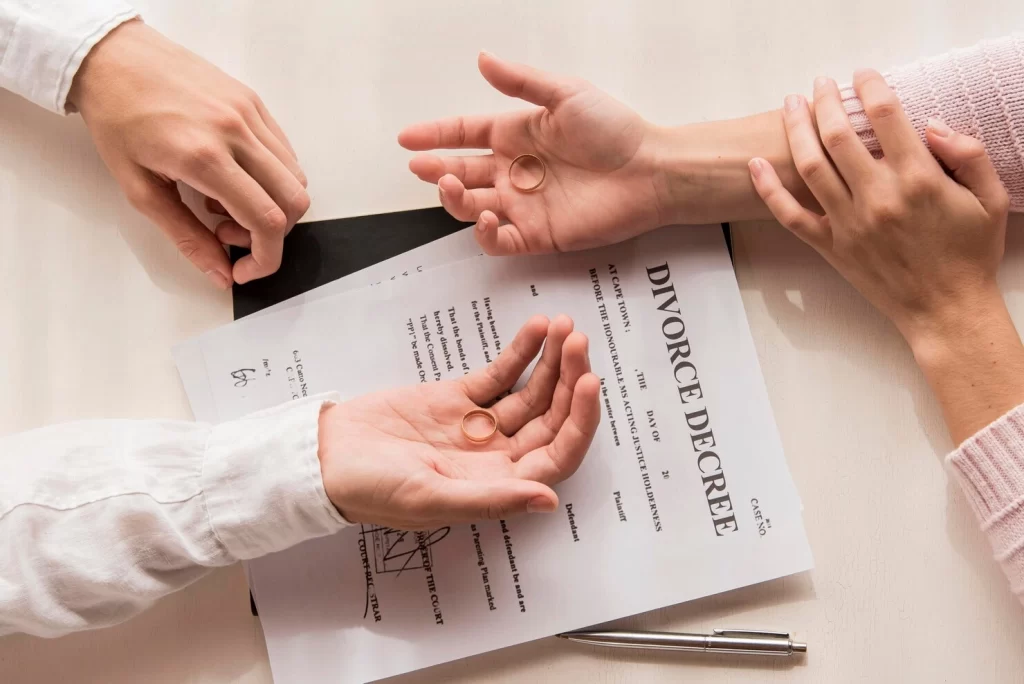



Family law covers a lot of ground. Divorce, custody, support and protective orders can all touch a family at different points in life, sometimes more than once. For Stafford residents facing any of these situations, knowing where to start can make the process feel far less overwhelming.
A family law attorney can help you understand which category your situation falls into and what steps come next. This guide walks through the most common family law matters and explains what working with a family law attorney in Stafford typically looks like, from your first conversation through resolution.
Common Family Law Matters in Stafford
Most family law cases fall into a handful of categories. Understanding where your situation fits helps you know what to expect and how long the process might take.
Divorce, including uncontested and contested cases
Child custody, visitation, and conservatorship
Child support establishment, modification, and enforcement
Protective orders and family violence cases
Prenuptial and postnuptial agreements
A family law attorney who handles a broad range of these matters can usually spot overlapping issues early, such as when a custody dispute also involves a support modification.

When Family Law Matters Overlap
Family law issues rarely exist completely on their own. A divorce may involve questions about child custody, child support, and the division of marital property at the same time. A custody dispute can also lead to a request to modify an existing support order when a child’s living arrangements change.
Protective orders may also become relevant during divorce or custody proceedings when there are allegations of family violence or concerns about a child’s safety. Adoption and termination cases can involve questions about parental rights that require careful attention to the existing legal relationship between the child and the adults involved.
Because one issue can affect another, it helps to look at the family’s circumstances as a whole before deciding how to proceed. A family law attorney in Stafford can help identify related issues early and explain how one legal decision may affect the others.
Divorce: No-Fault and Fault-Based Options
Texas allows couples to divorce without proving either spouse did anything wrong. Under Texas Family Code §6.001, a court may grant a divorce based on insupportability, meaning the marriage has broken down beyond repair.
Fault-based grounds, like cruelty or adultery, are still available and can sometimes affect how property is divided. A divorce attorney can help you decide which approach fits your situation, and whether pursuing fault-based grounds is worth the added time and conflict.

Child Custody and Support
Texas courts refer to custody as conservatorship, and every decision is guided by the best interest of the child. Parents can often reach an agreed parenting plan, which tends to move through the courts faster than a contested case.
Child support in Texas follows statutory guidelines based on income and the number of children involved. The Office of the Attorney General’s Child Support Division oversees the collection and enforcement of most support orders once they’re in place.
Protective Orders, Adoption, and Agreements
Not every family law case involves a divorce. Protective orders exist to keep someone safe from a family member or household member, and Texas courts can issue temporary relief quickly when there’s an immediate concern.
Adoption cases, whether by a stepparent, relative, or unrelated family, involve their own set of legal steps and required consents. Prenuptial and postnuptial agreements, meanwhile, let couples define how property would be handled well before any dispute arises.
What Working With an Attorney Typically Involves
Most family law cases follow a similar path, even though the details vary widely from one family to the next.
Initial consultation to understand your situation and goals
Filing the appropriate petition with the county court
Exchanging information and documentation with the other party
Negotiation or mediation, where many cases are resolved
A final hearing or trial, if the case can’t be settled
For a plain-language look at how a case typically moves through the system, TexasLawHelp.org publishes a step-by-step guide covering filing, deadlines, and who’s involved along the way.
Where Stafford Cases Are Filed
Stafford sits within Fort Bend County, and most family law filings for local residents move through the county court system there. The Fort Bend County District Clerk’s Office handles case filings, records, and scheduling for family court matters.
Knowing the local filing requirements ahead of time helps avoid delays. Daniel Ogbeide has worked with Fort Bend County families across many types of cases and understands how the local courts typically handle them.
Choosing the Right Approach for Your Family
Every family’s situation looks a little different, which is why the right first step is usually a conversation, not a courtroom. Working with an experienced family law attorney in Stafford from the outset helps you understand your options clearly, instead of guessing your way through unfamiliar paperwork and deadlines.
Whether you’re facing a divorce, working through a custody question, or putting together a prenuptial agreement, our top divorce lawyer can help you map out a realistic plan.
Ready to talk through your situation? Contact Daniel Ogbeide Law today to schedule a consultation, or learn more about our divorce and child custody services.