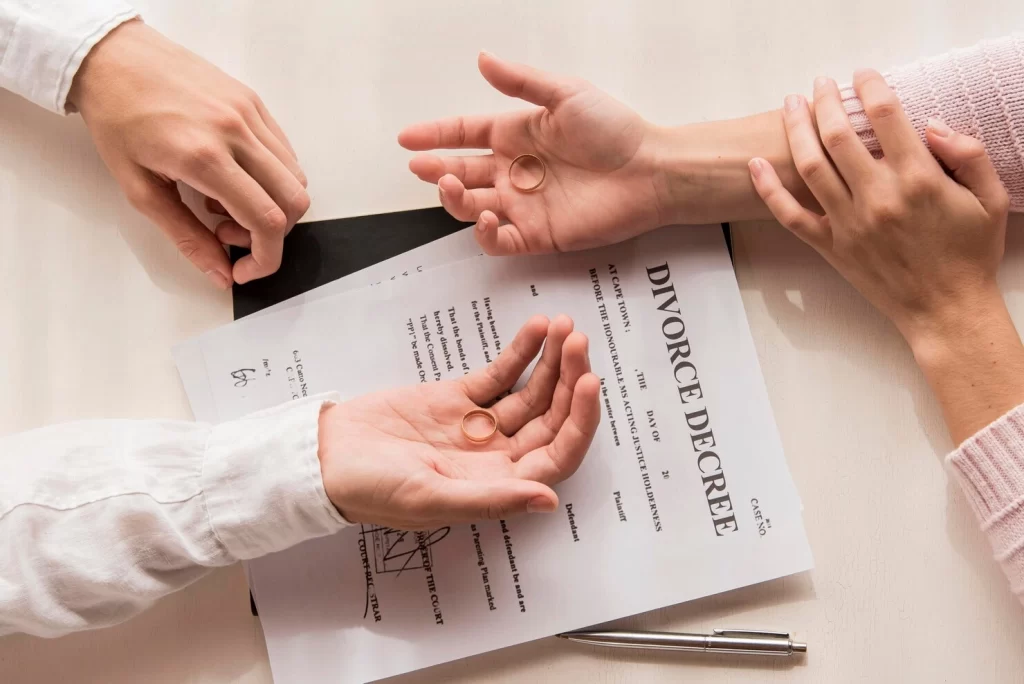



Not every divorce moves through the courts the same way. Some couples reach an agreement quickly, while others find themselves at odds over nearly every major decision. Understanding what makes a divorce contested is often the first step toward knowing what to expect if you or your spouse cannot agree on the terms of ending your marriage.
For couples in the Houston area, this distinction matters because it shapes the timeline, paperwork, and court involvement your family law matter will require. Below is a closer look at how Texas law defines a contested divorce and what the process generally involves from start to finish.
What Makes a Divorce Contested in Texas?
A divorce is considered contested when spouses cannot agree on one or more significant issues and need a judge to help resolve them. This can happen even when a couple agrees on most matters but disagrees on one issue, such as how a retirement account should be divided.
Texas allows couples to file for divorce on no-fault grounds, meaning neither spouse has to prove wrongdoing to end the marriage. Even so, a divorce filed as no-fault can still become contested if the spouses disagree on how to divide property, share parenting time, or handle financial support. In other words, contested status has less to do with why a marriage is ending and more to do with whether both spouses can reach agreement on how it ends.
This differs from an uncontested divorce, where spouses have already worked out the major terms before filing. A case can also shift between the two. Some divorces start uncontested, then become contested once a disagreement surfaces, such as a dispute over a shared business or an inheritance one spouse believes should remain separate property.
Common Issues That Lead to a Contested Divorce
While every case is different, certain disagreements tend to appear most often in contested divorces, including:
- Child custody and parenting time– disagreements over where a child will primarily live, how holidays will be handled, or how major decisions will be made. A child custody lawyer can help explain how Texas courts may consider these issues..
- Property and debt division– disputes over how to divide a home, vehicles, retirement accounts, or shared debts accumulated during the marriage.
- Spousal support– disagreement on whether support should be paid, and if so, how much and for how long
- Valuation disputes– disagreements about what an asset, such as a business, investment account, or piece of real estate, is worth. In high-asset divorce cases, professional appraisals may be needed to determine its value.
A case does not need to involve all of these issues to be contested. Even a single unresolved disagreement, if significant enough, can be sufficient reason for a judge to become involved.

How the Contested Divorce Process Works
While each case follows its own path, most contested divorces in Texas move through a similar sequence of steps:
- Filing the Original Petition.The process begins when one spouse files a petition for divorce with the district clerk, starting the case and the legal timeline.
- The 60-day waiting period.Under Texas Family Code Section 6.702, a court generally cannot finalize a divorce until at least 60 days after the petition is filed, with limited exceptions involving documented family violence.
- Temporary orders.Either spouse can request temporary orders addressing issues like child possession, use of the marital home, or bill payments while the case is pending.
- Both sides exchange financial records, respond to written questions, and gather documentation relevant to the disputed issues.
- Many Texas courts require spouses to attempt mediation before scheduling a trial, giving both sides a structured opportunity to resolve remaining disagreements outside the courtroom.
- Trial, if needed.If mediation does not resolve every issue, the case proceeds to trial, where a judge reviews the evidence and makes the final decisions on any outstanding matters.
Texas law sets a minimum waiting period, but there is no set maximum time for a contested divorce. The timeline depends on how many issues remain unresolved, how cooperative both sides are, and how busy the local court is.

Why Local Court Procedures in Houston Matter
Contested divorces filed in the Houston area typically proceed through Harris County’s family district courts, each with its own docket, scheduling practices, and local rules for hearings and filings. These procedural details can influence how quickly temporary orders are heard or how mediation is scheduled relative to a trial date.
Local practices can vary, so working with a Houston family lawyer familiar with Harris County’s family courts can help you understand what to expect. .Daniel Ogbeide Law is based in Houston and works with clients throughout the surrounding area on exactly these kinds of cases.

Understanding Your Options Before Moving Forward
Not every disagreement means your divorce is destined for a lengthy court battle. Many contested issues are resolved well before trial, particularly when both spouses have accurate information and realistic expectations from the start.
Getting legal guidance early, rather than waiting until a dispute escalates, can give you more room to negotiate before positions become firmly set. Knowing what makes a divorce contested and what steps typically follow, can help you approach the process with more clarity.
Talk to a Houston Family Law Attorney About Your Case
If you’re facing disagreements with your spouse over custody, property, or support, you don’t have to handle them alone. A divorce lawyer in Houston, TX can explain how the contested divorce process applies to your situation and help you understand your options..
At Daniel Ogbeide Law, our team works with clients throughout the Houston area on family law and litigation matters, from initial filing through trial if it becomes necessary. Reach out to our team today to discuss your case and take the next step with clarity and confidence.