


What if there were a way to resolve the hardest financial decisions in a divorce without months of waiting, rising tension, or repeated court appearances? For thousands of separating couples each year, that need for clarity and stability remains unmet. When financial stress combines with emotional strain, even straightforward disagreements can escalate quickly.
That is why many spouses turn to structured property division mediation with legal guidance. At Daniel Ogbeide Law, we assist families who want a practical approach to asset and debt distribution. With support from one of our experienced family law mediation attorneys and a property division lawyer guiding the process, couples can work through difficult issues with far more efficiency than extended litigation. Our service gives spouses control, clarity, and strategic protection of their rights from the very beginning.
This blog explains how property division mediation works, how spouses prepare, what happens in each stage, and how attorney involvement helps maintain fairness.
Understanding the Purpose of Property Division Mediation
Property division mediation is a structured method for helping spouses decide how their assets and financial obligations should be distributed during a divorce. Instead of presenting arguments before a judge, both parties meet with a neutral mediator trained to facilitate productive discussion. Attorneys remain involved to advise, review, and protect each client’s interests.
Mediation is not about “winning.” It is about reaching a workable agreement based on facts, documentation, and equitable principles. Spouses often prefer this process because:
- It gives them more control over the outcome
- It reduces the emotional impact of prolonged disputes
- It supports more respectful communication
- It often resolves matters more efficiently than trial
Step 1: Preparing for the Mediation Session
Preparation sets the tone for the entire process. A property division attorney in Texas typically ensures that clients have the documents and information needed to represent their financial circumstances accurately.
Spouses gather information such as:
- Bank account statements
- Credit card balances
- Mortgage documents
- Property records
- Business financials
- Retirement and investment account details
- Vehicle titles
- Insurance information
- Any existing marital agreements
Attorneys help clients evaluate:
- What assets may be considered marital vs. separate
- How debts should be categorized
- Potential settlement goals
- Any non-negotiables or areas where compromise is possible
By the time the session begins, both spouses should have a clear understanding of their financial picture and what they hope to resolve.
Step 2: The Mediator’s Opening and Ground Rules
The mediator begins by explaining how the process works. They confirm that discussions remain confidential and that the spouses—not the mediator—will make the final decisions. The mediator may outline expectations such as respectful communication, listening without interrupting, and maintaining a focus on solutions.
At this stage, both attorneys may give a brief overview of their client’s perspective. This allows the mediator to understand the core issues and the emotional or financial priorities at play.
Step 3: Identifying the Assets and Debts

A thorough review of marital property forms the foundation of property division mediation. The mediator guides spouses through each category of property one step at a time.
Common assets discussed include:
- Family home
- Investment properties
- Household items
- Vehicles
- Retirement accounts
- Stocks and other investments
- Business interests
- Personal valuables
Debts reviewed include:
- Mortgages
- Car loans
- Personal loans
- Credit card balances
- Tax obligations
The mediator keeps the conversation organized, ensuring that each item is addressed with clarity.
Step 4: Evaluating Property and Considering Fair Distribution
Once everything has been identified, the discussion shifts to valuation. Both parties may bring appraisals or financial reports, and attorneys help evaluate what information is accurate and complete.
Spouses consider:
- Market value of the home
- Depreciation of vehicles
- Value of retirement accounts
- Business valuations
- Tax consequences related to certain assets
- Future financial stability
The mediator encourages fairness without giving legal advice. Attorneys help clients understand how courts might view a particular issue while also helping them weigh the benefits of accepting or adjusting certain proposals.
Step 5: Negotiating Terms and Finding Agreement
This stage is often where progress accelerates. The mediator leads discussions point by point, focusing on problem-solving and compromise. The setting is structured, calm, and solution-oriented, which typically helps spouses exchange proposals more effectively.
Negotiations may occur in:
- Joint sessions, where both parties stay in the same room
- Private caucuses, where the mediator meets with each spouse separately
Attorneys use this stage to advise clients on the implications of each option. The goal is not to pressure either spouse but to help them make informed decisions that align with long-term stability.
Step 6: Drafting the Settlement Agreement
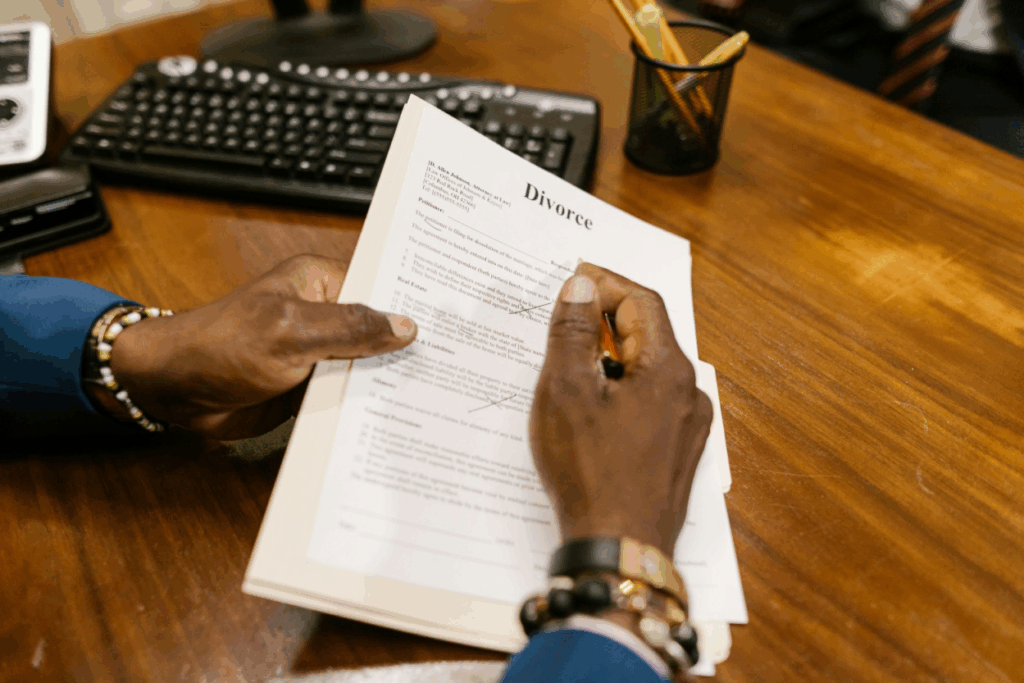
When spouses reach an agreement, the mediator prepares a written summary. Attorneys then review the terms to ensure the language is accurate, fair, and aligned with Texas law. Once both sides approve the draft, it can be finalized and submitted to the court.
This final step turns the discussion into a binding, enforceable outcome.
Step 7: After Mediation—What Comes Next?
Once the settlement is signed:
- The agreement becomes part of the divorce decree
- The court may only need a short hearing to confirm the terms
- Couples avoid lengthy litigation
- Spouses can move forward with a clearer financial plan
This is one of the reasons so many families rely on a property division mediation attorney in Houston when trying to settle property matters efficiently and respectfully.
When a Fair Outcome Matters, Clarity Makes Every Step Easier

What would it feel like to resolve your financial matters with confidence instead of uncertainty? When a divorce involves significant assets or complex financial obligations, property division mediation can offer a constructive path forward. With the right legal guidance, spouses can avoid unnecessary delays and maintain more control over the outcome.
At Daniel Ogbeide Law, we are one of the leading teams assisting families through property-focused mediation with professional support from a seasoned family law mediation attorney. Our property division attorneys help clients understand their options, prepare thoroughly, and protect what matters most. We assist families who want a structured, respectful, and efficient process with less conflict and more clarity.
If you need guidance from a property division attorney in Houston who understands how to support you throughout this process, reach out to Daniel Ogbeide Law today. We can help you approach each stage with informed strategy, clear documentation, and steady support, so you can move forward with more certainty and stability.