
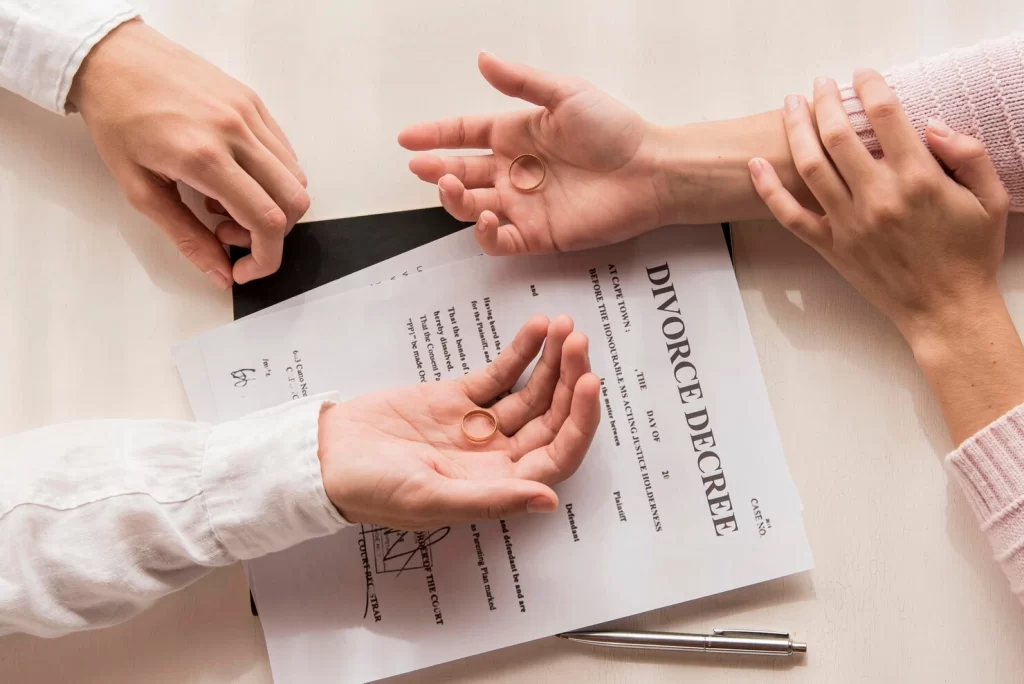



Is it possible to end a marriage without turning a deeply personal decision into a prolonged legal dispute?
For many couples, the answer is yes—but only when the process is handled with clarity and care.
Couples who agree on major issues often seek a path that reduces stress, delays, and uncertainty. An uncontested divorce offers that option, provided the agreement is complete and legally sound.
At Daniel Ogbeide Law, we see how quickly even “simple” divorces can become complicated when paperwork is incomplete or rights are overlooked. As a divorce law firm serving families facing significant life transitions, we provide structured legal guidance in divorce matters so agreements reflect the law and protect long-term interests.
This article explains how uncontested divorce works, what the process involves, and how legal guidance helps ensure nothing important is missed.
What an Uncontested Divorce Really Means
An uncontested divorce occurs when both spouses agree on all material terms of the divorce before filing or early in the process. These terms typically include:
- Division of marital property and debts
- Child custody and visitation, if applicable
- Child support and spousal maintenance, when relevant
Because there is no dispute requiring a judge to decide contested issues, the process is often more efficient. However, “uncontested” does not mean informal or risk-free. Courts still require strict compliance with state law, proper disclosures, and precise documentation.
Without proper legal guidance in divorce, even cooperative spouses may submit agreements that fail to meet legal standards, causing delays or future disputes.
Why Uncontested Divorces Still Require Careful Legal Attention
Many people assume that if both parties agree, attorneys are unnecessary. In practice, this assumption often leads to problems. Divorce orders affect property rights, parental responsibilities, and financial obligations for years to come.
Common issues seen in self-prepared uncontested divorces include:
- Vague language that creates enforcement problems later
- Missing provisions related to retirement accounts or tax matters
- Parenting plans that do not meet statutory requirements
- Failure to address future modifications or contingencies
An uncontested divorce lawyer in Houston helps ensure the agreement reflects current circumstances while complying fully with the law. This is especially important where assets, children, or prior informal marriages are involved.
The Step-by-Step Process of an Uncontested Divorce
While procedures vary by jurisdiction, uncontested divorces generally follow a structured sequence.
1. Confirming Eligibility
Before filing, both spouses must meet residency and waiting period requirements. Certain factors—such as ongoing disputes or lack of required disclosures—may make an uncontested approach unsuitable.
2. Reaching a Full Agreement
All issues must be resolved before final submission. This includes:
- Asset and debt allocation
- Parental responsibilities
- Support obligations, if applicable
Agreements must be clear, balanced, and consistent with statutory standards.
3. Preparing and Filing Documents
This stage involves drafting the petition, settlement agreement, and any supporting affidavits. Accuracy is essential. Even small filing errors can lead to rejection by the court.
4. Court Review and Approval
A judge reviews the documents to confirm fairness and legal compliance. If everything is in order, the divorce can be finalized without a contested hearing.
The Attorney’s Role in an Uncontested Divorce

Legal guidance plays a preventive role. Rather than resolving disputes after they arise, attorneys help avoid problems from the start.
An experienced uncontested divorce lawyer typically assists with:
- Drafting comprehensive settlement agreements
- Ensuring statutory requirements are met
- Identifying issues clients may not anticipate
- Clarifying long-term legal consequences
For couples with significant property or business interests, the role becomes even more important. While a high-asset divorce lawyer often handles complex disputes, high-value estates in uncontested cases still require careful structuring to prevent future claims or tax complications.
When Uncontested Divorce Intersects with Other Legal Situations
Common-Law Marriage Considerations
In some cases, spouses disagree not about divorce terms but about whether a marriage legally exists. A common-law divorce lawyer may be necessary to establish marital status before an uncontested divorce can proceed. Once status is confirmed, the process may still remain cooperative.
Parenting and Long-Term Planning
Even amicable parents must comply with detailed statutory requirements regarding custody and support. Courts focus on children’s best interests, not parental agreement alone.
Property Beyond the Obvious
Assets such as retirement accounts, deferred compensation, and jointly held debts are often overlooked. Legal review ensures all property is properly addressed.
Benefits of Choosing an Uncontested Divorce
When handled properly, uncontested divorces offer meaningful advantages:
- Reduced emotional strain compared to adversarial proceedings
- Greater control over outcomes rather than judicial decisions
- Streamlined timelines due to fewer court appearances
These benefits are realized only when agreements are complete and enforceable. Legal guidance helps preserve these advantages without introducing avoidable risk.
Common Misconceptions About Uncontested Divorce
“We agree on everything, so the court will approve it.”
Courts independently review agreements and may reject them if statutory requirements are unmet.
“Templates are enough.”
Generic forms rarely address individual circumstances and often omit required provisions.
“Uncontested means permanent.”
Poorly drafted agreements can lead to future litigation, defeating the purpose of an uncontested process.
Frequently Asked Questions
- Can an uncontested divorce become contested later?
Yes. If an agreement is unclear or incomplete, disputes may arise during enforcement or modification proceedings. Proper drafting reduces this risk.
- Is an uncontested divorce suitable for couples with substantial assets?
It can be, provided all assets are fully disclosed and properly addressed. Legal review is especially important in these situations.
- Do both spouses need separate attorneys?
Not always, but each spouse should understand their rights fully. One attorney may prepare documents, while the other spouse reviews them independently if desired.

When Peaceful Agreements Deserve Strong Legal Foundations
What if cooperation today could prevent conflict years from now?
An uncontested divorce offers that possibility—but only when the agreement is prepared with foresight and legal care. At Daniel Ogbeide Law, we assist clients seeking structured legal guidance in divorce matters, including uncontested cases, common-law situations, and matters involving substantial marital estates.
If you are considering an uncontested divorce and want confidence that your agreement reflects the law and your future interests, we invite you to contact us. Our team is committed to providing steady, professional guidance that supports clear resolutions and lasting certainty.