
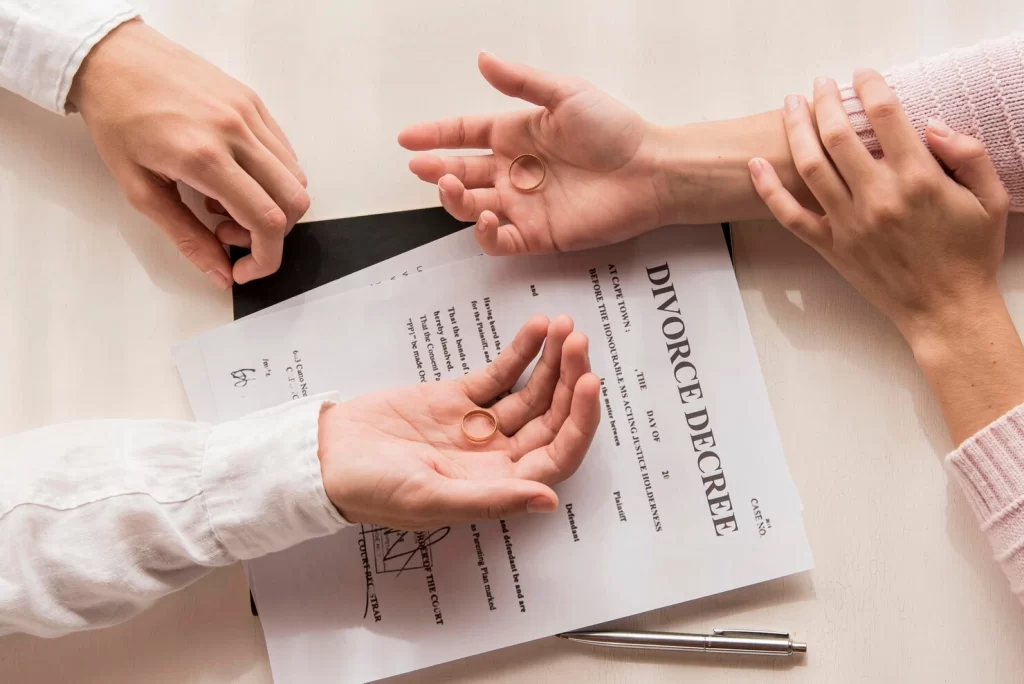



Common law marriage carries legal weight even without a ceremony or license. Many couples are unaware that their relationship may qualify as a marriage under Texas law. Working with a Houston common law marriage lawyer helps individuals confirm marital status, protect property rights, and understand obligations tied to separation. Legal guidance brings clarity to situations involving shared finances, children, and long-term commitments, especially when disagreements arise about whether a marriage legally exists.
What Qualifies as a Common Law Marriage
Texas recognizes informal marriage when specific requirements are met. Couples must agree to be married, live together as spouses, and present themselves publicly as married. Attorneys help clients evaluate evidence such as joint tax filings, shared leases, bank accounts, insurance records, and witness statements. Clear legal review prevents misunderstandings that could affect property division or parental rights later. Establishing status early often reduces future disputes.
Proving a Common Law Marriage in Court
When one party disputes the existence of a marriage, proof becomes essential. Lawyers gather documentation and prepare testimony that demonstrates mutual intent and public representation. This may include photographs, correspondence, or statements from friends, employers, or relatives. Attorneys also address challenges raised by the opposing party and ensure evidence meets court standards.
Legal Rights Connected to Recognition
Once a common law marriage is established, spouses hold the same rights as formally married couples. This includes rights to community property, potential spousal support, and standing in family court matters. Attorneys explain how recognition impacts asset ownership, debt responsibility, and parental decision-making. Legal advice at this stage helps clients make informed choices about finances and family matters while remaining compliant with state law.
Dissolving a Common Law Marriage
Ending a common law marriage requires a formal divorce process. Attorneys assist with filing, timelines, and court procedures identical to traditional divorce cases. Legal counsel helps identify marital property, assess separate assets, and address disputed claims.
Property Division and Financial Matters
Property division can become complex when records are incomplete or ownership is disputed. Lawyers help trace assets, evaluate contributions, and present arguments that support equitable division. Financial matters may include real estate, retirement accounts, business interests, and shared debts. A clear legal structure helps prevent long-term financial consequences and promotes fair outcomes for both parties.

Children, Custody, and Support Considerations
When children are involved, courts focus on stability and well-being. Attorneys help parents address custody schedules, visitation arrangements, and child support calculations tied to dissolution. Legal guidance ensures parenting plans meet court expectations and reduce future conflict. Coordinated representation supports consistency across custody and financial orders, benefiting both parents and children.
Preventing Future Legal Disputes
Early legal guidance can prevent disagreements about marital status years later. Attorneys advise clients on affidavits of informal marriage, separation agreements, and documentation practices that clarify intent. Proactive legal steps protect personal interests and reduce uncertainty if relationships change.
Protect Your Rights
Common law marriage cases require careful legal handling to confirm rights and responsibilities. Support from a common law divorce attorney or broader assistance through a family law and litigation attorney in Houston helps ensure compliance and fair resolution. For individuals seeking clear answers and steady legal support, Daniel Ogbeide Law provides representation focused on protecting rights, resolving disputes, and guiding clients through recognition or dissolution with confidence. Contact us today.