
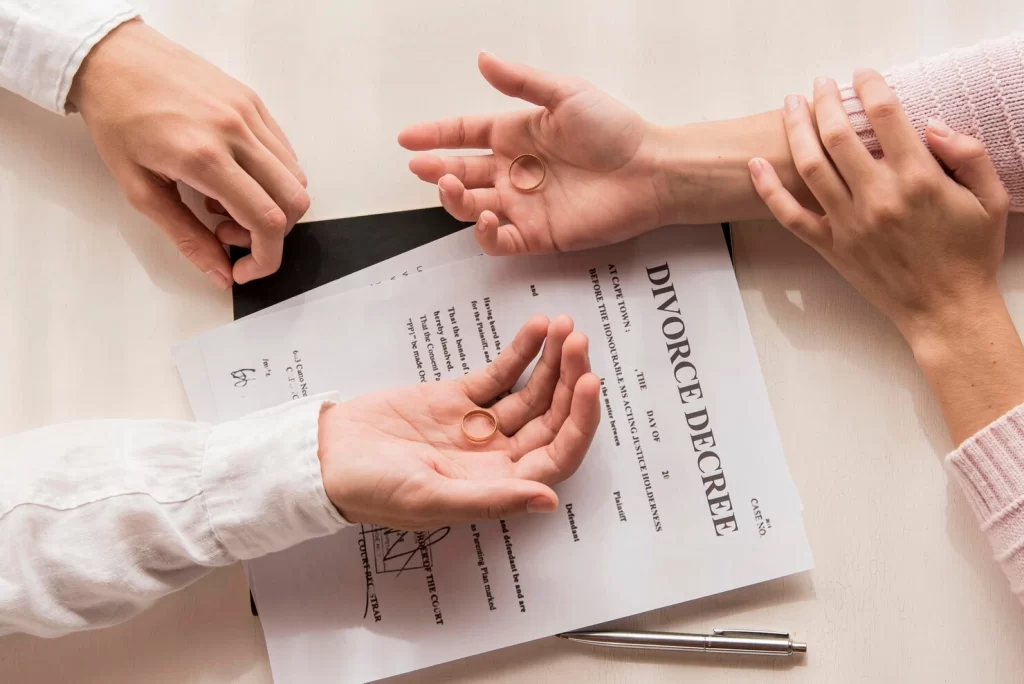



Divorce brings a lot of uncertainty, and one of the biggest fears we hear from clients is this: Will I lose my home? It’s a valid concern. Your home is not just a financial asset. It’s stability, memories, and often your children’s sense of security.
We work with individuals every day who feel overwhelmed by property division. The good news is that Texas law provides a structured way to divide property, and with the right legal approach, your interests can be protected. In this guide, we’ll walk you through how property division actually works and what steps you can take to safeguard what matters most.
What Does Property Division Really Mean in Divorce?
A common question we get is: what exactly is divided during a divorce?
In Texas, property division falls under “community property” rules. This means that most assets acquired during the marriage are considered jointly owned. That includes your home, income, retirement accounts, and even debts.
However, not everything is automatically split 50/50. Courts aim for a “just and right” division. That means fairness, not necessarily equality.
When you work with a property division attorney, we help identify what qualifies as community property versus separate property. Separate property can include assets owned before marriage, inheritances, or gifts specifically given to one spouse.
Understanding this distinction is the first step toward protecting your home and other key assets.
Will You Automatically Lose Your House?
The short answer is no. Losing your home is not automatic.
We often hear this concern from clients who assume that divorce means selling everything and starting over. In reality, there are several possible outcomes when it comes to the family home.
For example, one spouse may keep the home while the other receives compensation through other assets. In some cases, couples agree to sell the home and divide the proceeds. In others, one parent may remain in the home temporarily for the benefit of the children.
When you consult a divorce lawyer, we evaluate your financial situation, your goals, and your family dynamics to determine the best strategy.
What Factors Do Courts Consider?
You might wonder: how does a judge decide who gets what?
Courts look at several factors when dividing property. These include each spouse’s earning capacity, financial needs, and contributions to the marriage. If one spouse sacrificed a career to raise children, that may be taken into account.
Fault in the marriage, such as infidelity or financial misconduct, can also influence the outcome. Additionally, courts consider who will be the primary caregiver for the children, which can affect who remains in the home.
Working with a Baytown family law attorney helps ensure that these factors are presented clearly and effectively in your case.
How Does Child Custody Affect the Home?

For parents, another key question is: what happens to the house if children are involved?
Courts prioritize the best interests of the child. This can sometimes mean allowing the parent with primary custody to remain in the home, at least temporarily, to provide stability.
If you are working with a child custody lawyer families trust, we help align your property strategy with your custody goals. For example, maintaining the home might support your case for primary custody by showing consistency and stability for your children.
We also coordinate with a child visitation attorney clients rely on to ensure that parenting plans and living arrangements work together.
What About Mortgages and Debts?
Another concern we often hear is: what happens to the mortgage?
Even if one spouse keeps the home, the mortgage does not automatically transfer. If both names are on the loan, both parties may remain legally responsible unless the loan is refinanced.
This is why property division is not just about assets. It also includes debts. A property division lawyer works to ensure that financial responsibilities are clearly assigned and manageable.
We help clients understand the long-term impact of keeping or giving up certain assets, so there are no surprises down the road.
Can You Keep Your Home Through Negotiation?
Yes, and in many cases, negotiation is the best path forward.
Not every divorce has to be decided in court. Many couples reach agreements through mediation or collaborative processes. This allows for more flexibility and often less stress.
If both parties agree, one spouse can keep the home in exchange for other assets, such as retirement funds or investments. This is where working with an uncontested divorce lawyer can simplify the process significantly.
We guide our clients through these discussions, making sure agreements are fair and legally sound.
What If Your Situation Changes Later?
Life does not stay the same after divorce. Income changes, jobs shift, and children grow.
If your circumstances change, you may need to revisit certain agreements. For example, if custody arrangements change, it could impact living situations.
In such cases, working with a Baytown child custody modification lawyer ensures that your legal arrangements reflect your current reality.
We also assist with enforcement issues if one party does not follow the agreed terms.
How Do Other Family Law Issues Connect to Property Division?
Property division does not exist in isolation. It is often closely tied to other aspects of family law.
For example, child support obligations can affect your ability to maintain the home. A child support lawyer in Baytown helps ensure that support arrangements are fair and sustainable.
Similarly, spousal support may play a role in balancing financial outcomes. While this blog focuses on property, it’s important to understand how these elements work together.
If you are also dealing with custody matters, a child custody lawyer or child support attorney can help coordinate strategies across different aspects of your case.
Let’s Protect What Matters Most: Speak With Our Team at Daniel Ogbeide Law Today
If you are worried about losing your home or unsure how property division will affect your future, we are here to help. At Daniel Ogbeide Law, we work closely with our clients to understand their priorities and build strategies that protect what matters most.
Whether you need a property division attorney, guidance from a Baytown TX family law firm, or support from a family lawyer, we are committed to providing clear answers and strong representation.
We assist with everything from negotiating settlements to handling complex disputes, always keeping your long-term stability in focus. If your case also involves custody or support, we can connect you with a child custody lawyer or a child support attorney in League City to ensure every aspect is covered.
Let’s take the next step together. Call us at 832-321-7005 to schedule a consultation and find out how we can help you move forward with confidence.