
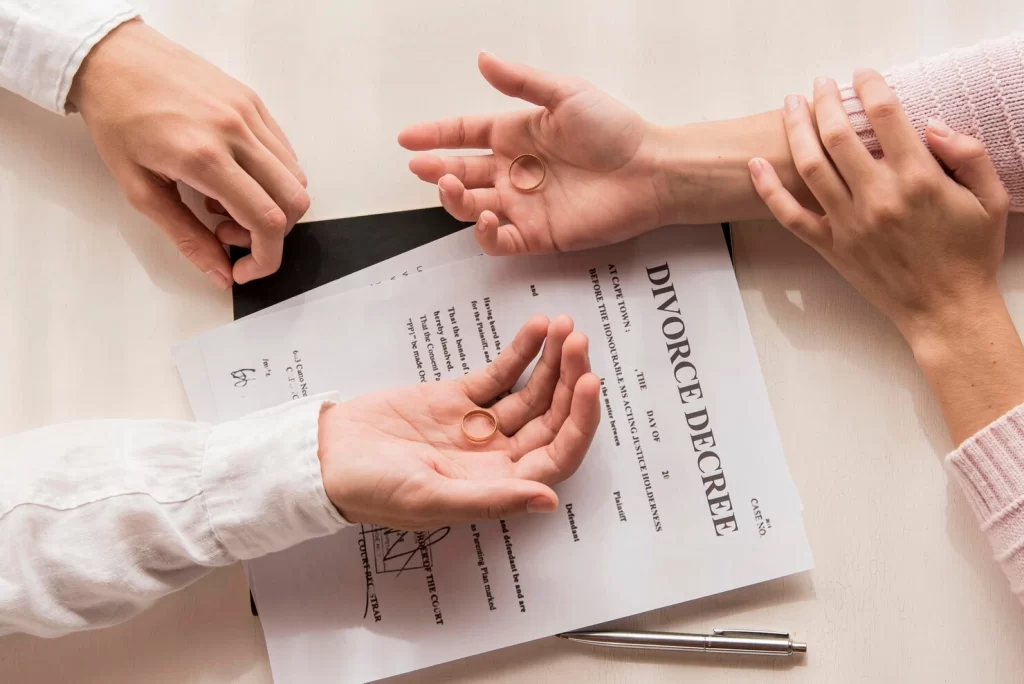



Divorce does not always require prolonged disputes or courtroom battles. In Harris County, many couples choose a cooperative path that prioritizes agreement, efficiency, and legal clarity. When spouses align on major matters, the uncontested process offers a structured way to end a marriage without unnecessary strain. Uncontested divorce lawyers play a central role in this approach by guiding couples through required filings, confirming compliance with Texas law, and safeguarding each party’s interests. For individuals who value privacy, cost control, and predictability, this option often aligns with practical goals while still delivering enforceable legal outcomes.
Understanding Uncontested Divorce in Harris County
An uncontested divorce occurs when both spouses agree on all material terms before filing or shortly after the case begins. In Harris County, this includes decisions related to property division, responsibility for debts, child custody, visitation schedules, and support arrangements when children are involved. The court does not decide these matters because the parties present a complete agreement for approval. The judge’s role focuses on confirming that statutory requirements are met and that the agreement complies with Texas public policy.
This process still follows formal legal steps. Texas requires at least one spouse to meet residency standards, proper service or waiver, and adherence to a mandatory waiting period. Even when agreement exists, paperwork errors or missing disclosures can delay finalization. Legal guidance helps ensure that filings reflect the parties’ intent while remaining legally sound.
Why Cooperation Can Be a Practical Choice
Cooperation reduces emotional strain and financial pressure. When spouses communicate effectively, they avoid repeated hearings, discovery disputes, and trial preparation. This efficiency often results in faster resolution and lower overall expenses. In Harris County’s busy courts, streamlined cases also move more predictably through the docket.
Cooperative divorces can be particularly helpful when parents must continue working together after the marriage ends. Agreements reached collaboratively often feel more workable in daily life. When both parties participate in shaping the outcome, compliance tends to be higher, reducing the likelihood of future enforcement actions.

Legal Requirements Specific to Harris County
Harris County follows Texas Family Code requirements, but local court practices still matter. Proper venue, correct filing locations, and compliance with county procedures are essential. Courts require a complete Final Decree of Divorce that addresses every applicable issue. If children are involved, the decree must include conservatorship terms, possession schedules, and child support provisions that meet statutory guidelines or clearly explain deviations.
Judges review uncontested cases carefully. Even when both parties agree, the court may reject provisions that conflict with Texas law. This is where experienced counsel adds value by drafting language that reflects agreements while satisfying legal standards.
The Role of Uncontested Divorce Lawyers
Legal counsel does more than file forms. Uncontested divorce lawyers review agreements to confirm fairness, clarity, and enforceability. They identify potential issues that may not seem urgent during amicable discussions but could cause problems later. This includes tax considerations, retirement account division, and precise property descriptions.
Lawyers also manage procedural requirements such as service, waivers, and scheduling prove-up hearings. Their involvement helps prevent delays caused by rejected filings or incomplete decrees. For many clients, this professional oversight offers peace of mind during a significant life transition.
Preventing Costly Legal Mistakes Early
Even cooperative divorces can face setbacks when paperwork is incomplete or improperly drafted. Filing errors, missing disclosures, or vague settlement language may lead to rejected decrees or future disputes. Legal counsel reviews every document to ensure accuracy and compliance with Harris County court expectations. This early attention helps prevent delays that could extend the case beyond the required waiting period. By addressing potential issues before filing, couples reduce the likelihood of revisions, additional hearings, or unexpected legal expenses later in the process.
Careful review also helps confirm that agreements reflect each party’s intentions without unintended consequences. Small wording issues can affect enforcement, timing, or financial responsibility long after the divorce is finalized. Attorneys verify that forms are consistent across all filings, reducing contradictions that courts often flag.
Managing Financial Disclosures and Debt Allocation
Clear financial disclosure is a required part of divorce, even when spouses agree on outcomes. Assets, liabilities, income, and expenses must be accurately documented. Attorneys assist with organizing this information so it aligns with Texas Family Code standards. Proper debt allocation is especially important, as creditors are not bound by divorce decrees. Careful drafting clarifies which party is responsible for specific obligations, helping protect credit standing and reduce post-divorce conflict over unpaid balances or shared accounts.

Drafting Enforceable and Clear Settlement Terms
Agreements must be detailed enough to stand up to enforcement if disagreements arise later. Vague language can create confusion regarding timelines, responsibilities, or payment methods. Legal professionals focus on drafting provisions that are specific and enforceable, reducing the risk of misinterpretation. This is particularly important for property transfers, support obligations, and parenting schedules. Well-written terms provide structure and certainty, allowing both parties to rely on the decree without needing further court involvement.
Supporting a Respectful and Efficient Court Process
Uncontested cases still require interaction with the court system, including filing, scheduling, and final approval. Lawyers handle communication with court staff and ensure filings follow local procedural rules. This support minimizes stress for clients who may be unfamiliar with legal processes. By presenting a complete and compliant case to the court, attorneys help keep hearings brief and focused. This efficiency benefits not only the parties but also the court, allowing the divorce to conclude without unnecessary procedural hurdles.
Legal representation also helps anticipate court-specific preferences that may not be obvious to individuals handling filings on their own. Proper formatting, accurate scheduling, and timely submission all contribute to a smoother review by the court.
Property Division Without Litigation
Texas is a community property state, meaning most assets acquired during marriage are subject to division. In uncontested cases, spouses decide how to allocate property rather than leaving the decision to a judge. Clear agreements address real estate, vehicles, bank accounts, investments, and personal property.
Legal guidance ensures that deeds, titles, and account transfers align with the decree. Without proper language, parties may face difficulties enforcing property rights later. Some couples benefit from assistance similar to that offered by a property division lawyer in Harris County, particularly when assets are modest, but clarity is still essential.
Child Custody Agreements That Work
When children are involved, courts prioritize their best interests. Parents in uncontested divorces typically agree on conservatorship and possession schedules that fit their routines. These agreements often provide more flexibility than standard orders while still meeting statutory expectations.
Drafting precise custody terms reduces misunderstandings. Courts expect clarity regarding decision-making authority, holiday schedules, and communication methods. Agreements supported by legal review are more likely to receive prompt approval and function smoothly over time.

Child Support Considerations
Child support remains mandatory in most cases, even when parents agree. Texas guidelines calculate support based on income, but parents may agree to variations if justified. Courts review these arrangements to confirm they serve the child’s interests.
Legal counsel helps ensure accurate income disclosure and compliant calculations. This protects both parents by reducing future disputes or modification requests. Assistance from child support lawyers in Harris County can be valuable even in cooperative situations.
Timing and the Mandatory Waiting Period
Texas imposes a minimum sixty-day waiting period from filing to finalization in most divorces. Uncontested cases typically finalize shortly after this period ends. Proper preparation during the waiting time allows couples to present a complete decree once eligible. During this period, attorneys can review and refine settlement agreements, verify financial disclosures, and ensure that all statutory requirements are fully met. They can also coordinate the scheduling of hearings, confirm that all documentation is properly filed, and address any questions the court may raise in advance.
Delays often occur when paperwork is incomplete or agreements are unclear. Legal oversight keeps the process moving efficiently, helping couples reach closure without unnecessary extensions while providing confidence that the divorce will be finalized accurately and promptly.
Privacy and Reduced Conflict
Uncontested divorces generally involve fewer court appearances and limited public testimony. This preserves privacy and reduces emotional stress. For professionals, parents, and individuals concerned about confidentiality, this approach can feel more manageable. Couples are able to maintain control over the process without exposing personal matters to public scrutiny, which can be particularly important when sensitive financial or family details are involved.
Reduced conflict also benefits children. When parents avoid litigation, they model cooperation and respect, which can ease adjustment after divorce. Children are less likely to experience anxiety or loyalty conflicts when parents present a unified approach. Parents have more flexibility to create parenting schedules and agreements that reflect their unique routines and family dynamics, rather than adhering strictly to court-imposed timelines. This collaborative environment fosters better communication and sets the foundation for a healthier post-divorce family relationship.
When Uncontested Divorce May Not Be Appropriate
Not every situation suits an uncontested approach. If there is a power imbalance, hidden assets, or unresolved disputes, litigation or mediation may be necessary. Legal counsel helps clients assess whether cooperation is realistic and safe. Even when agreement seems possible, legal advice ensures informed decision-making. Clients should understand their rights before finalizing any agreement.
Attorneys can identify potential pitfalls, explain long-term implications, and ensure that each party’s interests are adequately protected.

Comparing Uncontested and Contested Processes
Contested divorces involve formal discovery, hearings, and possibly a trial. These cases often take longer and cost more. Uncontested cases focus on agreement and efficiency. While both paths result in a final decree, the experience differs significantly. Contested proceedings require extensive preparation, including gathering evidence, drafting motions, attending multiple court appearances, and responding to opposing counsel’s filings, which can increase stress and extend timelines.
Couples who qualify for an uncontested divorce often appreciate the predictability, reduced disruption, and lower overall costs. Legal guidance ensures that efficiency does not come at the expense of fairness, offering careful review, compliance with Texas law, and protection against future disputes.
Filing and Prove-Up Hearings
In Harris County, uncontested divorces usually require a brief prove-up hearing. One spouse testifies to confirm residency, agreement terms, and that the marriage has become insupportable. Judges review the decree and may ask clarifying questions.
Preparation is key. Lawyers ensure that testimony aligns with filed documents and statutory requirements. This preparation helps secure prompt approval. Attorneys also guide clients on how to answer questions clearly and confidently, minimizing misunderstandings or omissions that could delay the judge’s decision. They coordinate timing, ensure all supporting documents are ready, and explain the process in advance, so clients feel informed and prepared throughout the hearing.
Post-Divorce Enforcement and Modifications
Clear decrees reduce enforcement issues. When agreements are precise, parties know their obligations. Defined timelines, payment methods, and responsibility allocations limit confusion and reduce conflict. If circumstances change, modifications may be possible, particularly regarding child-related matters such as custody schedules or support adjustments tied to income changes. Courts review modification requests carefully, and prior clarity in the original decree often simplifies that review process.
Legal counsel remains valuable after finalization. Proper drafting at the outset minimizes the need for future legal action by reducing ambiguity. When enforcement becomes necessary, well-structured decrees provide courts with a clear framework for resolution, saving time and expense for both parties.

Cost Efficiency and Predictability
Uncontested divorces generally cost less than contested cases. Flat-fee arrangements are common, offering predictability and transparency. Clients benefit from knowing expenses upfront and avoiding prolonged disputes that can increase legal bills. This structure supports budgeting during a period when financial planning is especially important. Efficiency does not mean shortcuts. Quality legal work ensures that savings do not lead to future complications. Thorough document review and compliant drafting protect clients from enforcement problems that could result in additional legal costs later. Attorneys also help identify potential tax implications, retirement account considerations, and debt responsibilities early on, preventing unforeseen financial consequences. By addressing these issues in advance, clients save time, reduce stress, and maintain confidence that the divorce is finalized properly without hidden costs or legal pitfalls.
Choosing the Right Legal Support
Selecting counsel with experience in cooperative case matters. Familiarity with Harris County courts and procedures supports smoother resolution and timely approval. Attorneys who regularly handle uncontested matters understand local expectations and filing standards.
Clients benefit from attorneys who prioritize clarity, compliance, and respectful communication. This approach helps maintain cooperation while ensuring that legal rights remain protected throughout the process and beyond finalization.
FAQ’s
- How do uncontested divorces differ from contested divorces in Harris County?
Uncontested divorces rely on mutual agreement for property division, custody, and support, while contested cases involve litigation, hearings, and court-decided outcomes. - What role do uncontested divorce lawyers play in ensuring fairness?
They review agreements for legal compliance, protect client rights, and ensure clarity to prevent future disputes or enforcement issues. - Can an uncontested divorce include children?
Yes, agreements can establish custody, visitation schedules, and child support that align with Texas law and the family’s needs. - How long does the process usually take?
Typically, cases finalize shortly after the mandatory 60-day waiting period, assuming filings are complete and compliant. - Are uncontested divorces cost-effective?
Yes, they reduce legal fees, limit court appearances, and avoid prolonged litigation, providing predictable costs and faster resolution.
A Clear Path Forward Starts Here
For many couples, cooperation offers a practical path forward. With clear agreements and proper legal support, an uncontested divorce can provide closure without unnecessary conflict. Those considering this option often seek guidance from uncontested divorce lawyers who understand local courts and statutory requirements. Support from a divorce attorney in Harris County can also help confirm that agreements protect long-term interests, while insight similar to that offered by a family attorney adds reassurance during final review.
For individuals ready to move forward with clarity and efficiency, Daniel Ogbeide Law offers guidance designed to support cooperative resolutions while protecting legal rights. Contact us today.