
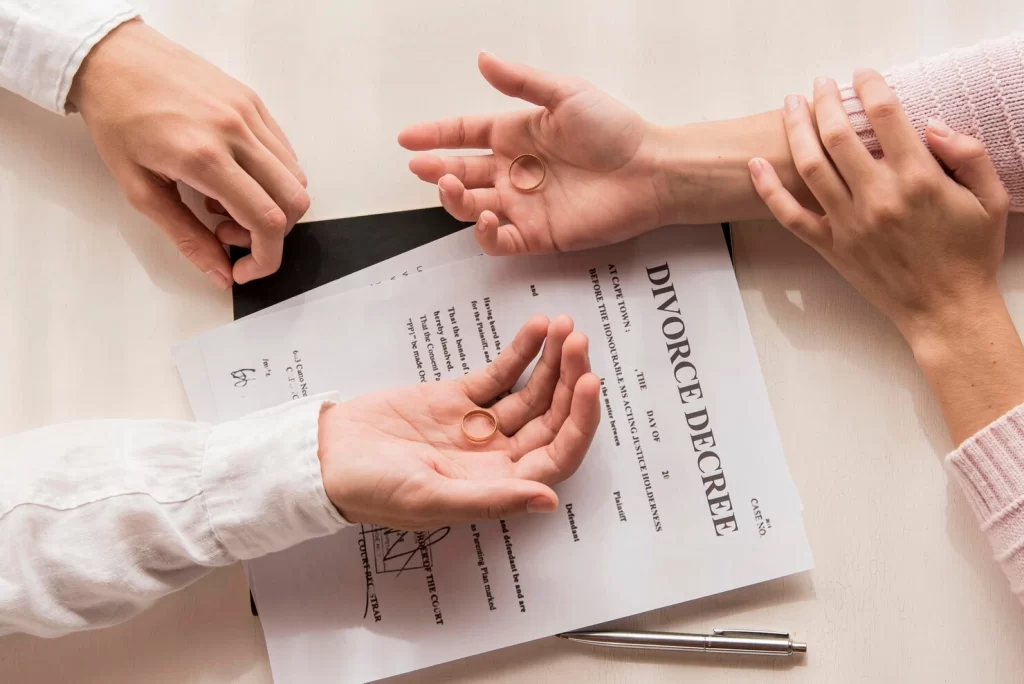


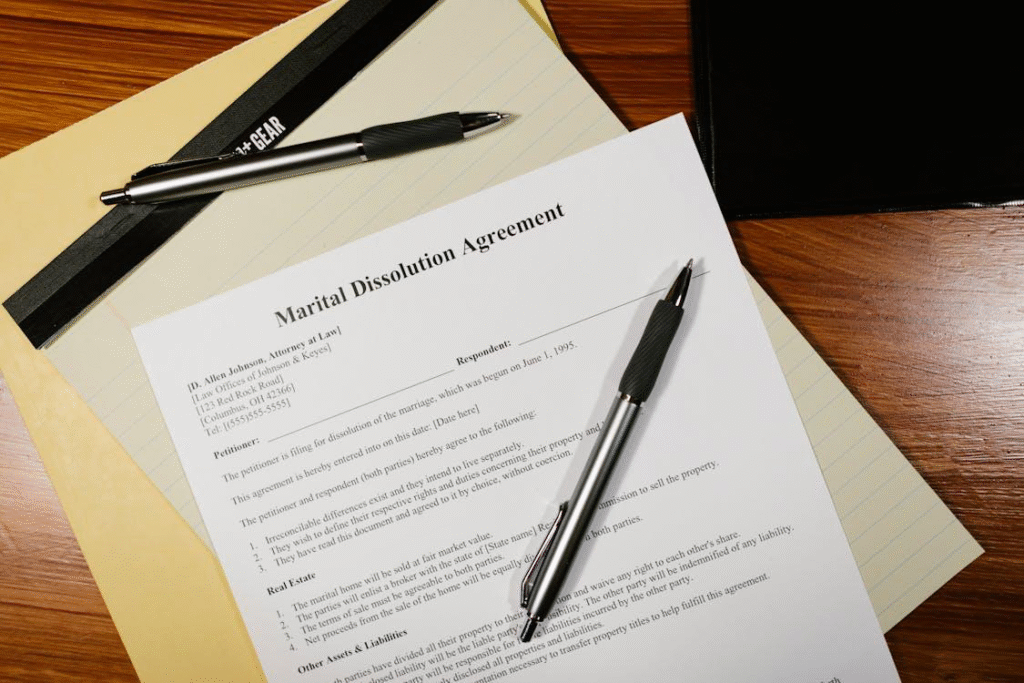
Have you ever wondered if a couple can be considered legally divorced without ever stepping foot in a courtroom? The answer might surprise you. While many associate divorce with formal filings and court appearances, common-law divorce offers an alternative path that is recognized in select states under specific conditions.
Yet, the process is not as simple as just living apart or claiming to be divorced—it involves legal recognition, documentation, and sometimes complex negotiations that are best handled with professional guidance.
At Daniel Ogbeide Law, we understand how confusing the concept of common-law divorce can be. As a leading divorce law firm in Houston, we have years of experience assisting clients in understanding their rights and obligations under Texas law.
Whether you are dealing with a high-asset divorce, seeking an uncontested divorce, or need guidance from a common-law divorce lawyer, our team is here to provide clear, practical, and actionable advice.
In this article, we’ll break down what common-law divorce entails, the legal requirements, and how skilled attorneys assist in ensuring recognition and proper documentation.
What Is Common-Law Divorce?
Common-law divorce, sometimes referred to as divorce by mutual agreement in everyday language, is a legal recognition that a marriage has ended even when formal divorce proceedings have not been filed in court. It is important to note that not all states recognize common-law divorce, and in Texas, the concept primarily relates to “informal divorce agreements” or acknowledgment of separation for legal purposes.
Unlike traditional divorce, which involves court filings, hearings, and a judge’s final decree, common-law divorce may rely on:
- Evidence that both parties mutually agree the marriage has ended
- Living separately for a period of time, often without cohabitation
- Joint conduct that demonstrates the couple considers themselves no longer married
Despite its informal appearance, legal recognition of a common-law divorce often requires documentation, sworn statements, or affidavits. Without proper steps, disputes over property, finances, or child custody can arise later.
Legal Requirements for Recognizing Common-Law Divorce
Successfully establishing a common-law divorce involves meeting specific legal requirements. These vary by state, but in Texas, the following considerations are typically relevant:
- Mutual Agreement– Both spouses must clearly intend to end the marriage. Any dispute can complicate recognition.
- Cohabitation and Separation– Demonstrating that the parties live separately and maintain separate lives is often necessary.
- Public Representation– The couple may need to show that they represent themselves publicly as no longer married. Examples include using separate names, signing documents individually, or other actions signaling separation.
- Documentation– Even in cases of common-law divorce, affidavits, declarations, or other written evidence may be required to solidify recognition by courts or institutions.
Meeting these requirements is not always straightforward. A common-law divorce lawyer can provide guidance on collecting the appropriate evidence and ensuring the process meets legal standards.
How Attorneys Assist with Common-Law Divorce

Working with a legal professional can help avoid misunderstandings and future complications. Experienced attorneys provide support in several ways:
- Assessing Eligibility– Lawyers can review your situation to determine whether common-law divorce is an option under current state laws.
- Drafting Documentation– Attorneys prepare affidavits, separation agreements, and other documents to clearly establish the intent and status of the parties.
- Ensuring Recognition– For matters such as property division, retirement benefits, or legal filings, lawyers can help ensure courts or relevant institutions formally acknowledge the divorce.
- Advising on Related Matters– Even in common-law divorce, issues like child custody, spousal support, and asset distribution may require legal intervention. A skilled attorney helps protect your rights and advocate for fair outcomes.
Engaging a lawyer early in the process can prevent disputes later and provide peace of mind, especially in cases involving property or financial considerations.
Contested vs. Uncontested Common-Law Divorce
Even when a couple agrees their marriage has ended, complications can arise. Attorneys differentiate between contested and uncontested cases:
- Uncontested Divorce– Both parties agree on separation and terms of property division, custody, or support. Uncontested divorce lawyers in Houston, TX, often guide clients through paperwork and formal recognition without court hearings.
- Contested Divorce– Disagreements regarding finances, property, or children may require legal intervention. The best contested divorce attorneys in Houston provide strategic representation to advocate for clients’ rights and ensure equitable resolutions.
Choosing the right approach depends on the unique circumstances of each case. Common-law divorce lawyers can advise on whether pursuing formal court recognition is advisable, even in uncontested cases, to prevent future disputes.
Special Considerations: High-Asset and Complex Divorces
When significant assets, business interests, or real estate are involved, even a common-law divorce can become legally complex. In such situations, working with a high-asset divorce lawyer in Houston is often necessary to:
- Determine equitable property division under informal separation arrangements
- Identify financial entitlements or claims
- Prepare formal agreements that satisfy legal standards
Without proper legal guidance, informal divorces involving substantial assets may lead to prolonged disputes or financial losses. Attorneys help ensure that agreements are enforceable and reflect the parties’ intentions.

Frequently Asked Questions
Here are five frequently asked questions about common-law divorce and our answers based on experience:
Can I be considered divorced without filing in court?
Yes, in states recognizing common-law divorce, mutual agreement and evidence of separation can suffice, but formal documentation is recommended for legal clarity.
Do we need a lawyer for a common-law divorce?
While not legally required in all cases, consulting a common-law divorce lawyer ensures that documents, property division, and legal recognition are properly handled.
How does property division work in common-law divorce?
Assets may need to be documented and agreed upon in writing. A lawyer helps ensure equitable division even without formal court filings.
Securing Legal Support for Common-Law Divorce
Are you certain your separation is legally recognized? Many couples assume living apart is enough, only to encounter complications later. Engaging with a knowledgeable attorney ensures your intentions are formally documented and enforceable.
At Daniel Ogbeide Law, we provide comprehensive support for those navigating common-law divorce, contested or uncontested separations, and high-asset cases. Our team of experienced divorce attorneys offers:
- Guidance from some of the best contested divorce attorneys in Houston
- Representation for clients needing uncontested divorce lawyers in Houston, TX
- Assistance with high-asset and complex divorce matters
- Expertise in ensuring recognition of common-law divorce and related documentation
We work closely with clients to protect their rights, clarify legal standing, and minimize potential disputes. By consulting with us early, you can secure peace of mind knowing your separation or divorce is properly recognized under the law.
Taking the first step toward clarity in your common-law divorce can prevent legal headaches and safeguard your interests. Contact Daniel Ogbeide Law today to speak with a dedicated common-law divorce lawyer in Houston who can assess your situation, advise on documentation, and ensure that your rights are fully protected.