
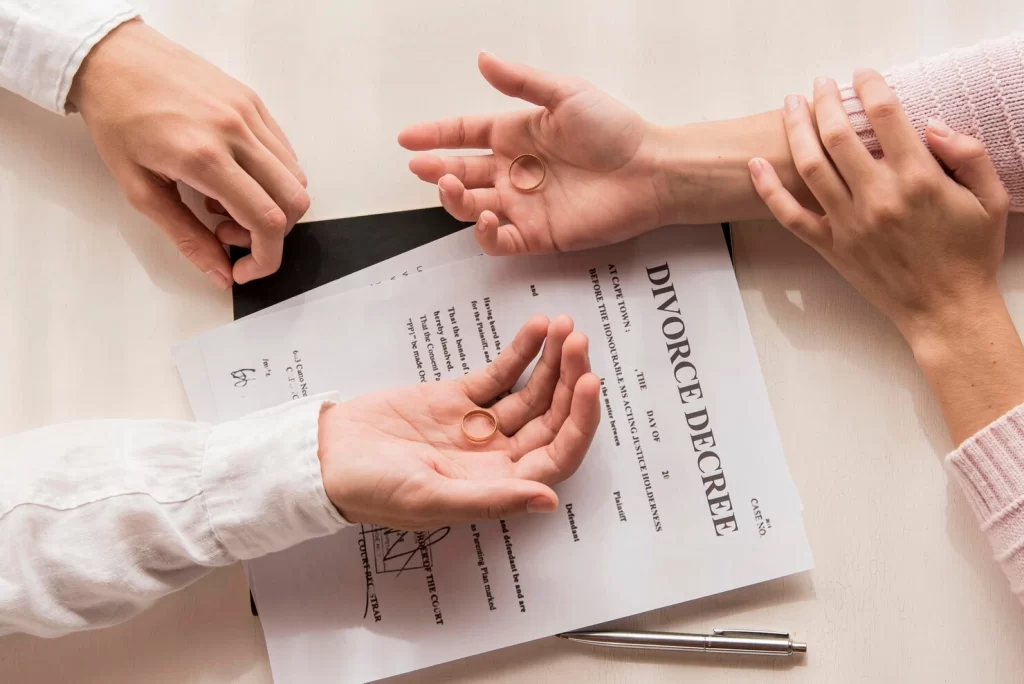



If you are in Friendswood and thinking about divorce, one of the first questions worth answering is whether your case is likely to be contested or uncontested, since the answer shapes almost everything that follows: cost, timeline, and how much of the process is in your control. An uncontested divorce in Friendswood can move quickly and with far less conflict, but it only works when both spouses are genuinely on the same page. This guide compares the two paths so you can go in with realistic expectations.
What Makes a Divorce Contested or Uncontested?
A divorce is uncontested when both spouses agree on every issue the court has to decide, including property, debt, and, if you have children, custody and support, and are willing to sign the same final decree. Texas Law Help’s guide on filing a divorce without children explains that a divorce can also be finished by default if your spouse never responds after being properly served, which is treated the same as an agreement for scheduling purposes.
A divorce becomes contested the moment even one issue is unresolved. When children are involved, disagreements often center on custody or support, which is where a child custody attorney in Friendswood typically gets involved.
According to Texas Law Help’s FAQ on filing for divorce with children, if your spouse files an answer and will not sign the final decree, the case is contested and must go to a final hearing with at least 45 days’ notice to your spouse.

Timeline: How Long Each Path Takes
Every Texas divorce, contested or not, is subject to a mandatory waiting period. Texas Law Help’s guide for couples filing without minor children notes that in almost all cases, you must wait at least 60 days after filing before the court can finalize the divorce, regardless of how amicable things are.
For an uncontested case, that 60-day window is often close to the entire timeline. Once it passes, the case can be finalized at a brief prove-up hearing, and the Texas State Law Library’s guide to finalizing a divorce describes this as a short hearing where you give testimony confirming the terms of your divorce.
A contested case takes considerably longer, since it involves the same 60-day minimum plus the time needed for negotiation, discovery, possible mediation, and, if nothing resolves, a trial. While a contested case is pending, either spouse can ask for temporary orders to set ground rules, such as who stays in the home and how bills get paid, until the divorce is final.
What Drives the Cost Difference
An uncontested divorce is generally less expensive because there is little or nothing to litigate. Filing fees, a small amount of attorney time to review the paperwork, and the prove-up hearing are often the bulk of the cost.
A contested divorce adds attorney time for negotiation and court appearances, and it can grow further if the case involves discovery, expert valuations, or a trial. Working with a divorce lawyer in Friendswood early can help you understand roughly where your case is likely to fall before costs add up.
Disputes over property division and spousal support are common reasons a case becomes contested and more expensive to resolve. Getting guidance from an attorney who regularly handles both can help you weigh whether a particular disagreement is worth contesting or worth compromising on to keep costs and stress down.

When Mediation Can Help
Many couples who start out disagreeing on one or two issues still avoid a full trial through mediation. Texas Law Help’s overview of divorce and mediation explains that either spouse can request mediation, or a judge can order it, and that a signed mediated settlement agreement is binding on both parties.
Mediation gives you and your spouse more control over the outcome than a trial would, since a neutral mediator helps you reach terms you both agree to rather than leaving the decision to a judge.
Even a case that starts out contested can often settle at or before mediation, which can turn what looked like a long, costly process into something closer to an uncontested resolution.
Is an Uncontested Divorce Right for You?
An uncontested divorce in Friendswood tends to work best when you and your spouse can talk through property, debt, and, if relevant, parenting arrangements without a lot of conflict. It does not mean the marriage ended painlessly, only that by the time you are ready to file, you are both able to agree on the terms. A best family lawyer in Friendswood, TX can review your situation honestly and tell you if your case looks genuinely uncontested or if there are issues likely to need more negotiation than you expect.
If your case does turn out to be contested, a full-service Friendswood family law firm can handle everything from temporary orders early in the case through trial, so you are not left figuring out deadlines and procedure on your own while also managing everything else a divorce brings up.

Figuring Out Which Path Fits Your Situation
If you are trying to decide between a contested and uncontested divorce, we at Daniel Ogbeide Law help couples pursue an uncontested divorce in Friendswood whenever it’s the right fit, and guide you through the contested process when it isn’t. Our team handles contested and uncontested divorce cases, guiding you through each step with clear communication and a strategy built around your family’s needs. Reach out to us now to get started.