
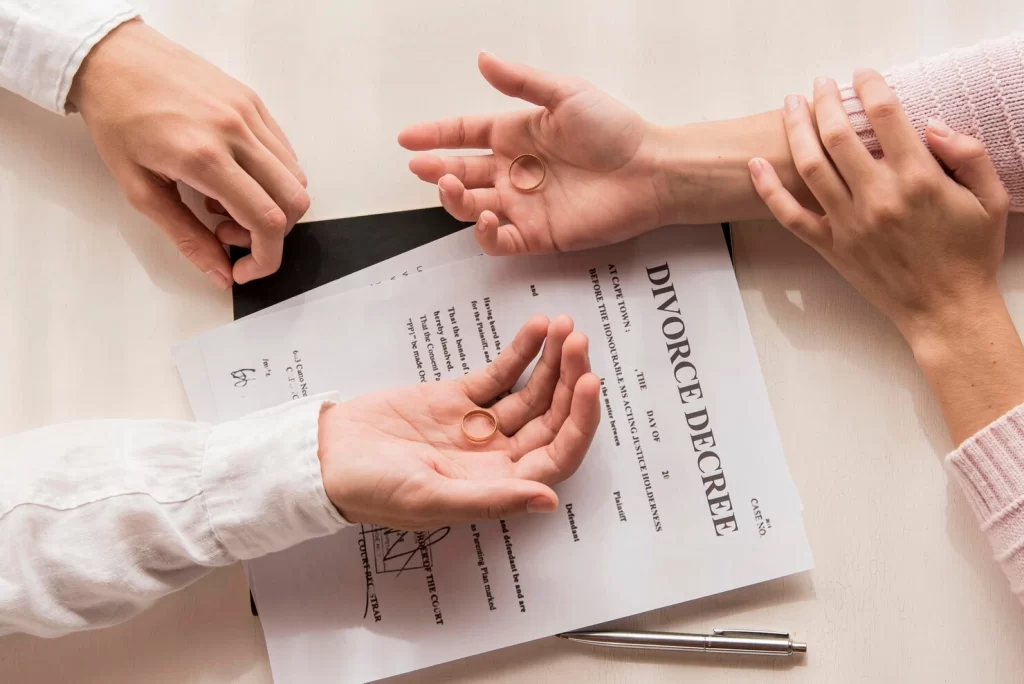


What happens when the end of a marriage involves not just heartbreak, but fear and harm? In the United States, domestic violence affects nearly 1 in 4 women and 1 in 9 men. Beyond the physical and emotional trauma, survivors often face significant financial challenges—especially when the abusive partner controlled finances or limited the victim’s ability to work.
For many survivors, spousal support (commonly called alimony) can provide a financial lifeline during and after divorce. But when domestic violence is part of the equation, it can dramatically influence how courts assess those payments.
At Daniel Ogbeide Law, we understand how deeply domestic violence and spousal support cases are intertwined. Our attorneys have seen how evidence of abuse can change outcomes, and how survivors need both protection and financial stability to rebuild. As a domestic violence lawyer in Houston, our goal is to help clients pursue justice, safety, and the financial resources they need to move forward.
In this article, we’ll discuss how domestic violence affects spousal support decisions, what evidence matters most, and what protections are available to survivors under Texas law.
Understanding the Connection Between Domestic Violence and Spousal Support
Courts consider many factors when deciding whether to award spousal support—such as income levels, length of marriage, and each spouse’s ability to provide for themselves. But when domestic violence is present, the picture changes significantly.
Texas Family Code §8.051 specifically allows spousal maintenance if the requesting spouse “lacks sufficient property” to meet their needs and was married to a spouse who committed family violence during the marriage. This means that evidence of abuse is not only relevant—it can be the deciding factor in determining eligibility for support.
Key points to understand:
- Family violence is a legal factor in awarding support in Texas.
- The abusive spouse may be ordered to pay maintenance even if the marriage was relatively short.
- Courts may consider the impact of trauma on the survivor’s ability to work or earn income.
This ensures that victims are not penalized for leaving an abusive situation and can maintain stability as they rebuild their lives.
How Courts Evaluate Abuse in Spousal Support Cases
While every case is different, courts rely heavily on evidence to determine whether domestic violence occurred and how it should affect financial orders.
1. Police Reports and Protective Orders
Official documentation of violence, such as arrest records or restraining orders, carry significant weight. These demonstrate not just that abuse occurred but also that the survivor sought help through legal channels.
2. Medical and Counseling Records
Medical documentation of injuries or therapy records describing abuse-related trauma can strengthen a survivor’s claim. Courts recognize that the effects of abuse are both physical and psychological.
3. Witness Testimony
Statements from family members, friends, neighbors, or coworkers who witnessed the abuse or its aftermath can support a survivor’s credibility.
4. Financial Control Evidence
In some cases, abuse is financial—one partner may have restricted access to accounts, controlled spending, or sabotaged employment. Courts often consider this economic coercion when determining whether the survivor needs ongoing support.
The Role of Abuse in Determining the Amount and Duration of Support

Domestic violence not only affects whether support is granted but can also influence how much and how long the payments last.
Here’s how abuse can alter those outcomes:
- Severity and Duration of Abuse:Long-term or severe violence may result in higher or longer-term support.
- Impact on Employability:If the survivor cannot work or lost employment due to trauma or control, courts may grant extended support.
- Contribution to Marital Breakdown:Courts may consider whether abuse directly led to the end of the marriage.
- Children’s Wellbeing:If children were exposed to the abuse, judges may factor in the additional emotional and financial strain on the survivor parent.
Texas courts aim to create fair outcomes that recognize the lasting impact of abuse, ensuring survivors aren’t left vulnerable after leaving a harmful environment.
Legal Protections Available to Survivors
In addition to spousal support, Texas law provides several protections designed to help victims of domestic violence secure safety and independence:
- Protective Orders:These legally prohibit the abuser from contacting or approaching the survivor.
- Temporary Spousal Support:Courts can grant immediate financial relief while a divorce or custody case is pending.
- Confidentiality Protections:Survivors can request that their address or contact details be kept private to prevent retaliation.
- Victim Assistance Programs:Texas offers counseling, housing, and financial support programs for those leaving abusive relationships.
These protections can serve as a foundation for rebuilding life after abuse, helping survivors regain control over their circumstances.
Why Evidence Matters So Much
It’s important to remember that allegations alone may not be enough to influence support decisions. The court system relies on tangible proof, and documentation can make all the difference.
Survivors are encouraged to:
- Keep detailed records of all incidents of abuse (dates, times, descriptions).
- Save digital evidence, such as threatening texts or emails.
- Report incidents to authorities when safe to do so.
- Seek medical attention after violent incidents and maintain records.
These steps not only strengthen a survivor’s position in court but can also help ensure long-term safety. Working with a domestic violence attorney in Houston can make this process less overwhelming and ensure that every relevant piece of evidence is presented effectively.
Rebuilding After Abuse: The Importance of Legal Support

What does recovery truly look like after years of fear and control? For many, it begins with a sense of safety—and a fair spousal support order can play a major role in that process.
At Daniel Ogbeide Law, we believe no survivor should have to face an abuser alone in court. As one of the leading domestic violence and spousal support law firms in Houston, we focus on giving clients both legal protection and peace of mind. Our team helps survivors document abuse, present evidence effectively, and pursue fair financial outcomes under Texas law.
If you or someone you know is facing domestic violence or needs help with a spousal support case, reach out to us today. Our domestic violence lawyers in Houston are here to stand by your side, protect your rights, and help you rebuild your future safely and confidently.