
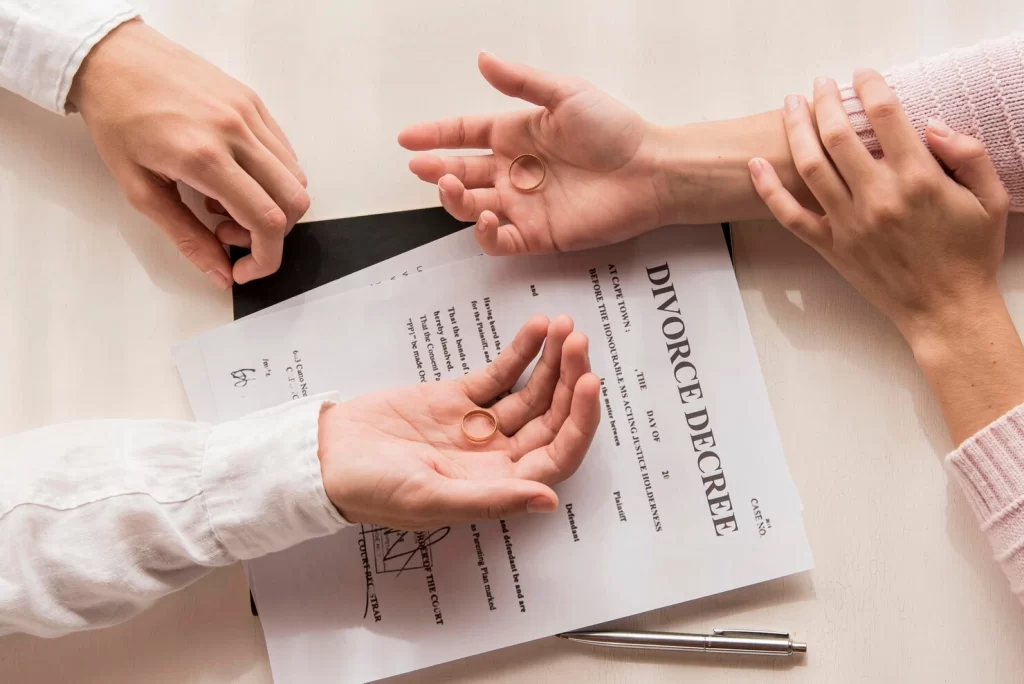



Dividing property during divorce can feel overwhelming. In Pearland, property division is shaped by Texas divorce rules, but every couple’s situation is different. Homes, retirement accounts, debts, vehicles, business interests, and personal belongings need review. Since these decisions can affect life after divorce, property division is one of the most important family law matters spouses should understand before reaching an agreement or going to court.
This blog explains how courts evaluate marital property, distinguish separate and community assets, and approach fair division during Pearland divorce cases.
Understanding Community Property in Texas
Under Texas community property principles, most assets and debts acquired during marriage are generally considered jointly owned by both spouses. This can include income, real estate purchased during marriage, savings accounts, investment growth, household furnishings, and certain business interests.
Community property does not always mean everything is split exactly in half. Instead, courts look at what is “just and right” based on the facts. A skilled family law attorney can help identify what belongs in the community estate and what may require detailed valuation.
What Counts as Separate Property?
Separate property usually includes assets owned before marriage, gifts received by one spouse, inheritances, and certain personal injury recoveries unrelated to lost wages. However, proving separate property is not always simple. If separate funds were mixed with marital funds, tracing may be needed to show where the asset came from.
For example, if one spouse used inherited money toward a marital home, documentation can become important. These issues often make property division more complex, especially when records are incomplete or accounts have been combined.
Why Accurate Valuation Matters
Before property can be divided fairly, it must be valued properly. This involves reviewing bank statements, retirement balances, mortgage records, tax returns, business documents, appraisals, and loan information. Some assets, such as vehicles or household items, may be easier to value.
Others, like a family business, professional practice, investment portfolio, or real estate, may require expert input. In family law matters, valuation mistakes can lead to unfair settlements, especially when one spouse has more control over financial records.
The Role of Debt in Property Division

Property division is not only about who gets what. It is also about who becomes responsible for debts. Credit cards, mortgages, car loans, medical bills, tax obligations, and business debts may be considered.
Even if a divorce decree assigns debt to one spouse, creditors may still pursue both spouses if both names remain on the account. Debt division should be handled carefully. Clear planning can reduce confusion and protect each spouse’s financial position after divorce.
How Courts Approach Fairness
A court may consider several factors when deciding what is fair. These can include each spouse’s earning ability, education, health, age, child-related responsibilities, separate property, financial misconduct, and future needs. If one spouse sacrificed career growth to care for children or support the household, that may also matter.
The goal is not automatic equality, but a division that fits the circumstances. This is where experienced legal guidance can make a real difference in presenting financial facts clearly.
Property Division in an Uncontested Divorce
An uncontested divorce in Pearland, TX, may be possible when spouses agree on property, debts, custody, support, and other required terms. This option can reduce conflict, but still requires attention. A simple agreement may cause problems later if it fails to address retirement accounts, tax exposure, refinancing, title transfers, or hidden debts.
Even when both spouses are cooperative, having a divorce lawyer in Pearland review the agreement can help ensure the terms are complete, enforceable, and aligned with long-term interests.
Prenuptial Agreements and Property Protection
A prenuptial agreement can clarify property rights before marriage and help reduce disputes if divorce occurs later. These agreements may address separate property, business ownership, debt responsibility, inheritance concerns, and financial expectations.
A prenuptial agreement lawyer in Pearland can help draft terms that are clear and tailored to the couple’s goals. Prenuptial agreements are not only for high-asset couples. They can be useful for anyone entering marriage with property, children from a prior relationship, business interests, or family assets.
Common Property Division Challenges
Disagreements often arise when one spouse believes the other is hiding assets, undervaluing property, overspending before divorce, or claiming separate property without proof. Retirement accounts may also require special orders for division.
Real estate can become complicated if one spouse wants to keep the home but cannot refinance. Business ownership may create questions about value, income, and future control. These challenges show why organized legal support matters.
Trusted Guidance for Pearland Property Division

Property division can shape your financial future long after divorce is final, so informed decisions matter. Daniel Ogbeide Law supports clients through complex family law matters with steady guidance, careful preparation, and a clear understanding of Texas divorce concerns.
Whether you need a prenuptial agreement lawyer in Pearland, a family law attorney, a child custody attorney, or a child visitation attorney, the firm provides thoughtful legal support tailored to your situation. From property questions to parenting concerns, Daniel Ogbeide Law helps Pearland families move forward with confidence, clarity, and dependable advocacy.
Schedule a consultation today to discuss your legal steps.