
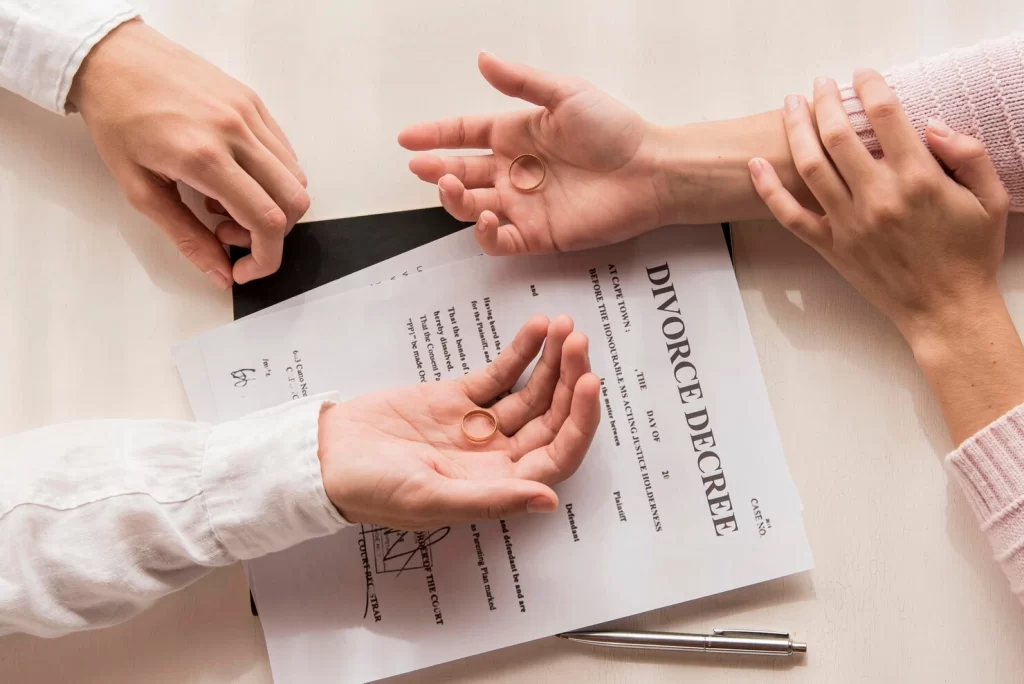


When a marriage reaches the point of separation, many people worry about what comes next. Will every disagreement turn into a courtroom battle? Will child custody become a constant source of conflict? Will property division create long-term tension between both parties? These concerns are common, especially because divorce often involves emotional stress, financial pressure, and uncertainty about the future.
Court schedules, formal hearings, and contested disputes may increase frustration between spouses instead of helping them move toward resolution. That is one reason mediation has become an important part of many family law cases.
Mediation gives both parties an opportunity to discuss disputes in a structured setting with the help of a neutral third party. Instead of leaving every decision to a judge, mediation allows spouses to participate in shaping agreements involving parenting plans, property division, support matters, and other issues connected to divorce.
At Daniel Ogbeide Law, we understand how stressful divorce proceedings can become when communication breaks down. Whether someone is working with a divorce attorney in Houston for a contested matter or seeking guidance from an uncontested divorce lawyer in Houston, preparing properly for mediation can make a significant difference in the overall process.
In this blog, we will discuss how divorce mediation works, what parties should expect, common mistakes to avoid, and practical steps for preparing for mediation effectively.
What Is Divorce Mediation?
Divorce mediation is a process where spouses meet with a neutral mediator to discuss unresolved issues and attempt to reach agreements outside of court.
The mediator does not act as a judge and does not decide who wins or loses. Instead, the mediator helps guide discussions, encourages communication, and works to keep negotiations productive.
Mediation may address issues such as:
- Child custody
- Parenting schedules
- Child support
- Spousal support
- Division of property
- Debt allocation
- Business ownership concerns
- Retirement accounts
- Communication between parents
In many divorce cases, courts encourage or require mediation before trial. This is especially common when disputes involve children.
For parties working with contested divorce lawyers in Houston, TX, mediation often becomes a major stage in the legal process because it may reduce the number of issues that ultimately require court intervention.
Why Courts Often Encourage Mediation
Family courts generally prefer solutions that reduce conflict between parties whenever possible. Trials can take significant time, increase emotional pressure, and create additional strain on families.
Mediation may offer several benefits:
Greater Control Over Decisions
When cases proceed to trial, the judge makes final decisions. During mediation, spouses participate directly in shaping the outcome.
More Privacy
Court proceedings are generally part of the public record. Mediation discussions are usually confidential.
Better Communication
Mediation can help reduce hostility by creating a structured environment for discussion.
Reduced Delays
Court calendars may become crowded, especially in contested divorce matters. Mediation may help parties resolve issues more efficiently.
Focus on Children
Mediation often encourages parents to work toward practical parenting arrangements that support stability for children.
Even when disagreements remain strong, mediation can still help narrow disputes before trial.
Understanding the Role of the Mediator

One of the most important parts of preparing for mediation is understanding what the mediator actually does.
A mediator is not:
- A judge
- A therapist
- A legal representative for either spouse
- A decision-maker
Instead, the mediator helps guide negotiations between parties.
The mediator may:
- Encourage productive discussion
- Clarify misunderstandings
- Keep conversations focused
- Help parties identify areas of compromise
- Discuss possible settlement options
The mediator must remain neutral throughout the process.
This is why parties should continue working closely with their divorce lawyer in Houston, TX before and during mediation.
When Mediation May Be Most Effective
Mediation can work in many different types of divorce cases, including:
- High-conflict divorces
- Parenting disputes
- Property division disagreements
- Cases involving business assets
- Post-divorce modifications
- Uncontested divorce matters needing final clarification
However, mediation generally works best when both parties are willing to participate in good faith.
That does not mean both spouses must agree on everything. In fact, many people enter mediation with serious disagreements. The key factor is whether both parties are willing to communicate and consider possible solutions.
Preparing Emotionally Before Mediation
One of the most overlooked aspects of preparing for mediation involves emotional preparation.
Divorce discussions can quickly become personal and emotionally charged. Old arguments may resurface. Frustration may build when discussing finances or parenting issues.
Preparing emotionally may help parties stay focused during negotiations.
Separate Emotion From Strategy
It is natural to feel anger, sadness, or frustration during divorce proceedings. However, mediation works more effectively when parties focus on practical solutions instead of emotional reactions.
Before mediation, it may help to ask:
- What outcomes matter most?
- Which issues require compromise?
- Which disagreements are less significant long term?
Avoid Treating Mediation Like a Battle
Mediation is not designed to produce a winner and a loser. Parties who approach mediation with a combative mindset may create unnecessary obstacles.
The purpose is to work toward agreements that both sides can accept.
Prepare for Difficult Conversations
Some discussions may become uncomfortable, especially when children, finances, or past behavior become topics of discussion.
Remaining calm and professional can help keep negotiations productive.
Organizing Financial Documents Before Mediation
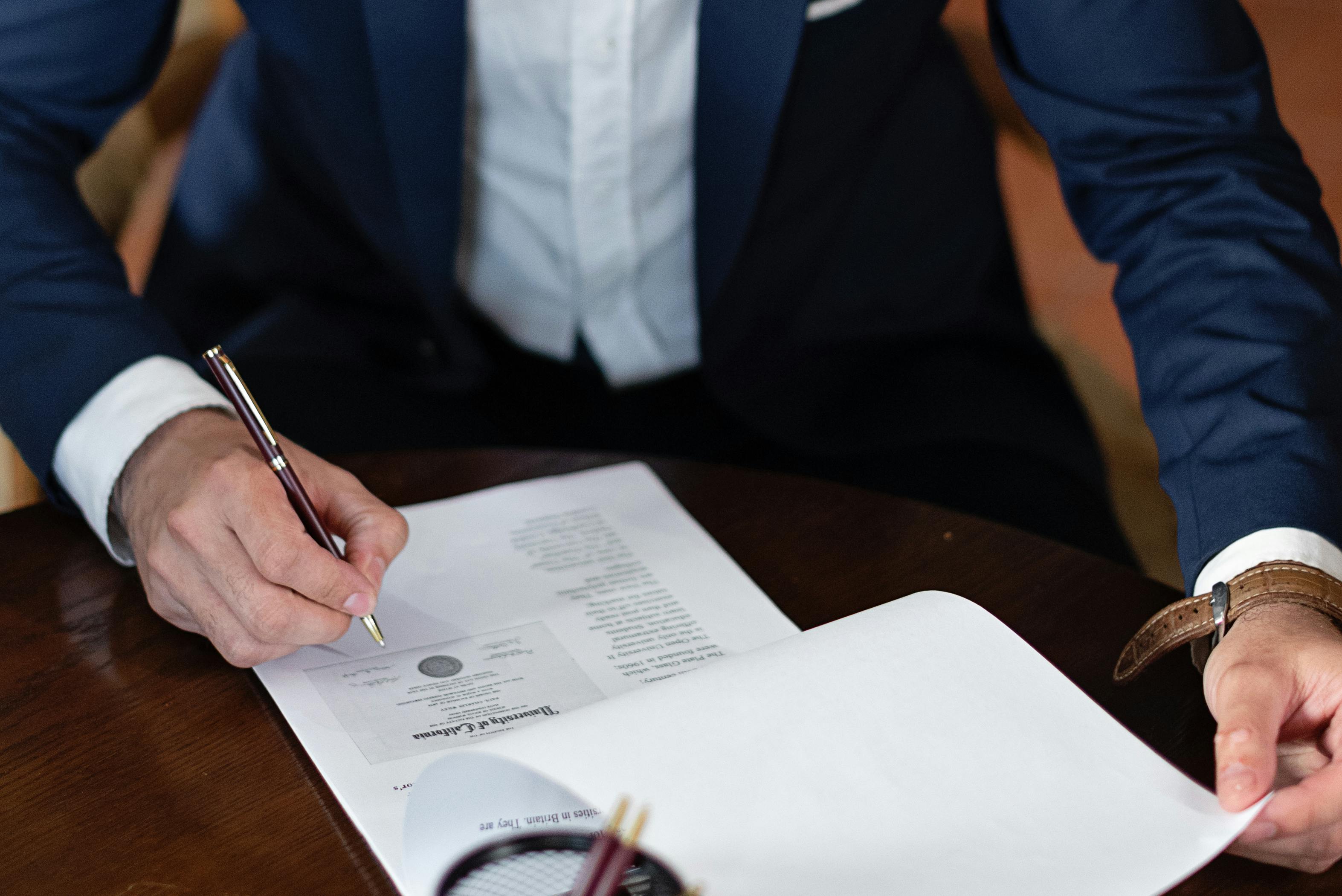
Preparation is one of the most important parts of successful mediation.
Financial documentation often becomes a major focus during divorce proceedings. Missing information can slow negotiations and create unnecessary disputes.
Important documents may include:
Income Records
- Pay stubs
- Tax returns
- W-2 forms
- 1099 forms
- Business income records
- Bank Information
- Checking account statements
- Savings account statements
- Joint account records
Property Records
- Mortgage documents
- Real estate valuations
- Vehicle titles
- Investment account statements
Debt Information
- Credit card balances
- Loan records
- Medical debt
- Personal loans
Retirement Accounts
- Pension records
- IRA statements
- 401(k) information
Having organized records available may help mediation proceed more efficiently.
Many divorce lawyers in Houston encourage clients to prepare these materials well before mediation begins.
Preparing for Child Custody Discussions
Child custody discussions are often the most emotionally difficult part of mediation.
Parents may disagree about:
- Parenting schedules
- School decisions
- Medical decisions
- Holiday arrangements
- Communication methods
- Transportation responsibilities
Preparing in advance may help parents focus on practical solutions.
Think About the Child’s Routine
Judges and mediators often look for arrangements that support consistency and stability.
Parents should consider:
- School schedules
- Extracurricular activities
- Medical needs
- Transportation logistics
- Work schedules
Focus on Long-Term Co-Parenting
Mediation is not only about resolving immediate disputes. Parenting arrangements may affect communication for years.
Productive co-parenting discussions often involve:
- Clear communication expectations
- Practical scheduling
- Conflict resolution methods
- Shared decision-making procedures
Avoid Using Children as Leverage
Children should never become bargaining tools during mediation.
Courts generally focus on the best interests of the child, and mediation discussions should reflect that same priority.
Setting Realistic Expectations
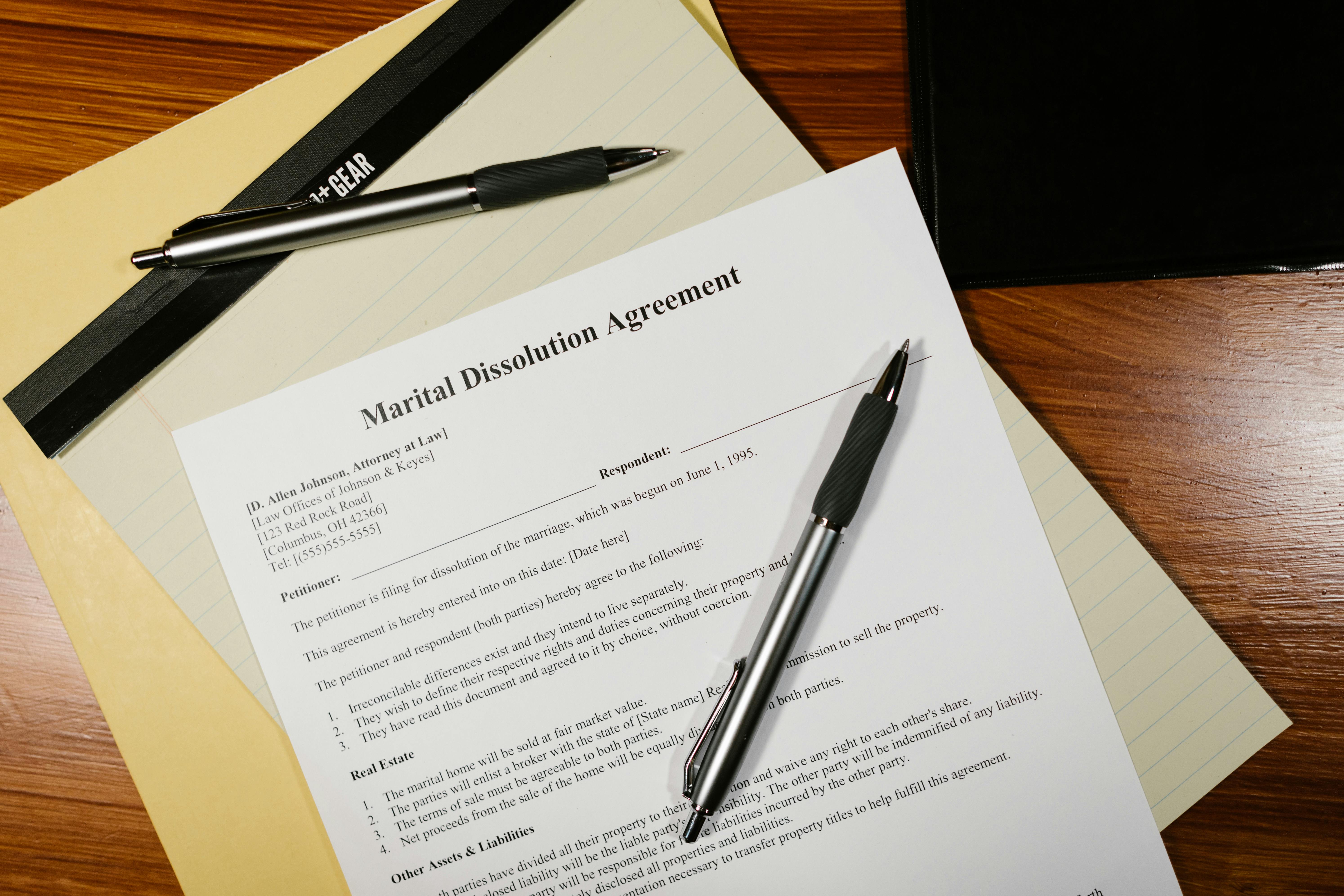
Another major part of preparing for mediation involves understanding that compromise is often necessary.
Parties who enter mediation expecting complete victory may become frustrated.
Mediation works best when both sides understand:
- Not every demand will be accepted
- Compromise is part of negotiation
- Some issues may remain unresolved
- Progress may happen gradually
Realistic expectations can help parties remain flexible during discussions.
The Importance of Legal Guidance Before Mediation
Although mediators remain neutral, each spouse should still understand their legal rights and responsibilities.
Working with a divorce attorney in Houston before mediation may help parties:
- Understand possible legal outcomes
- Review settlement proposals
- Prepare negotiation strategies
- Identify unreasonable demands
- Protect parental rights
- Evaluate property division issues
This becomes especially important in contested divorce cases involving substantial assets or major parenting disputes.
Parties working with one of the best contested divorce attorneys in Houston often spend significant time reviewing mediation goals before the actual session begins.
Common Mistakes People Make During Mediation
Even well-prepared individuals can make mistakes during mediation. Recognizing common problems may help parties avoid unnecessary setbacks.
Arriving Unprepared
Lack of preparation may slow negotiations and weaken discussions.
Parties should gather:
- Financial documents
- Parenting proposals
- Questions
- Settlement priorities
Letting Emotions Control Decisions
- Emotional reactions can interfere with productive negotiations.
- It is important to remain focused on long-term goals rather than temporary frustration.
Refusing Any Compromise
Mediation requires flexibility. Refusing to consider any compromise may prevent progress.
Focusing Only on “Winning”
- Divorce mediation is not designed to create total victory for one side.
- The goal is to reach workable agreements that reduce future conflict.
Ignoring Legal Advice
Parties should carefully review agreements with legal counsel before signing final documents.
How to Communicate Effectively During Mediation
Communication style can significantly affect mediation outcomes.
Listen Carefully
Listening may help parties understand underlying concerns rather than reacting immediately.
Stay Respectful
Even when disagreements become intense, respectful communication helps maintain productive discussions.
Avoid Interruptions
Frequent interruptions often increase tension and reduce progress.
Focus on Solutions
Productive mediation discussions focus on possible resolutions rather than repeating past arguments.
Be Honest
Providing incomplete or misleading financial information may damage negotiations and create legal complications later.
Preparing a Mediation Strategy

Strategic preparation often helps parties approach mediation more effectively.
Identify Top Priorities
Before mediation begins, parties should determine which issues matter most.
Examples may include:
- Custody arrangements
- Keeping the family home
- Retirement account division
- Business interests
- Parenting schedules
Identify Areas for Flexibility
Understanding where compromise may be possible can help negotiations move forward.
Consider Multiple Outcomes
Parties should prepare for different scenarios rather than assuming only one possible result.
Discuss Goals With Legal Counsel
Many contested divorce lawyers help clients develop negotiation strategies before mediation sessions.
What Happens During a Typical Mediation Session?
Although every case differs, many mediation sessions follow a similar structure.
Opening Statements
The mediator explains the process and establishes ground rules.
Discussion of Issues
The parties discuss disputed matters, including custody, finances, or property division.
Private Meetings
The mediator may meet privately with each party to discuss concerns or settlement possibilities.
Negotiation
The mediator works to help parties move toward agreements.
Settlement Drafting
- If agreements are reached, the terms may be written into a formal document for review.
- Some mediations conclude in a single session, while others require additional meetings.
What If Mediation Does Not Resolve Everything?
Not all mediation sessions end with full agreement.
However, partial agreements may still provide major benefits.
For example, parties may resolve:
- Custody schedules
- Property division
- Child support
while continuing to litigate remaining disputes.
Even limited progress may reduce court time and narrow the issues requiring trial.
Virtual Mediation and Remote Participation
Many divorce mediations now occur through virtual platforms.
Virtual mediation may offer benefits such as:
- Reduced scheduling difficulties
- Greater convenience
- Less direct confrontation
- Easier participation for out-of-town parties
However, preparation remains just as important in virtual sessions.
Participants should:
- Test technology beforehand
- Prepare documents digitally
- Find a quiet environment
- Avoid distractions
The Role of Good Faith Participation
Courts generally expect parties to participate in mediation honestly and respectfully.
Bad faith participation may include:
- Hiding financial information
- Refusing reasonable discussion
- Intentionally delaying negotiations
- Using mediation solely to intimidate the other party
Good faith participation often improves the likelihood of productive discussions.
How Mediation Can Affect Children Long Term
Children are often deeply affected by parental conflict during divorce.
Research consistently suggests that ongoing parental hostility may create emotional stress for children long after divorce proceedings end.
Mediation may help reduce long-term conflict by encouraging cooperative communication between parents.
Children often benefit when parents:
- Maintain consistent schedules
- Communicate respectfully
- Reduce conflict exposure
- Support healthy relationships with both parents when appropriate
This is one reason courts frequently encourage mediation in custody-related disputes.
Preparing Questions Before Mediation
Many people enter mediation unsure about what to ask.
Preparing questions in advance may improve clarity during negotiations.
Helpful questions may include:
- What parenting schedule is most practical?
- How will holidays be divided?
- How will future disagreements be handled?
- What happens if one parent relocates?
- How will shared expenses be managed?
- What assets require valuation?
Clear questions may help parties focus discussions more effectively.
Could the Right Preparation Change the Direction of Your Divorce Case?

Many divorce cases become more stressful because parties enter mediation without fully understanding the process or without preparing adequately for discussions involving children, finances, and long-term responsibilities.
Effective preparation may help reduce confusion, improve communication, and create opportunities for meaningful progress during negotiations. Whether a case involves relatively cooperative discussions or significant conflict, mediation often plays an important role in determining how disputes are resolved.
At Daniel Ogbeide Law, we work closely with individuals and families facing difficult divorce matters involving custody disputes, contested proceedings, property division, and mediation preparation. Whether someone is seeking guidance from a divorce lawyer in Houston, TX, looking for support from contested divorce lawyers, our team understands the challenges that families face during these proceedings.
We focus on helping clients prepare thoroughly, protect their rights, and approach mediation with a clear understanding of the legal process. Speaking with a divorce attorney in Houston before mediation may help parties enter negotiations with stronger preparation and greater confidence regarding the decisions ahead.