
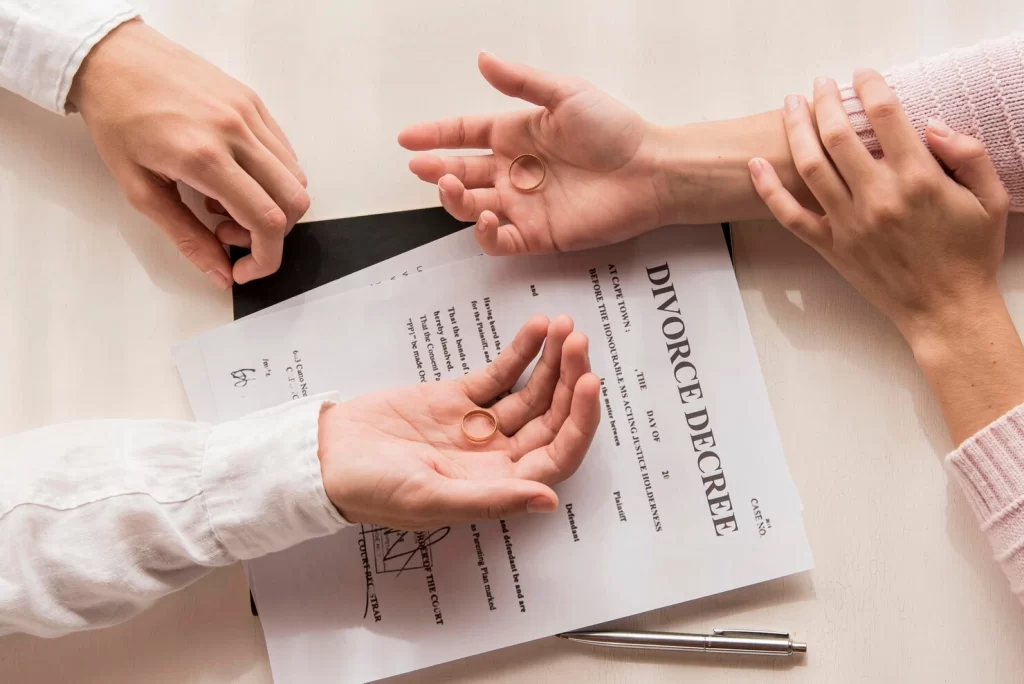



Common law marriage in Texas is widely misunderstood, yet it carries the exact same legal weight as a ceremonial marriage once recognized by the court. At Daniel Ogbeide Law, we know how crucial it is for separating couples to understand whether their relationship meets Texas’ legal requirements. Recognition affects property division, custody, support, and the entire divorce process—making clarity essential from the start.
How Texas Defines Common Law Marriage
Texas refers to common law marriage as an “informal marriage,” and it is legally valid if three elements are met. Under Texas Family Code §2.401, a couple must:
- Agree to be married,
- Live together in Texas as spouses, and
- Represent to others that they are married.
Time spent living together does not create a marriage on its own. The court looks for evidence of mutual intent. This is especially important in cases represented by a common law divorce lawyer in Houston, where one partner may dispute the marriage entirely.
How Courts Decide Whether a Marriage Exists
Because informal marriages lack a marriage certificate, courts rely on proof of shared life. Judges look closely at:
- Joint bank accounts
- Leases, mortgages, or major purchases signed together
- Insurance policies listing a partner as “spouse”
- Tax returns filed as married
- Testimony from friends, family, and coworkers
Even small behaviors—such as referring to each other as husband and wife—can demonstrate “holding out” as a married couple. These details often become central in cases involving a Houston divorce law firm when the court must settle property division or custody issues.
Rights Partners Have in a Common Law Marriage
Once the court recognizes the marriage, all standard marital rights apply. This includes:
- Community property division
- Child custody and visitation arrangements
- Child support orders
- Eligibility for spousal support (when applicable)
Because Texas is a community property state, anything earned or acquired during the marriage is subject to division. When disagreements arise involving assets or parental rights, clients may need help from a Houston property division lawyer or a Houston child custody modification attorney depending on the issue.
What Happens When a Common Law Marriage Ends
Ending an informal marriage requires a formal divorce. Couples cannot simply walk away and consider themselves separated. Without a legal divorce, disputes involving property, children, or support remain unresolved—and can lead to serious financial or parental consequences later.
If the marriage itself is contested, the first step of the divorce may involve proving the marriage existed. This is where representation from a skilled contested divorce attorney in Houston becomes vital.

Why Legal Counsel Is Essential in These Cases
Common law marriage cases often involve conflicting stories, lack of documentation, and disagreements over assets or children. Having experienced legal representation helps ensure your rights are protected, evidence is properly presented, and disputes are resolved effectively. At Daniel Ogbeide Law, we guide clients through every step—from establishing (or disproving) a common law marriage to navigating custody, visitation, and property division.
Call Daniel Ogbeide Law Today
At Daniel Ogbeide Law, we provide trusted, bold divorce attorneys & family lawyers ready to help you with divorce, custody, and support matters. Visit our website to learn more or explore areas we serve. When you’re ready, call now for guidance from a team that puts your family first.