
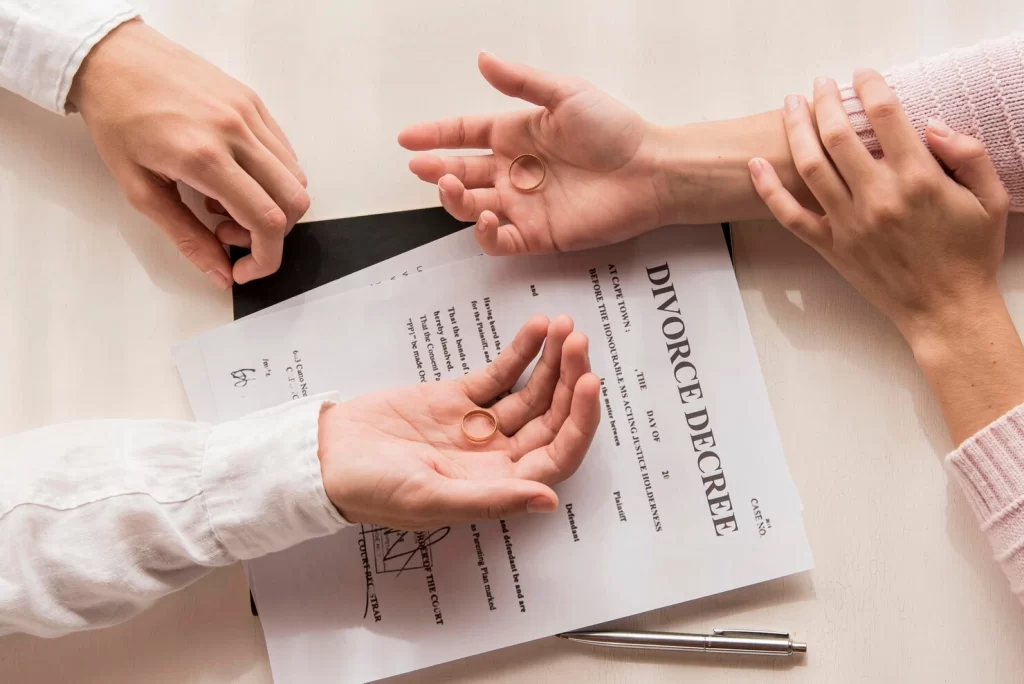



For many couples, divorce does not have to mean bitter disputes or prolonged court battles. In fact, uncontested divorces are becoming increasingly common in Texas because they offer a quicker and more cost-effective solution. An uncontested divorce attorney can help couples formalize agreements on property, custody, and support without the drawn-out litigation that typically defines contested cases. While not suitable for every situation, this process provides a path to closure with less stress and fewer financial burdens.
Step 1: Determining Eligibility for Uncontested Divorce
Not every couple qualifies for this simplified process. To pursue an uncontested divorce in Houston, both parties must agree on all major issues, including division of assets, child custody arrangements, visitation schedules, and spousal support. If even one issue is disputed, the case becomes contested and requires further litigation.
Couples should also meet Texas residency requirements, which stipulate that at least one spouse must have lived in the state for six months and in Harris County (or the county of filing) for at least 90 days. An experienced family lawyer Houston residents trust will confirm eligibility before moving forward, preventing delays and unnecessary costs.

Step 2: Filing the Initial Petition
The process begins when one spouse, known as the petitioner, files an Original Petition for Divorce with the appropriate court. This legal document outlines the grounds for divorce, which in uncontested cases are usually “insupportability,” Texas’s version of a no-fault divorce.
Although filing may appear straightforward, mistakes can slow down the case or lead to rejection by the court. Working with divorce lawyers in Houston ensures that paperwork is completed correctly and submitted with all required details, laying the foundation for a smooth process.
Step 3: Serving or Waiving Service
In most divorce cases, the non-filing spouse, known as the respondent, must be formally served with legal papers. However, uncontested divorces allow for a waiver of service. This waiver signals that the respondent has received and agrees to the petition, eliminating the need for a process server or sheriff to deliver documents.
This step is important because it demonstrates cooperation and reinforces that both parties are committed to resolving the divorce amicably. Attorneys often guide clients through this waiver process to ensure it is executed correctly and enforceable in court.
Step 4: Drafting the Divorce Agreement
One of the most significant steps is drafting the divorce agreement, which details how marital assets, debts, custody, visitation, and support will be handled. The agreement must be precise and comprehensive because it becomes legally binding once approved by the court.
A property division lawyer often assists during this stage to make sure assets such as real estate, retirement accounts, and investments are divided fairly under Texas’s community property laws. Similarly, custody and visitation schedules must align with state standards for the best interests of the child.
Attorneys ensure that agreements not only reflect the couple’s wishes but also meet legal requirements, reducing the risk of future disputes or enforcement issues.
Step 5: The Waiting Period
Texas imposes a mandatory 60-day waiting period between filing the petition and finalizing the divorce. This waiting period allows spouses time to reconsider their decision or make final adjustments to their agreement. While this may feel like an unnecessary delay, it is a required part of the process that ensures both parties have adequate time to confirm their decisions.
During this period, attorneys often review financial disclosures, double-check terms, and address any remaining concerns so that the final hearing proceeds without complications.
Step 6: Attending the Final Hearing
Even uncontested divorces require a brief court hearing to finalize the process. At this hearing, the judge reviews the proposed divorce agreement to confirm that it complies with Texas law and protects the best interests of any children involved.
The petitioner, and sometimes both spouses, must answer basic questions about the agreement. Judges typically approve uncontested divorces quickly if all paperwork is in order and both parties are aligned. Having representation from a divorce law firm ensures that the process is handled smoothly, with no overlooked details that could lead to rejection.

Benefits of Uncontested Divorce
Uncontested divorces provide several key benefits compared to contested proceedings:
- Cost Savings – With fewer court appearances and disputes, couples save significantly on legal fees.
- Reduced Conflict – Agreements made outside the courtroom minimize stress and preserve healthier relationships, especially when children are involved.
- Faster Resolution – Without lengthy litigation, divorces can often be finalized shortly after the mandatory waiting period ends.
- Privacy – Couples maintain greater privacy by keeping disputes out of public court records.
These advantages make uncontested divorce an attractive option for couples who can collaborate and resolve issues amicably.

When Uncontested Divorce May Not Work
Despite its benefits, uncontested divorce is not appropriate for every situation. If there are disagreements over property division, child custody, or spousal support, the process may shift into contested proceedings.
Cases involving allegations of abuse, hidden assets, or significant financial imbalance often require litigation to protect one spouse’s rights. In such cases, representation from professionals like a high-asset divorce lawyer or a domestic violence attorney may be necessary to secure a fair outcome.
Uncontested divorce works best for couples who communicate openly and are willing to compromise, but it is not a one-size-fits-all solution.
A Practical Path with the Right Support
Uncontested divorce offers Houston couples a chance to part ways with dignity, efficiency, and minimal conflict. By meeting eligibility requirements, carefully preparing agreements, and complying with Texas procedures, couples can finalize their divorce in a matter of months rather than years. For those facing family law matters, working with an uncontested divorce lawyer or a skilled spousal support attorney in Houston ensures that every step is handled properly. Professional guidance from Daniel Ogbeide Law can turn what might otherwise be a stressful event into a manageable and fair resolution for both spouses.
Contact us today.