
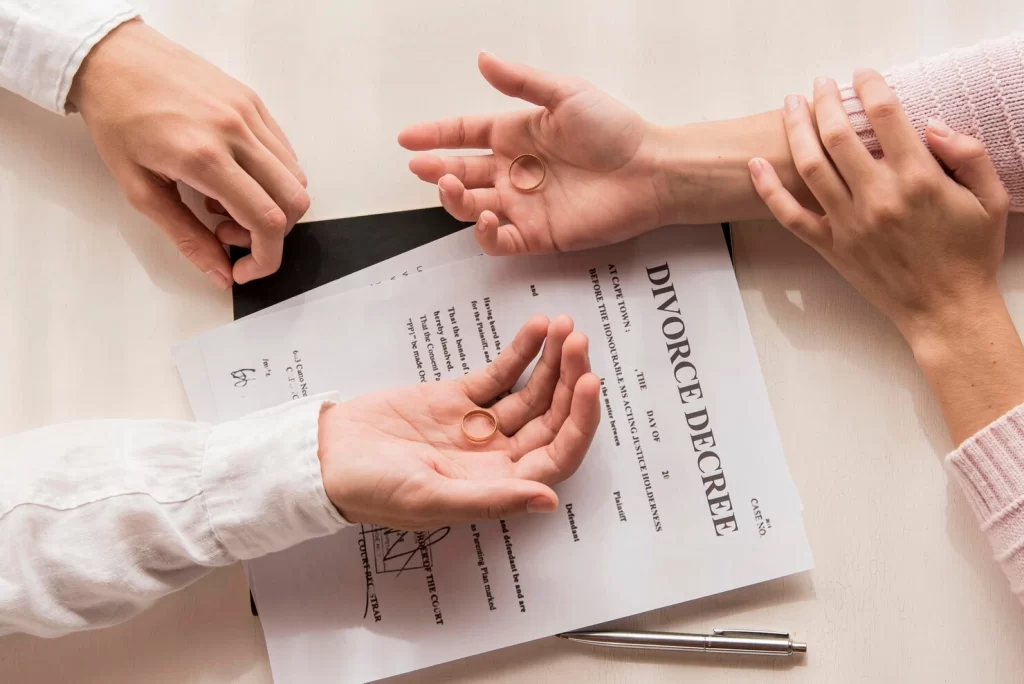



Divorce can be emotionally difficult, but not every case involves lengthy courtroom disputes or contested hearings. In many situations, spouses may agree on major issues such as property division, child custody, visitation, and support. These cases are commonly known as uncontested divorces. Working with an experienced, uncontested divorce lawyer can help couples complete the legal process efficiently while avoiding unnecessary delays and complications.
Although uncontested divorces are generally less stressful than contested litigation, the process still requires careful attention to Texas family law requirements. Filing errors, incomplete agreements, or unclear paperwork can create future legal problems. Understanding how the process works can help individuals make informed decisions before moving forward.
What Is an Uncontested Divorce?
An uncontested divorce occurs when both spouses agree on the primary issues involved in ending the marriage. Instead of fighting over custody, property, or support matters in court, the parties work together to finalize the terms of the divorce.
An experienced divorce attorney can help prepare settlement agreements, review paperwork, and ensure that all required legal documents are properly filed with the court. Even when spouses cooperate, legal guidance helps reduce the risk of future disputes or rejected filings.
Uncontested divorces are often appropriate when couples agree on:
- Property division
- Child custody arrangements
- Child support obligations
- Visitation schedules
- Debt allocation
- Spousal support terms
Texas courts still review the agreement to ensure it meets legal requirements and protects the best interests of any children involved.
The First Step in Filing for Divorce
The uncontested divorce process typically begins when one spouse files an Original Petition for Divorce with the court. The filing spouse becomes the petitioner, while the other spouse becomes the respondent.
A knowledgeable divorce lawyer can explain which county court has jurisdiction and help ensure the petition includes accurate information. Texas also requires residency qualifications before filing.
After the petition is filed, the respondent generally signs a waiver or files a response acknowledging the divorce proceedings. In uncontested cases, cooperation between both parties usually helps the process move more smoothly.
Understanding the Waiting Period
Texas law includes a mandatory waiting period before a divorce can be finalized. In most cases, courts cannot finalize the divorce until at least 60 days after the petition is filed.
During this time, couples may complete financial disclosures, finalize agreements, and prepare any required parenting plans. An experienced family lawyer can help ensure that settlement terms remain legally enforceable and clearly written.
While uncontested divorces often move faster than contested litigation, careful preparation during the waiting period remains important.

Property Division in Uncontested Divorce Cases
Even when spouses agree to divorce, property division can still require careful legal review. Texas follows community property laws, meaning assets and debts acquired during the marriage may need to be divided fairly.
A skilled family lawyers’ team can help spouses address issues involving:
- Homes and real estate
- Retirement accounts
- Vehicles
- Business interests
- Credit card debt
- Savings accounts
Proper documentation helps reduce the risk of future disagreements after the divorce becomes final.
Child Custody and Parenting Agreements
When children are involved, uncontested divorces often require custody and visitation agreements approved by the court. Texas courts focus heavily on the best interests of the child.
An experienced custody attorney may help parents create parenting plans that clearly outline:
- Conservatorship arrangements
- Parenting schedules
- Holiday visitation
- Communication expectations
- Transportation responsibilities
Parents may also work with a child visitation attorney when establishing visitation schedules that support consistency and stability for the child.
Clear agreements often help reduce future conflict between parents after the divorce is finalized.
Child Support Considerations
Texas courts generally require child support arrangements that comply with state guidelines. Even when parents agree on support terms, judges may review the arrangement to ensure fairness and legal compliance.
A knowledgeable child support modification lawyer can assist with support calculations, income documentation, and future modification concerns if financial circumstances later change.
Support agreements should address:
- Monthly payment obligations
- Medical insurance responsibilities
- Educational expenses
- Childcare costs
Well-drafted agreements can reduce enforcement disputes in the future.

How Uncontested Divorce Differs from Contested Divorce
Unlike uncontested divorce cases, contested divorces involve disagreements requiring court intervention. Contested matters may include disputes over custody, support, property, or allegations of misconduct.
An experienced best contested divorce attorney may represent clients during litigation when settlement negotiations fail. However, uncontested divorces generally involve fewer hearings, lower costs, and shorter timelines.
Couples sometimes begin with an uncontested approach, but later encounter disagreements that require additional legal support from contested divorce lawyers.
The Importance of Accurate Documentation
One of the most common reasons uncontested divorces become delayed involves incomplete or inaccurate paperwork. Courts require detailed forms and properly drafted agreements before finalizing the case.
Experienced family law and litigation attorneys help ensure that:
- Legal documents are complete
- Financial disclosures are accurate
- Parenting plans comply with Texas law
- Final orders are enforceable
- Settlement agreements are clearly written
Attention to detail can help avoid future modification or enforcement problems.
Finalizing the Divorce
After the waiting period ends and all agreements are approved, the court may schedule a brief final hearing. In many uncontested cases, only one spouse needs to appear before the judge.
The court reviews the final decree and confirms that all legal requirements have been satisfied. Once signed by the judge, the divorce becomes legally final.
An experienced enforcement attorney may later assist if one party fails to comply with the terms of the divorce decree involving support, visitation, or property transfers.
Avoiding Common Mistakes During the Process
Even amicable divorces can become complicated if important issues are overlooked. Common mistakes include:
- Rushing through settlement agreements
- Failing to disclose assets
- Ignoring tax consequences
- Creating vague parenting plans
- Overlooking future modification needs
Working with trusted family court lawyers helps individuals understand how current decisions may affect future legal and financial matters.

Moving Forward Through the Divorce Process
Uncontested divorces often provide families with a more efficient and less adversarial way to resolve legal matters while maintaining greater control over important decisions. However, legal guidance remains important for protecting financial interests, parenting rights, and future stability.
If you are considering divorce, Daniel Ogbeide Law provides guidance for individuals navigating Texas family law matters. Whether you need support from an uncontested divorce lawyer or assistance from trusted Houston family law and litigation attorneys, the firm helps clients understand the filing process and protect their legal interests.