



What if ending a marriage didn’t have to mean months of arguments, drawn-out hearings, and endless legal stress? While divorce is never easy, not every separation has to be a battle. Many couples are finding that they can part ways peacefully through an uncontested process rather than a contested one.
At Daniel Ogbeide Law, we’ve seen how a well-handled uncontested divorce can save couples emotional exhaustion, time, and the uncertainty that comes with courtroom disputes. As a family law firm in Houston, our goal is to help people finalize their divorces respectfully and efficiently, allowing them to move forward with stability and confidence.
In this post, we’ll discuss what filing for an uncontested divorce involves, how long it takes, what paperwork is required, and why many families find it a more practical option compared to a contested divorce.
Understanding What an Uncontested Divorce Means
An uncontested divorce occurs when both spouses agree on all key aspects of their separation before filing with the court. These include:
- Division of property and assets
- Child custody and visitation arrangements
- Child support
- Spousal support (if applicable)
- Debt division
Because both parties are in agreement, the process is typically faster and less stressful than a contested divorce, where disagreements must be resolved through negotiation or litigation.
In Texas, the uncontested divorce process is particularly beneficial for couples who have open communication and are ready to finalize their legal separation with minimal court involvement.
Step 1: Determining Eligibility
Before filing for an uncontested divorce, it’s important to confirm that you meet the state’s residency and filing requirements.
To file in Texas:
- At least one spouse must have lived in Texas for six months prior to filing.
- You must file in the county where one spouse has lived for at least 90 days.
Additionally, both spouses must agree on all terms of the divorce and be willing to sign the required documents. If even one issue remains disputed, the divorce may shift into a contested process.
Step 2: Filing the Initial Petition
The process officially begins when one spouse—known as the petitioner—files an Original Petition for Divorce with the local court. This document states the intent to dissolve the marriage and outlines any preliminary agreements.
Once filed, the other spouse—the respondent—must sign a Waiver of Service. This form confirms that they acknowledge the divorce filing and do not require formal service by a process server.
This step alone can significantly simplify the process, as it removes the need for additional legal procedures and demonstrates cooperation from both sides.
Step 3: Preparing the Divorce Agreement

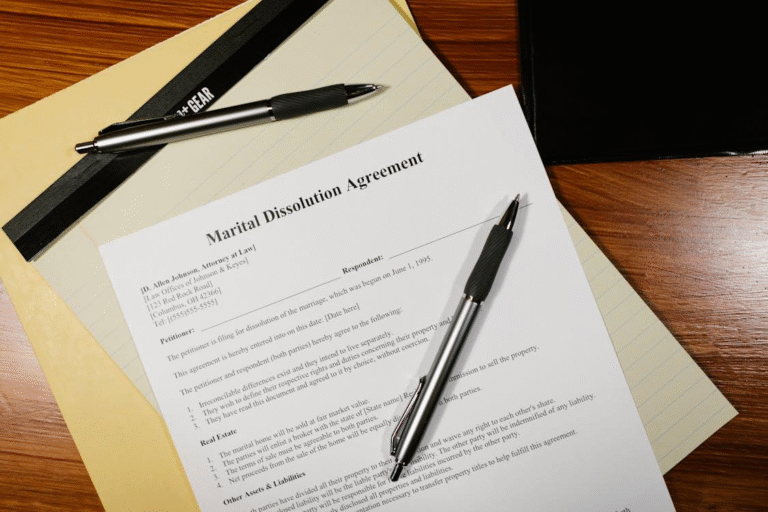
The divorce agreement is the heart of any uncontested filing. It lays out how property will be divided, how parenting responsibilities will be shared, and how support will be handled.
When preparing this agreement, couples should make sure that:
- All marital assets and debts are disclosed accurately.
- Parenting plans meet the child’s best interests.
- Both parties understand and agree to the terms in writing.
It’s always wise to work with an uncontested divorce attorney to ensure that the agreement complies with Texas family law and that no legal requirements are overlooked. Even in amicable separations, professional oversight can prevent future disputes or court complications.
Step 4: The Waiting Period and Final Hearing
Texas law requires a minimum 60-day waiting period from the date the petition is filed before a divorce can be finalized. This period allows both spouses time to reflect on their decision and confirm that they wish to proceed.
After the waiting period, the court will set a short hearing—often lasting just a few minutes—where the judge reviews the agreement. If everything is in order, the judge signs the Final Decree of Divorce, making the dissolution official.
This step marks the end of the process, allowing both parties to move forward independently.
How Long Does the Entire Process Take?
In most uncontested divorces, the process can be completed in as little as two to three months, depending on the court’s schedule and how quickly documents are prepared.
By contrast, contested divorces can take a year or more, especially if disagreements arise about property division or parenting rights.
Benefits of Filing for an Uncontested Divorce
Choosing an uncontested process offers multiple advantages beyond reduced stress:
- Faster Resolution– Without court disputes, most uncontested cases conclude quickly.
- Greater Privacy– Less court involvement means fewer public records of personal disagreements.
- Less Emotional Toll– Fewer confrontations help maintain civility, especially important when children are involved.
- More Control Over the Outcome– Spouses decide the terms rather than leaving decisions up to a judge.
- Smoother Transition for Families– Agreements based on mutual consent often lead to better long-term cooperation in co-parenting.
When both parties are committed to resolving issues respectfully, an uncontested divorce can create a foundation for healthier post-divorce relationships.
Common Mistakes to Avoid When Filing
Even when both parties agree, mistakes in documentation or misunderstanding legal obligations can delay or derail the process. Common errors include:
- Missing required forms or signatures
- Failing to provide complete financial information
- Using vague or incomplete language in the divorce agreement
- Not adhering to court deadlines
- Proceeding without legal review of the final documents
Working with experienced uncontested divorce lawyers helps ensure all forms are properly filed and that the final agreement aligns with Texas legal standards.
How Legal Support Makes a Difference
While an uncontested divorce is simpler than a contested one, it still requires precise paperwork and compliance with state rules. A qualified attorney helps by:
- Reviewing and drafting the divorce decree and supporting documents
- Ensuring that child custody, property division, and support terms are fair and legally enforceable
- Guiding clients through the court filing process to prevent delays
- Representing clients during the final court appearance
Legal guidance doesn’t mean conflict—it means clarity and protection during an important life change.
A Simpler Path Toward a New Chapter

What if you could move forward from your marriage with clarity and confidence, knowing every detail of your divorce was handled properly? That’s what an uncontested divorce aims to achieve.
At Daniel Ogbeide Law, we help couples file for uncontested divorce in a way that minimizes stress and confusion. As one of the leading divorce law firms in Houston, we bring years of experience handling family law matters with professionalism, empathy, and precision. Our team understands the importance of completing the process correctly so that you can begin the next phase of your life on solid ground.
If you and your spouse are ready to file for an uncontested divorce, let us guide you through each step with efficiency and care. Contact Daniel Ogbeide Law today to speak with an uncontested divorce attorney in Houston who can help finalize your case smoothly and respectfully.