
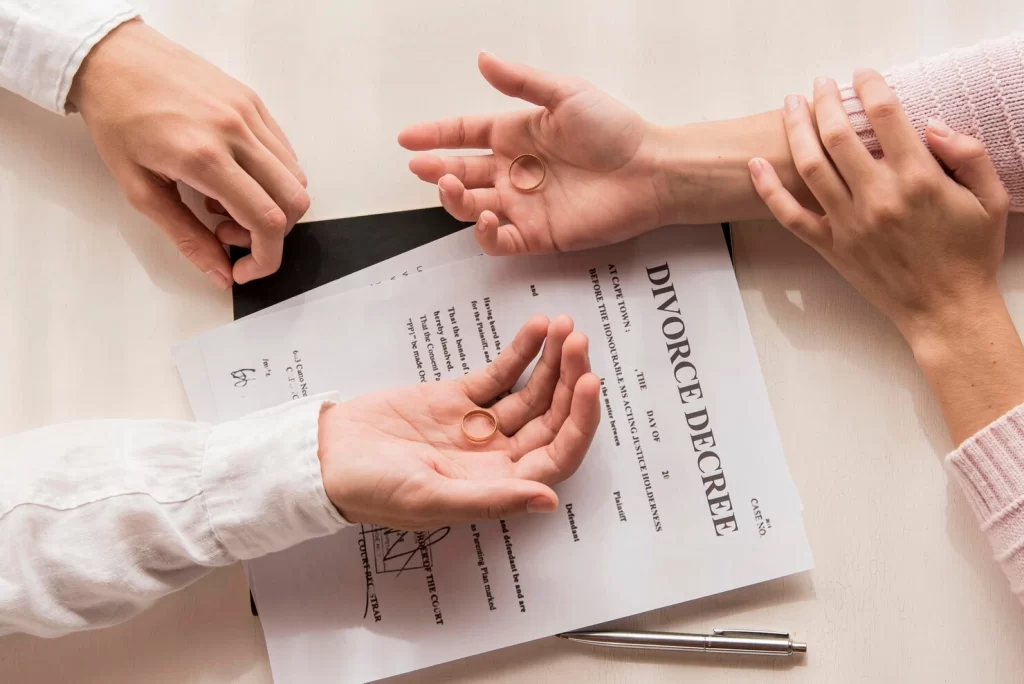



What happens when a divorce turns into a legal battle instead of a mutual agreement?
When spouses cannot agree on issues such as property division, child custody, or spousal support, a divorce can quickly become contested.
In contested matters, the outcome can shape finances, parental rights, and long-term stability for years to come.
This is where experienced legal representation matters. At Daniel Ogbeide Law, we serve as a divorce law firm in Houston focused on protecting client rights when agreements cannot be reached. We understand how contested cases unfold and how strategic advocacy can influence outcomes.
In this article, we explain what contested divorce cases involve, the litigation strategies attorneys use, and how skilled representation in divorce cases helps safeguard your interests from start to finish.
Understanding Contested Divorce Cases
A contested divorce occurs when spouses disagree on one or more core issues and require court intervention to resolve them. Unlike uncontested cases, these disputes demand formal procedures, evidence presentation, and legal argument.
Common points of disagreement include:
- Division of marital property and debt
- Child custody and visitation schedules
- Child support and spousal maintenance
- Classification of separate versus marital assets
- Recognition of informal or nontraditional marital arrangements
Each disagreement increases the complexity of the case. Without experienced legal guidance, parties risk unfavorable rulings or missed opportunities to protect their rights.
Why Contested Divorces Are More Challenging
Contested divorces place heavy demands on both parties. Courts apply strict procedural rules, and mistakes can affect credibility or admissibility of evidence.
Key challenges include:
- Emotional pressure:High conflict often leads to poor decision-making without proper counsel.
- Legal complexity:Court filings, hearings, and deadlines must be handled correctly.
- Financial exposure:Property disputes, especially in high-value estates, require careful analysis.
- Long-term consequences:Custody and support decisions shape family life well beyond the final decree.
These factors explain why individuals often seek representation from one of the leading contested divorce attorneys in Houston when disputes escalate.
Litigation Strategies Used in Contested Divorce Cases

Experienced attorneys rely on structured litigation strategies designed to protect client interests at every stage of the process. These strategies are never one-size-fits-all but are guided by careful legal assessment and preparation.
1. Case Evaluation and Goal Setting
Before filing motions or appearing in court, attorneys assess:
- The strengths and weaknesses of each claim
- Available evidence and documentation
- Legal standards applied by Texas family courts
Clear objectives help focus the case and avoid unnecessary disputes that drain time and resources.
2. Strategic Use of Temporary Orders
Temporary orders establish rules for custody, support, and property use while the case is pending. Skilled representation ensures these orders protect stability and prevent unfair advantage by the opposing party.
3. Discovery and Evidence Development
In contested cases, discovery is often the backbone of litigation. Attorneys gather:
- Financial records and asset documentation
- Employment and income data
- Parenting histories and communication records
This phase is particularly important when working with a high-asset divorce lawyer in Houston, as complex financial structures require detailed review.
4. Motion Practice and Court Advocacy
When disputes cannot be resolved through negotiation, attorneys present arguments through motions and hearings. Effective advocacy requires:
- Clear legal reasoning
- Proper use of statutes and case law
- Persuasive presentation of facts
Each court appearance shapes how the judge views the parties and their positions.
Protecting Client Rights Throughout the Process
One of the most important roles of legal counsel is safeguarding client rights from initial filing to final judgment. Contested divorces create opportunities for imbalance if one party is unprepared or unsupported.
Attorneys protect clients by:
- Ensuring compliance with court rules and deadlines
- Objecting to improper evidence or claims
- Preserving appellate rights when necessary
- Advising clients before critical decisions are made
This level of protection is essential in cases involving disputed parental rights or significant marital estates.
Special Considerations in High-Conflict and Complex Cases
Some contested divorces involve additional layers of difficulty, including:
- High-value assets:Businesses, investments, and retirement accounts
- Disputed marital status:Situations involving informal marriage claims, where guidance from a common-law divorce lawyer in Houston may be necessary
- Allegations of misconduct:Claims that can influence custody or property decisions
In these matters, thorough preparation and experienced judgment often determine whether rights are preserved or compromised.
The Role of Negotiation Even in Contested Cases
While litigation is central to contested divorces, not every issue must be resolved by a judge. Attorneys often use negotiation and mediation strategically, even during active court proceedings.
Benefits of guided negotiation include:
- Narrowing the number of disputed issues
- Reducing emotional strain on families
- Allowing clients to retain more control over outcomes
Strong legal representation ensures that any agreement reached protects client interests and complies with Texas law.

Frequently Asked Questions About Contested Divorce
What makes a divorce “contested”?
A divorce is considered contested when spouses disagree on key issues such as property division, custody, or support, requiring the court to resolve those disputes.
How long do contested divorce cases usually take?
The timeline varies based on the number of disputed issues, court availability, and cooperation between parties. Some cases resolve in months, while others extend longer due to litigation.
Why is legal representation so important in contested cases?
Contested divorces involve complex procedures and high stakes. Experienced representation in divorce cases helps protect rights, manage evidence, and present strong legal arguments before the court.
How the Right Attorney Can Change the Outcome
The difference between a favorable resolution and a damaging result often comes down to preparation, advocacy, and experience. Courts rely on the information and arguments presented to them. Without skilled counsel, important facts may never be fully considered.
Working with one of the best contested divorce attorneys in Houston means having an advocate who understands courtroom procedures, anticipates challenges, and prioritizes your long-term interests.
When the stakes are this high, who do you want standing beside you in court?
Contested divorce cases demand more than basic legal knowledge. They require focused advocacy, strategic planning, and a firm commitment to protecting client rights. At Daniel Ogbeide Law, we provide representation as a trusted divorce law firm in Houston, handling complex and disputed matters with professionalism and care. Whether disputes involve significant assets, parental rights, or the recognition of marital status, we work to address each challenge with clarity and purpose.
If you are facing a contested divorce and need representation that prioritizes your rights and future stability, contacting Daniel Ogbeide Law allows you to work with a team dedicated to guiding clients through high-conflict divorce proceedings with confidence and diligence.