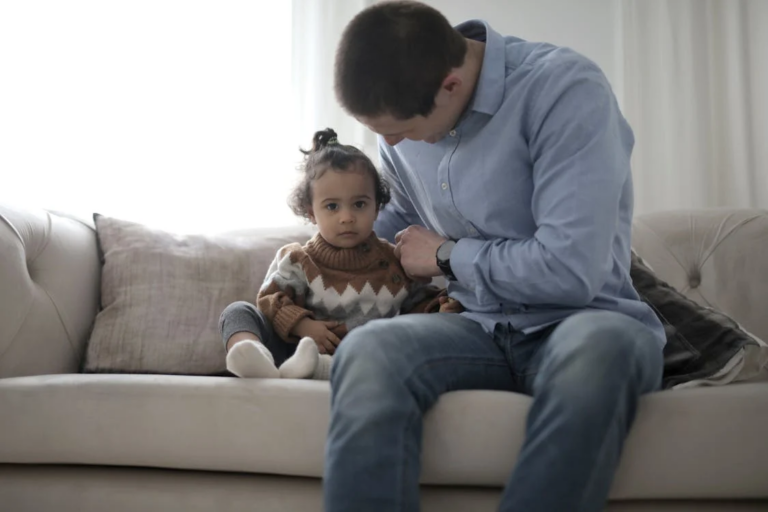
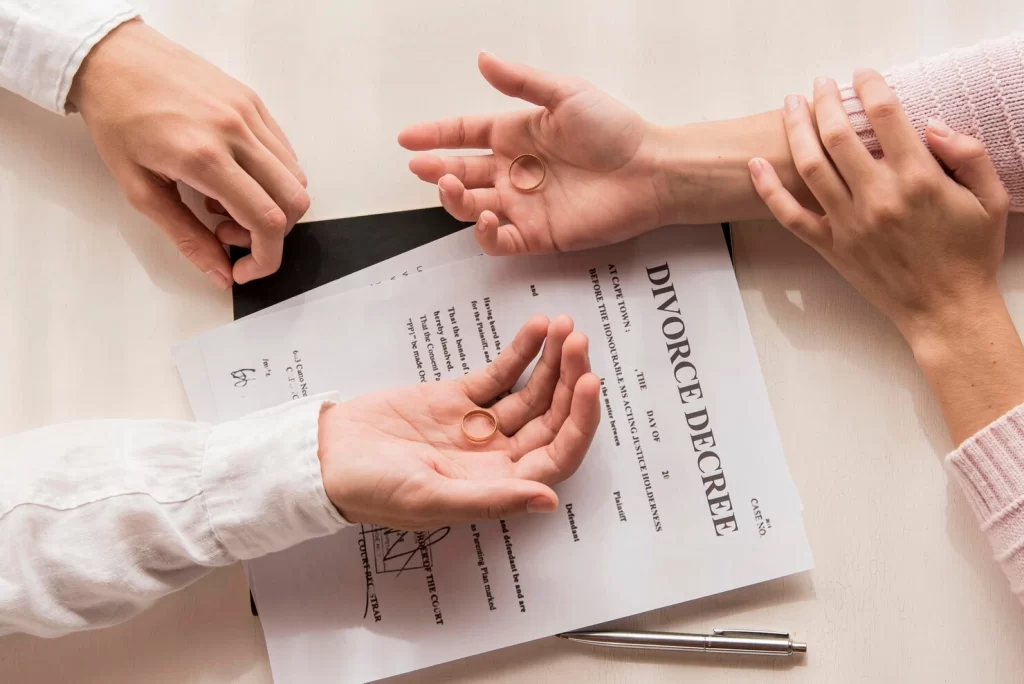



Divorce is rarely easy, especially when emotions, finances, and family relationships are involved. In Texas, many couples facing intense conflict are turning to collaborative divorce as an alternative to traditional courtroom battles. Instead of escalating disputes through litigation, collaborative divorce focuses on cooperation, problem solving, and mutually acceptable outcomes.
Many individuals who initially search for uncontested divorce laywers are often surprised to learn about collaborative divorce as another option for resolving disputes outside of court. While uncontested divorces involve full agreement between spouses, collaborative divorce provides a structured process for couples who still have disagreements but want to resolve them respectfully. For high stress situations involving children, assets, or complex financial matters, this approach is gaining attention across Texas.
Understanding Collaborative Divorce in Texas

Collaborative divorce is a legal process where both spouses work with specially trained attorneys to resolve issues without going to court. The process is recognized under the Texas Family Code, which outlines the collaborative law procedure and its requirements.
In a collaborative case, both parties and their attorneys sign a participation agreement stating they will work together in good faith to reach a settlement. If the process fails and the case moves to litigation, the collaborative attorneys must withdraw, and the spouses must hire new attorneys.
This structure encourages everyone involved to stay committed to reaching a resolution through cooperation rather than conflict.
Why High-Stress Cases Are Turning to Collaborative Divorce

Divorces that involve major disagreements often become emotionally and financially draining. Collaborative divorce is becoming popular because it offers a constructive alternative to litigation.
Reduced Emotional Conflict
Traditional divorce litigation often intensifies disagreements. Court hearings, legal filings, and adversarial arguments can deepen emotional strain for both spouses.
Collaborative divorce changes the tone of the process. Meetings take place in a structured environment where both parties work toward solutions instead of arguing positions. This cooperative framework can significantly reduce stress during an already difficult life transition.
Better Communication Between Spouses
In high conflict cases, communication frequently breaks down. Collaborative divorce creates opportunities for structured discussions where both parties can express concerns and work toward compromise.
Attorneys guide these discussions so they remain productive and respectful. In many cases, this helps couples move past emotional barriers and focus on practical solutions.
Privacy and Confidentiality
Court proceedings become part of the public record. For many individuals, especially professionals, business owners, and high profile individuals, privacy
is an important concern.
Collaborative divorce keeps negotiations private. Sensitive financial details, personal issues, and family matters remain outside the courtroom and away from public exposure.
Greater Control Over the Outcome
In traditional divorce litigation, a judge ultimately decides the outcome. This can leave both spouses feeling dissatisfied with the final result.
Collaborative divorce allows couples to maintain control over the decisions affecting their future. Agreements are developed through negotiation rather than imposed by the court.
This flexibility allows spouses to create solutions that work for their unique family dynamics.
The Role of Professionals in Collaborative Divorce

Another reason collaborative divorce works well in complex cases is the involvement of specialized professionals. These experts can help resolve issues that might otherwise lead to litigation.
Financial Professionals
Financial experts often assist with property division, business valuations, and long term financial planning. Their input helps both spouses understand the financial impact of various settlement options.
Mental Health Professionals
In some collaborative cases, a neutral mental health professional works as a communication coach or family specialist. This professional helps manage emotions and guide productive discussions, especially when children are involved.
Child Specialists
When custody arrangements are complicated, child specialists can provide insight into the best interests of the children. Their role helps parents create parenting plans that support stability and healthy relationships.
Collaborative Divorce and Child Custody in Texas
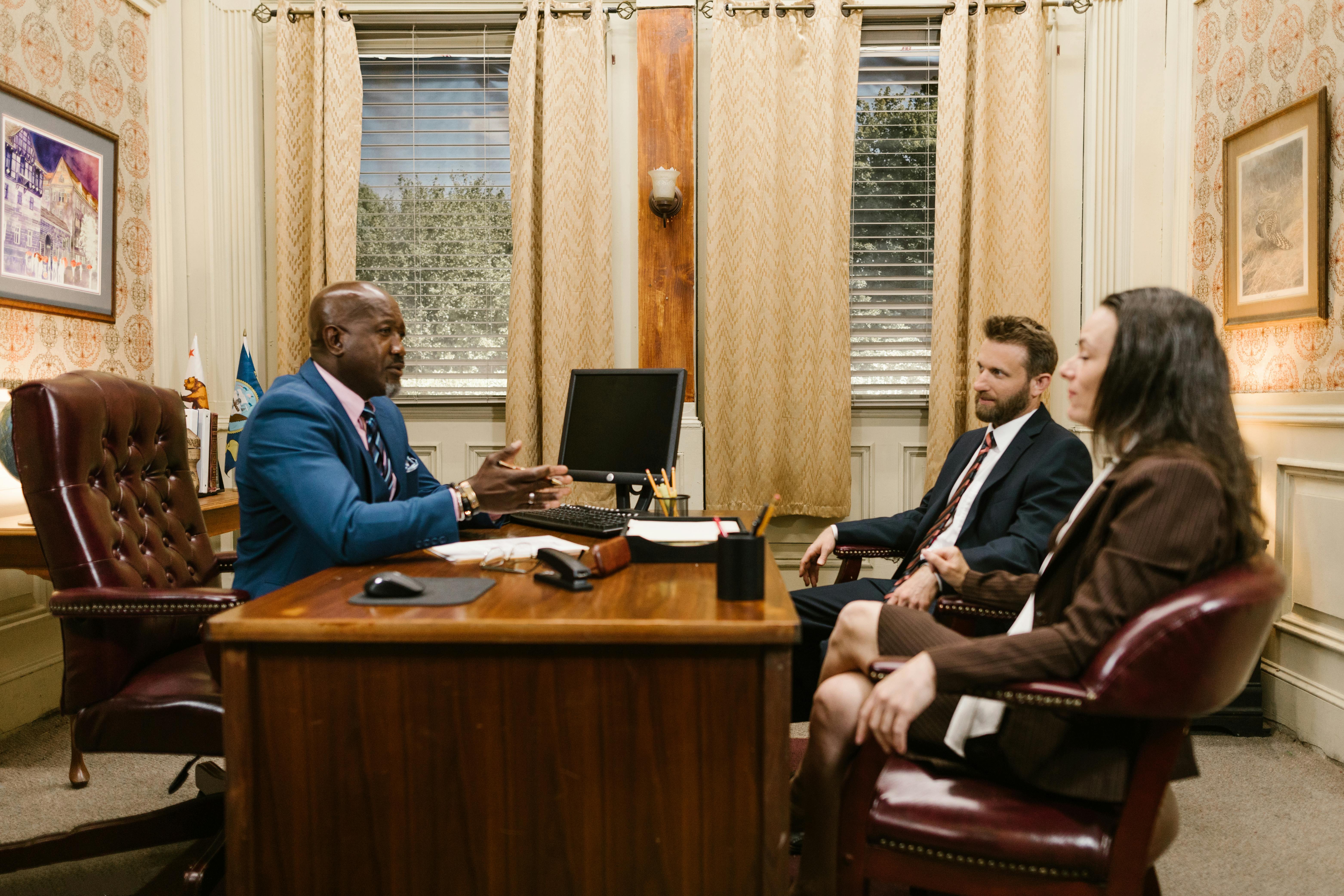
High stress divorces often involve disputes about child custody. Collaborative divorce provides a constructive environment for developing parenting plans that prioritize the needs of children.
Parents work together to determine schedules, decision making responsibilities, and communication guidelines. Because the process focuses on cooperation, it can help preserve the parental relationship even after the divorce is finalized.
This can be particularly beneficial for families who must continue co parenting for many years.
Financial Efficiency Compared to Litigation
Many people assume collaborative divorce is expensive, but it often reduces overall legal costs compared to litigation.
Court cases can stretch for months or even years. Attorney fees increase as hearings, motions, and trial preparation continue.
Collaborative divorce tends to resolve disputes more efficiently because the focus remains on negotiation and settlement. While professional support is involved, the process is typically more streamlined than prolonged courtroom battles.
For couples managing high stress situations, this efficiency can make a significant difference both emotionally and financially.
When Collaborative Divorce May Not Be Appropriate
Although collaborative divorce offers many benefits, it is not the right choice for every case.
The process requires both spouses to participate in good faith. If one party refuses to cooperate, hides assets, or attempts to manipulate the process, collaborative divorce may not succeed.
Cases involving domestic violence or severe power imbalances may also require court intervention to ensure safety and fairness.
An experienced Texas family law attorney can help determine whether collaborative divorce is appropriate for a particular situation.
Why Collaborative Divorce Continues to Grow in Texas
Across Texas, more couples are seeking alternatives to adversarial divorce proceedings. Collaborative divorce offers a balanced approach that combines legal guidance with cooperative problem solving.
For high stress cases, the process provides a path toward resolution without the hostility often associated with litigation. It allows families to protect their privacy, maintain control over important decisions, and focus on practical outcomes.
As awareness of collaborative law grows, many individuals are discovering that divorce does not have to involve a courtroom battle. With the right legal guidance and a commitment to cooperation, collaborative divorce can provide a more constructive way to move forward.
Start Your Divorce Process with Trusted Guidance from Daniel Ogbeide Law
If you need experienced uncontested divorce lawyers in Austin, Daniel Ogbeide Law can help. Speak with a skilled uncontested divorce attorney today to explore a smoother path forward. Contact Daniel Ogbeide Law for professional legal guidance.