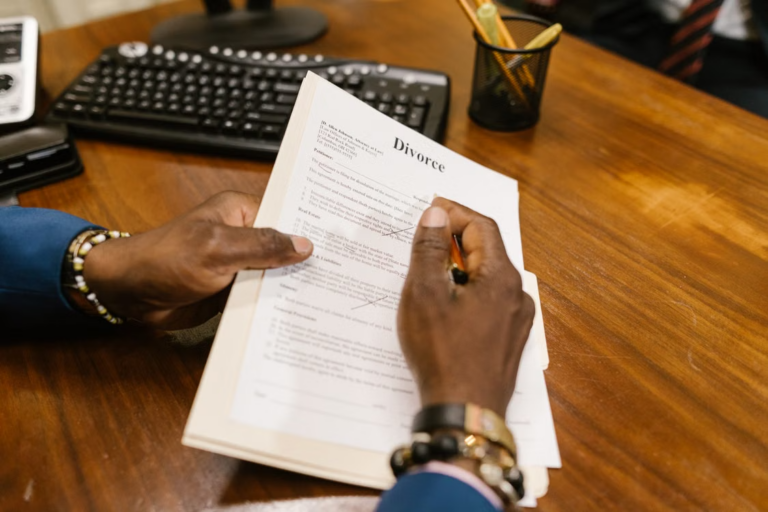
Contested divorce cases rarely move quickly. That is because contested divorce legal preparation involves far more than filing a petition and waiting for a court date.
Once spouses disagree on custody, property, or support, the case shifts into a different gear. Attorneys need documentation. Courts need evidence. Every claim has to be backed up.
Here’s why this level of preparation matters and what it involves at each stage of a Texas contested divorce.
What Makes Legal Preparation So Important
In an uncontested case, spouses simply present an agreement to the court. A contested case works differently.
A judge may ultimately decide unresolved issues. That means every position taken during the case needs to be supported by something concrete, not just a spoken statement.
Preparation typically affects:
- How convincing a request for temporary orders appears
- Whether a settlement offer gets taken seriously
- How a judge weighs testimony at trial, if the case gets that far
This is where contested divorce legal preparation becomes essential. Without it, claims about income, parenting involvement, or asset value are just statements. With it, they become evidence a court can rely on.
Building the Discovery Record
Discovery is the formal process of gathering information from the other side. It is often the most document-heavy part of a contested case.
Common discovery tools in Texas include:
- Interrogatories: written questions the other spouse must answer under oath
- Requests for production: asking for documents like bank records or tax returns
- Requests for admission: asking the other side to confirm or deny specific facts
- Depositions: where a spouse or witness answers questions in person under oath
Each of these tools takes time to prepare correctly. A poorly drafted discovery request can miss key information entirely, and gaps discovered late in a case are much harder to fix.
Preparing for Temporary Orders Hearings
Many contested cases include a hearing for temporary orders early on. These orders govern daily life while the case is still pending.
Temporary orders commonly address:
- Which parent has primary possession of the children
- Who stays in the marital home
- How bills and expenses get paid during the case
- Temporary child support or spousal support
These hearings often happen quickly, sometimes within weeks of filing, thorough contested divorce legal preparation before filing can make a real difference in the outcome. There is often little time to gather documentation once a hearing date is already set.
If a custody dispute already involves a prior report to Texas Child Protective Services, that history may also need to be addressed at this stage. A Texas CPS lawyer can help clarify how an existing investigation may affect a pending custody case, including which records the court may want to review.

Organizing Evidence for Negotiation and Mediation
Most contested divorces do not reach a full trial. Many resolve through negotiation or mediation instead.
Preparation still matters. A well-organized case, with clear documentation behind each position, tends to produce stronger settlement offers, since the other side has less room to dispute the facts.
Custody-related negotiations, in particular, often benefit from organized records. If parenting time or visitation terms are contested, legal support for child visitation in Houston can help ensure proposed schedules are realistic and enforceable before they are put in writing.

Preparing for Trial, If Settlement Isn’t Reached
When mediation does not resolve every issue, the case may proceed to trial. Preparation matters even more at this stage because there is less room to adjust once testimony begins.
Trial preparation generally includes:
- Organizing exhibits and supporting documents in advance
- Preparing witnesses, including expert witnesses if needed
- Outlining testimony and anticipated cross-examination
- Reviewing prior court orders and filings for consistency
A judge only sees what is presented in the courtroom. Thorough preparation helps make sure important information is not left out.

Why Houston-Area Cases Require Local Procedural Knowledge
Harris County family courts, like most Texas courts, follow local rules on top of the statewide Family Code. These can affect filing deadlines, hearing formats, and even how temporary orders are requested.
Attorneys who regularly practice in these courts tend to know what a specific judge expects, which can shape how a case gets prepared from the start. Small mistakes, such as missing a local filing deadline, can create delays that have nothing to do with the case itself.If a spouse fails to follow a court’s temporary orders while the case is pending, requesting help from an enforcement attorney in Houston may become necessary before the case even reaches trial.
Why This Level of Preparation Pays Off
Contested divorce legal preparation is not about creating unnecessary paperwork. It is about making sure that decisions, whether made by agreement or by a judge, are based on accurate, well-supported information rather than guesswork.
Cases that go to trial can sometimes be appealed. If procedural issues arise later, a family law appeals attorney in Houston may need to review how the original case was handled. This is another reason preparation matters from the beginning, not just when a trial date gets close.
Talk to a Divorce Lawyer in Houston, TX, About Your Case
If your divorce is heading toward a contested case, preparation now can save time and stress later. Getting organized early is often easier than trying to catch up once a hearing date is already on the calendar.
At Daniel Ogbeide Law, we help clients throughout the Houston area organize documentation, prepare for hearings, and build a case that holds up whether it settles or goes to trial. Contact our team today to discuss what thorough preparation looks like for your specific situation.