
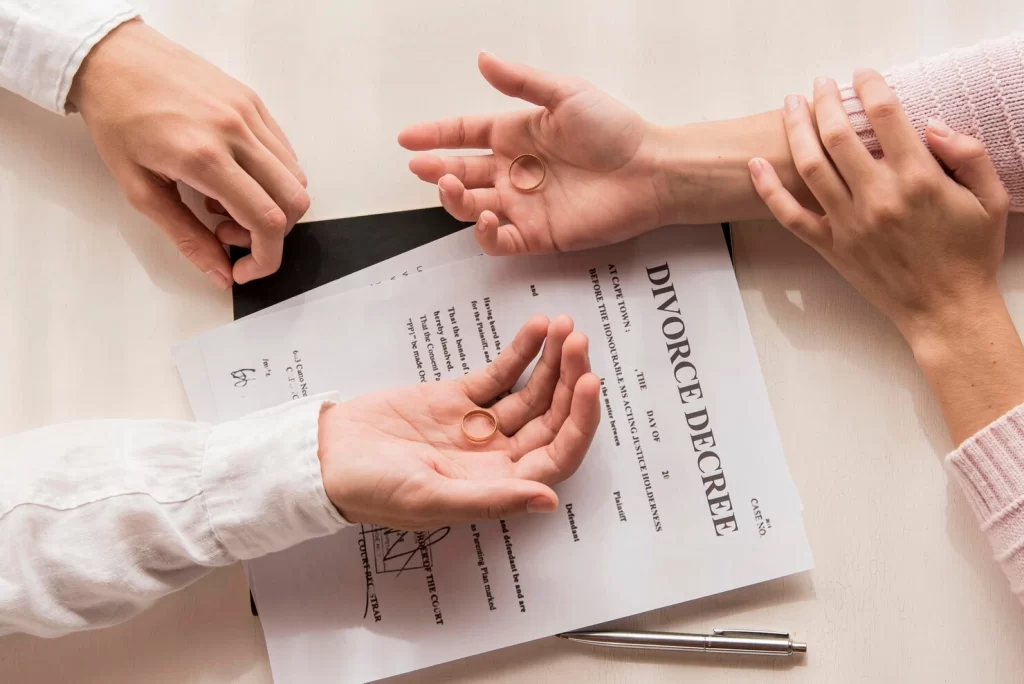


What happens to everything you have worked for when a marriage comes to an end? For many people, that question brings uncertainty, stress, and real financial concern. Disagreements over property division during divorce are among the most common causes of prolonged legal disputes. Without proper guidance, individuals may walk away with far less than they deserve.
At Daniel Ogbeide Law, we understand how high the stakes can be. Our team works with clients to protect their financial interests and help them pursue a fair outcome.
In this article, we explain how property division works, what courts consider, and how the right legal support can make a meaningful difference.
What Is Property Division During Divorce?
Property division during divorce refers to the legal process of identifying, valuing, and distributing assets and debts between spouses. This includes everything acquired during the marriage, from real estate and bank accounts to retirement funds and business interests.
Courts generally classify property into two categories:
1. Marital Property
This includes assets and debts acquired during the marriage, regardless of whose name is on the title.
Examples include:
- Family homes
- Joint bank accounts
- Retirement savings
- Vehicles purchased during the marriage
2. Separate Property
Separate property typically belongs to one spouse and is not subject to division.
This may include:
- Assets owned before the marriage
- Inheritances received individually
- Gifts given specifically to one spouse
Understanding the difference is essential, as it directly affects how assets are divided.
How Courts Decide What Is Fair
Courts aim for a fair distribution, not necessarily an equal one. Several factors are considered when determining how property should be divided.
Key Factors Include:
- Length of the marriage
Longer marriages often lead to a more balanced division of assets. - Each spouse’s financial situation
Income, earning capacity, and financial needs all play a role. - Contributions to the marriage
This includes both financial contributions and non-financial roles such as homemaking or child-rearing. - Future financial stability
Courts consider who may need more support moving forward. - Debts and liabilities
Shared debts are divided alongside assets.
These factors help the court assess what outcome is reasonable under the circumstances.
Common Challenges in Property Division

Property division can become complicated, especially when high-value or complex assets are involved. Some common challenges include:
Hidden Assets
In some cases, one spouse may attempt to conceal income or property. This can significantly impact the fairness of the outcome.
Business Ownership
Dividing a business requires careful valuation and may involve ongoing financial ties between spouses.
Retirement Accounts
Pensions and retirement savings often require specific legal orders to divide properly.
Emotional Attachments
Disputes are not always about financial value. Sentimental items can become major points of conflict.
Working with a knowledgeable legal team can help address these challenges effectively.
The Importance of Accurate Valuation
Before assets can be divided, they must be accurately valued. This step is critical because even small miscalculations can lead to unfair results.
Methods of Valuation May Include:
- Professional appraisals for real estate
- Financial analysis for investments
- Business valuation experts for company ownership
Without proper valuation, one party may receive less than their fair share.
Negotiation vs. Litigation
Not all property division cases end up in court. In many situations, spouses can reach an agreement through negotiation.
Negotiated Settlements
- Often faster and less stressful
- Allow more control over the outcome
- Can preserve a more cooperative relationship
Court Decisions
- Necessary when agreements cannot be reached
- Provide a structured resolution
- Based on legal standards and evidence
We often encourage negotiation when possible, but we are prepared to advocate in court when needed.
How Legal Support Makes a Difference

Property division involves legal, financial, and procedural complexities. Without proper representation, it can be difficult to protect your interests.
An experienced attorney can:
- Identify all marital assets and debts
- Ensure accurate valuation
- Advocate for a fair distribution
- Address disputes effectively
- Provide clear guidance throughout the process
If someone is searching for a property division lawyer in Atascocita, having the right legal support can significantly influence the outcome.
Protecting Your Financial Future
Divorce is not just about ending a marriage. It is also about securing your financial future. Decisions made during property division can affect long-term stability.
Steps to Protect Yourself:
- Gather financial documents early
This includes tax returns, bank statements, and property records. - Understand your assets and liabilities
A clear financial picture is essential. - Avoid major financial decisions during the process
Large transactions can complicate matters. - Seek legal guidance promptly
Early advice can prevent costly mistakes.
Individuals working with a divorce attorney in Atascocita often find that preparation leads to better outcomes.
When Local Experience Matters
Legal processes can vary by jurisdiction, and local experience can be valuable. Working with a divorce lawyer in Humble, TX or a property division attorney in Humble may provide insight into how courts in the area typically approach these cases.
While no outcome can be guaranteed, informed representation helps ensure that every relevant factor is considered.

What Would a Fair Outcome Look Like for You?
A fair outcome in property division is not about winning or losing. It is about reaching a result that reflects your contributions, protects your interests, and supports your future.
At Daniel Ogbeide Law, we work closely with clients to understand their priorities and advocate for a balanced resolution. As one of the firms many consider when looking for the best divorce attorney in Humble, we focus on clarity, preparation, and strong representation.
If you are facing divorce and have concerns about property division, now is the time to act. Contact Daniel Ogbeide Law to discuss your situation and learn how we can help protect what matters most to you.