
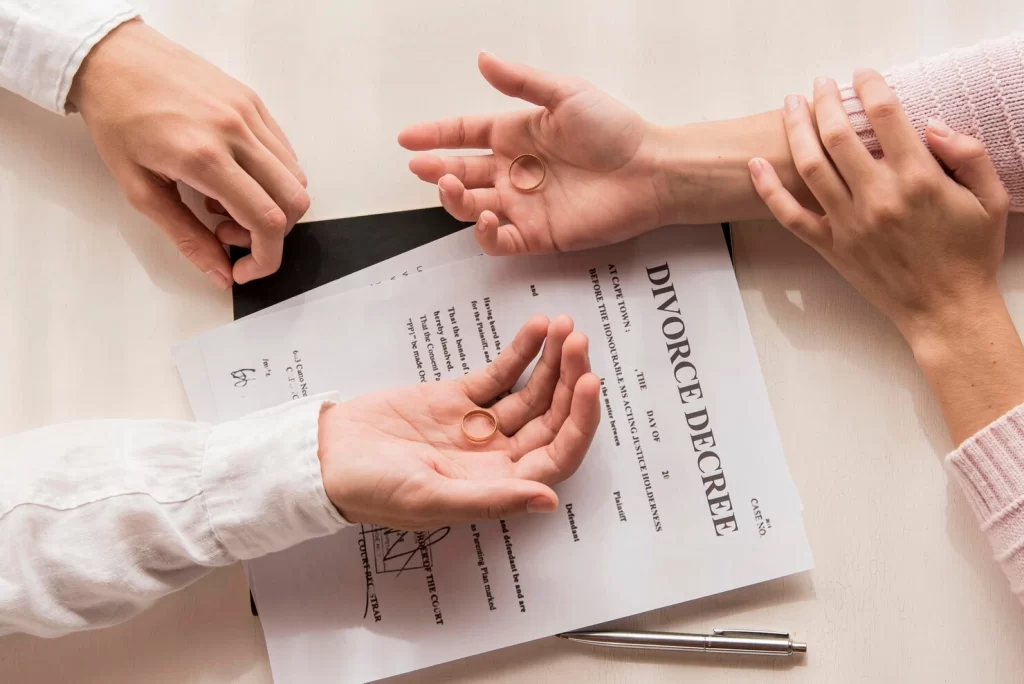



A child support order isn’t meant to be permanent. Incomes change, families grow, and a schedule that made sense two years ago can stop reflecting how a family actually lives.
Texas law recognizes this, and it gives parents two distinct paths; one is to ask a court, while the other is visiting the Attorney General’s office, to revisit an existing child support order, without having to start the whole case over from scratch.
Two Legal Paths to Modify Child Support
Under Texas Family Code Section 156.401, a court may change an existing order if either of the following applies:
- The circumstances of the child or either parent have materially and substantially changed since the order was signed
- At least three years have passed since the order was last set, and the current amount differs from the current guideline amount by 20% or $100
These are separate, independent paths. A parent doesn’t need to prove a dramatic life event if the three-year, guideline-gap option applies, and a parent doesn’t need to wait three years if a real change has already happened. Choosing the wrong path, or trying to combine the two arguments awkwardly, is one of the more common ways a modification request gets delayed.
What Counts as a Material and Substantial Change
Courts look at concrete, documented shifts rather than a general sense that things feel different. Common examples include:
- A significant increase or decrease in either parent’s income
- A change in who has primary physical custody of the child
- New or increased medical, dental, or therapy expenses for the child
- A parent’s incarceration for more than 180 days, which Texas law treats as a qualifying change on its own
- A parent’s release from incarceration, if support was reduced or paused during that time
For parents searching for the best child support lawyer in San Antonio, the important question is whether the change in circumstances is significant enough to meet the legal standard for modification. Not every life change qualifies, even when it feels significant to the parent experiencing it.

Changes That Don’t Automatically Qualify
A few situations catch parents off guard because they seem like they should count but generally don’t on their own:
- Simply agreeing to joint conservatorship doesn’t, by itself, justify changing support
- A voluntary pay cut or reduced hours, without a legitimate reason, may not support a decrease
- A short-term dip in income that isn’t expected to last
A family law attorney in San Antonio can help set realistic expectations before filing, which saves time and legal fees on a request that’s unlikely to succeed as framed. Parents weighing whether their situation qualifies often have overlapping questions, and we’ve put together answers to some of the most common ones about custody and support changes.
The Three-Year Review Option
Parents with an open case through the Office of the Attorney General can request a formal review once three years have passed since the order was last set. The Attorney General’s support modification process walks through how this works: either parent submits a request, the office verifies income and other details from both sides, and the case moves toward either an agreed change or a court date.
Parents without an open Attorney General case, or those who need a change sooner than three years, generally file directly with the court instead. A family court lawyer can help prepare the filing and explain how the court process differs from an administrative review, while a child support attorney can help assess which route makes the most sense based on the circumstances and timing.

How to Request a Modification
Filing for a modification generally involves:
- Confirming which of the two legal grounds actually applies to your situation
- Gathering documentation, such as pay stubs, medical bills, or custody records, that supports the request
- Filing a petition to modify with the court, or a request for review with the Attorney General’s office
- Attending a hearing or negotiation session where both parents present their information
- Getting the new terms entered as an official, enforceable order
A custody attorney is often part of this process too, particularly when a support modification follows a change in custody or who the child primarily lives with, since the two issues frequently move together.
Get Help Reviewing Your Child Support Order
Whether it’s been three years since your order was signed or something significant has changed for your family, it’s worth having someone look at whether a modification makes sense.
Daniel Ogbeide Law helps San Antonio parents evaluate and file child support modifications, along with related custody changes when the two issues overlap. Schedule a Consultation or call our San Antonio office directly at 210-338-6671.