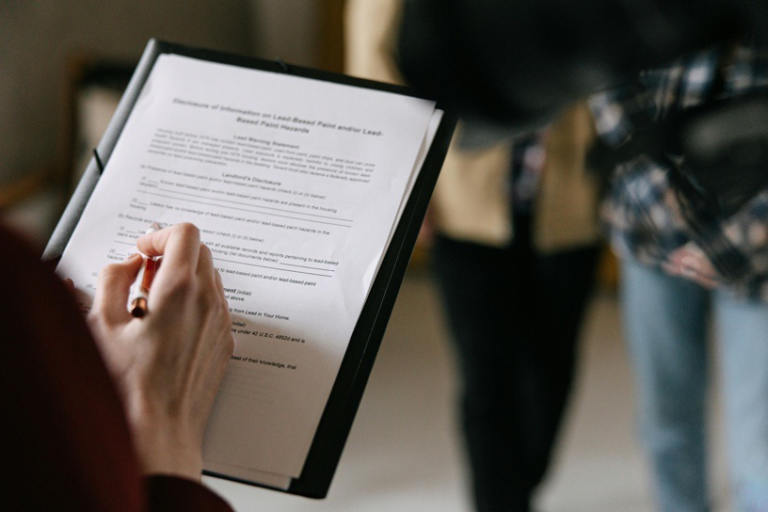
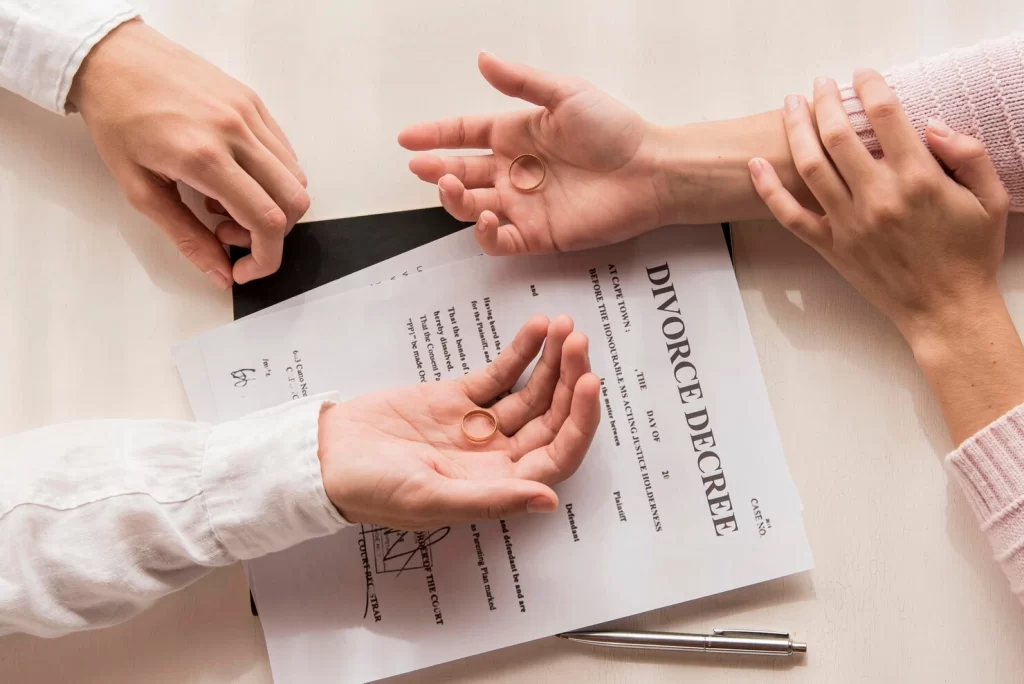



Most divorces settle before a judge ever has to make a final decision, but some cases cannot be resolved that way no matter how much both spouses may want to avoid a courtroom. When spouses cannot agree on major issues such as property, custody, or support, the case moves toward trial, and a contested divorce attorney in Houston becomes an important part of preparing for what comes next. Understanding what that process actually looks like can help spouses feel less overwhelmed if their case ends up heading in that direction, rather than being caught off guard by each new stage as it arrives.
How a Case Moves From Disagreement to Trial
A divorce does not go straight from filing to trial. It typically moves through several stages first, including temporary orders, discovery, and often one or more attempts at mediation. Temporary orders address immediate questions, such as who stays in the home or how bills get paid, while the larger case is still pending. Discovery is the formal process where both spouses exchange financial records, property information, and other documents relevant to the disputed issues. Only after these steps have been exhausted, and settlement still has not been reached, does a case typically proceed to a trial setting.
What Happens During the Discovery Process
Discovery is often the most time-consuming part of a contested divorce. Both sides may request documents such as bank statements, tax returns, retirement account balances, and business records. Depositions may also be scheduled, where each spouse answers questions under oath about finances, parenting, or other disputed issues. This process is designed to make sure both sides, and eventually the court, have accurate information before any final decisions are made. A thorough discovery process often reveals whether a case is more likely to settle or is genuinely headed toward trial, and it can also uncover information that shifts the entire direction of a case once it comes to light.

Common Issues That End Up Being Contested
Certain issues tend to be the most frequent reasons a divorce cannot be resolved without a judge’s involvement. Property division becomes contested when spouses disagree about the value of an asset or whether something should be classified as separate property. Custody and visitation disputes often arise when parents cannot agree on where a child should primarily live or how holidays should be divided. Spousal support is another common sticking point, particularly when spouses disagree about whether support is appropriate at all or how much should be paid. In some cases, more than one of these issues remains unresolved at the same time, which can make trial preparation considerably more involved.
Preparing for a Trial Setting
Once it becomes clear that a case will not settle, preparation shifts toward building a case that can be presented in court. This typically involves organizing financial documentation, preparing witnesses, and, in some cases, retaining experts to testify about business valuation or a child’s needs. A contested divorce attorney spends significant time before trial identifying which facts and documents will matter most to a judge, since trial time is limited and every piece of evidence needs to serve a clear purpose.

What a Judge Actually Weighs at Trial
A judge deciding a contested divorce is required to reach a property division that is just and right, taking into account each spouse’s circumstances. When children are involved, decisions about custody and visitation are guided by the best interest of the child, which considers factors such as each parent’s involvement, the child’s routine, and any safety concerns raised during the case. Judges rely heavily on the evidence and testimony presented during trial rather than assumptions or general fairness, which is why thorough preparation beforehand tends to matter so much to the eventual outcome. A judge cannot consider evidence that was never properly presented, which makes the discovery and preparation stages just as important as the trial itself.
How Long a Contested Divorce Trial Typically Takes
The length of a trial depends heavily on how many issues remain disputed and how complex the marital estate is. A case involving a single disputed issue, such as one piece of property, may be resolved in a matter of hours. A case involving significant assets, a business valuation dispute, and contested custody arrangements can take considerably longer, sometimes spanning multiple days. Court schedules and the availability of witnesses or experts can also affect how quickly a trial moves once it begins.

What Happens After the Judge Rules
Once a judge issues a ruling, the decision is generally formalized into a final decree of divorce. Contested divorce lawyers typically review this document carefully to confirm it accurately reflects the judge’s ruling before it is signed. In some situations, a party who disagrees with the outcome may have grounds to appeal, though appeals are limited to specific legal errors rather than a general disagreement with the result. Most contested divorces conclude at the trial court level without further proceedings.
Why Preparation Matters Long Before a Trial Date
Spouses sometimes assume trial preparation only matters in the final weeks before a court date, but the strongest cases are usually built much earlier. Organizing financial records at the very start of a case, documenting parenting involvement consistently, and responding promptly to discovery requests all contribute to a stronger position if the case does eventually go to trial. A divorce attorney who treats every stage of the case as potential trial preparation, rather than waiting until settlement talks fail, tends to be better positioned if a judge’s involvement becomes necessary.
How Daniel Ogbeide Law Helps With Contested Divorce Cases
Daniel Ogbeide Law helps clients throughout Houston prepare for every stage of a contested divorce, from the first disagreement through a possible trial. Their team, known by many as a top contested divorce attorney in Houston option for families facing significant disputes, brings a family law attorney perspective to every case, whether it settles early or requires a judge’s final decision. They work to make sure clients understand each stage of the process well before it happens, so there are as few surprises as possible along the way.
Contact them today to schedule a consultation and get a clear picture of what a contested divorce may involve.