



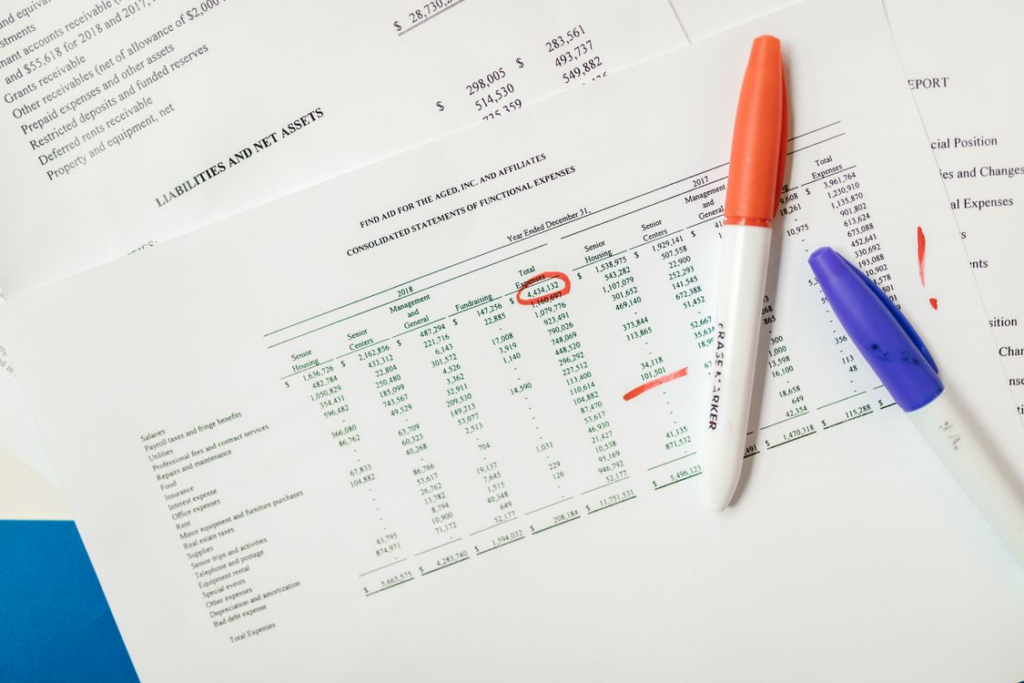
Child support disputes often develop quietly. A parent may change jobs, receive a bonus, start a business, reduce hours, or take on new income without realizing how changes could affect support. Early documentation can provide clarity before disagreements become courtroom disputes. A Richmond child support attorney can help parents understand why complete financial records matter and how accurate information supports fair child support decisions.
Why Documentation Matters
Texas child support calculations depend on financial information. When records are incomplete, outdated, or inconsistent, questions can arise about a parent’s ability to pay or the amount a child should receive. Pay stubs, tax returns, bank statements, employment records, and other financial documents can help establish a picture.
Documentation is especially important when income changes. A parent who recently lost a job may have a reason to request a modification, while a parent who receives a substantial raise may need to account for increased earnings. Keeping records can make these changes easier to evaluate.
Employment Changes Can Affect Support
Employment is rarely static. A parent may move from full-time work to part-time employment, change employers, receive commissions, or experience periods without work. These circumstances can affect child support, but a claimed income reduction does not automatically mean support should change.
Records can help show when a change occurred and why. Employment contracts, termination notices, payroll statements, job-search records, and documentation of new earnings may provide useful evidence. Parents should avoid relying only on verbal explanations.

Bonuses, Commissions, and Additional Earnings
Regular wages are not always the whole financial picture. Bonuses, commissions, overtime, and other compensation may affect income used in child support calculations. The timing of these payments can matter.
Maintaining tax documents, payroll records, bonus statements, and employer communications can help distinguish regular income from occasional payments. Clear records may reduce disputes over how earnings should be treated.
Self-Employment Requires More Detail
Self-employed parents may face additional questions because business revenue is not necessarily the same as personal income. Business expenses, distributions, retained funds, and other financial activity may need to be reviewed to understand the parent’s resources.
Business owners should maintain organized tax returns, profit-and-loss statements, bank records, invoices, and other relevant documentation. Separating personal and business finances can also make financial review more straightforward. When records are unclear, disagreements can grow quickly, particularly when one parent believes income is being understated.
Business Ownership and Financial Disclosure
Owning a company can add another layer to child support discussions. A parent’s financial position may involve ownership interests, business accounts, compensation arrangements, or benefits provided through the company. These details can matter when determining resources.
That does not mean every business asset becomes personal income for support purposes. Instead, accurate documentation allows the parties and their legal representatives to assess the financial facts rather than rely on assumptions.

Transparency Can Prevent Escalation
Early financial disclosure can help parents address questions before they become allegations. When both sides have access to reliable records, they may be better positioned to discuss support based on documented facts.
Transparency does not guarantee agreement, but it can narrow disagreements and reduce repeated requests for information. In some cases, clear documentation may support a negotiated resolution without prolonged litigation.
When Modification Becomes Necessary
Child support orders may need review when circumstances materially change. A significant employment change, altered income, or other qualifying circumstance can lead a parent to seek modification. Documentation should be gathered before filing so the request can be supported with evidence.
An informal agreement to change payments may not replace a formal court order. Continuing to follow the existing order while seeking legal relief can help prevent additional problems.
Enforcement and Missing Records
Documentation also matters when enforcement becomes necessary. Payment histories, bank records, receipts, and communications can help establish what was paid, when payments were made, and whether an obligation remains outstanding.
If financial information is missing or disputed, legal guidance can help identify what records may be relevant and how they should be presented. A Richmond Family Law Attorney may assist when a support dispute requires modification, enforcement, negotiation, or court involvement.

Building Better Financial Habits
Parents can reduce future conflict by keeping financial records organized throughout the life of a support order. Saving pay statements, tax documents, employment notices, bonus information, and business records securely can make future reviews easier.
It is also wise to document major changes promptly rather than waiting until a dispute develops. Early communication, accurate records, and timely legal advice can strengthen financial discussions.
Get Help With Child Support Documentation
Child support decisions rely on facts, and financial transparency gives those facts a clearer foundation.
When a matter requires legal assistance, a Richmond family law attorney can provide guidance, while a custody attorney may assist when financial issues overlap with parenting arrangements. A child support attorney can help address documentation, modification, or enforcement concerns.
For focused support regarding child support documentation, modification, or enforcement, Daniel Ogbeide Law can help you understand your options and prepare for the next step with confidence. Contact us today.