
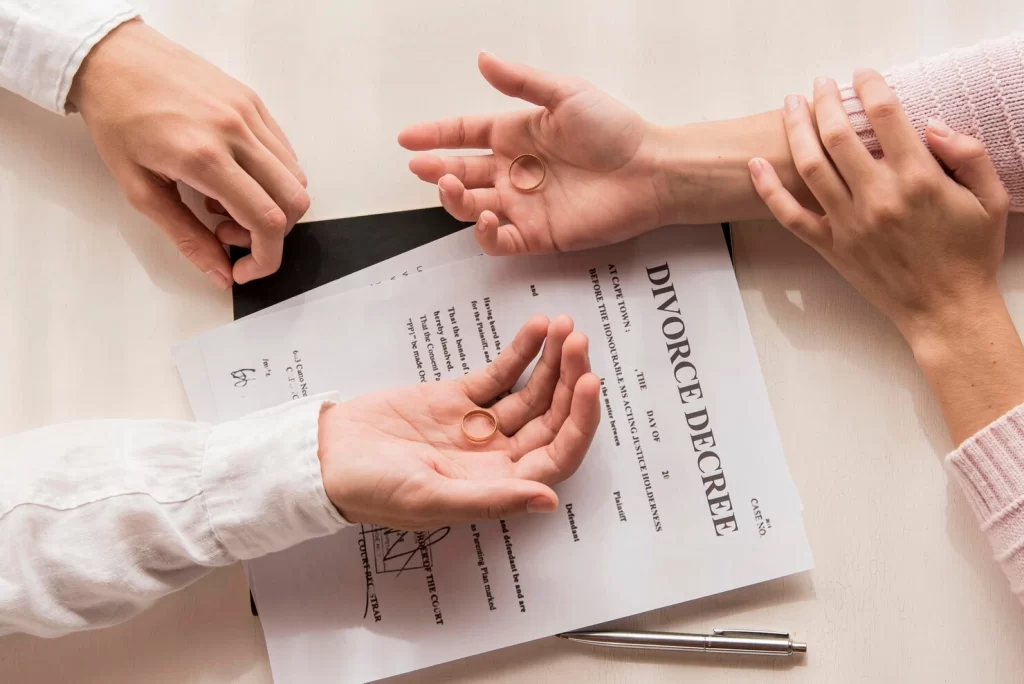



Divorce is rarely a simple decision. Even when both spouses agree that ending the marriage is the best path forward, questions about finances, children, property, and future responsibilities can quickly become complicated. One of the first legal distinctions couples encounter is whether their case will proceed as a contested or uncontested divorce. While every family situation is unique, learning how each option works can help spouses prepare for what lies ahead and make informed decisions about their next steps.
What Is an Uncontested Divorce?
An uncontested divorce occurs when both spouses generally agree on the major terms of ending their marriage. Instead of asking the court to resolve disputes, the couple works out the details together and submits an agreement for approval.
In Texas, uncontested divorces often involve agreement on issues such as:
- Division of marital property
- Child custody arrangements
- Child support
- Spousal support
- Debt allocation
- Visitation schedules
Even in cooperative situations, legal paperwork and court procedures still matter. Courts require all divorce terms to comply with state law before approving the final decree.
Common Characteristics of Uncontested Divorce
An uncontested divorce often includes:
- Fewer court appearances
- Reduced conflict between spouses
- Faster resolution timelines
- More control over settlement terms
- Lower overall litigation expenses
However, uncontested does not necessarily mean easy. Couples may still need legal guidance to ensure agreements are complete, enforceable, and fair.
What Is a Contested Divorce?
A contested divorce occurs when spouses disagree on one or more important issues related to the divorce.
Disputes may involve:
- Child custody
- Property division
- Spousal maintenance
- Parenting schedules
- Business ownership
- Retirement accounts
- Separate versus community property claims
When disagreements cannot be resolved privately, the court may need to intervene. Contested cases often involve hearings, negotiations, mediation, discovery, and possibly trial proceedings.
Common Characteristics of Contested Divorce
A contested divorce may involve:
- Multiple court hearings
- Higher emotional stress
- Longer timelines
- Increased attorney involvement
- Formal evidence gathering
- Judicial decision-making
The more issues spouses dispute, the more complex the process may become.
How Timelines Differ Between Contested and Uncontested Divorce
One major difference between a contested and uncontested divorce is the amount of time required to finalize the case.
Uncontested Divorce Timelines
Texas law imposes a mandatory 60-day waiting period after filing for divorce. In many uncontested cases, divorces may be finalized shortly after that waiting period ends if all paperwork is completed properly.
Because both parties already agree on key terms, there is often little need for extended hearings or negotiations.
Contested Divorce Timelines
Contested divorces usually take significantly longer. Some cases may continue for several months or even longer, depending on:
- Court schedules
- The number of disputed issues
- Discovery requirements
- Custody evaluations
- Settlement negotiations
- Trial preparation
Cases involving children, substantial property, or business interests may become especially time-consuming.
The Financial Differences Between the Two
Costs often differ substantially between contested and uncontested divorce proceedings.
Uncontested Divorce Costs
Uncontested divorces are generally less expensive because they typically require:
- Fewer billable attorney hours
- Less court involvement
- Minimal litigation
- Limited discovery procedures
When spouses cooperate effectively, legal expenses are often more manageable.
Contested Divorce Costs
Contested divorces may involve additional expenses related to:
- Attorney preparation
- Court hearings
- Mediation sessions
- Expert witnesses
- Financial investigations
- Custody evaluations
The longer disputes continue, the more legal costs may increase. However, some contested matters are necessary when major disagreements or fairness concerns exist.

Emotional Impact on Families
The emotional experience of divorce can vary greatly depending on the level of conflict involved.
Emotional Effects of Uncontested Divorce
Uncontested divorces may reduce emotional strain because spouses often maintain more cooperative communication throughout the process. This can be especially beneficial for parents trying to preserve healthy co-parenting relationships.
Children may also experience less stress when parents avoid prolonged courtroom conflict.
Emotional Effects of Contested Divorce
Contested divorces can become emotionally exhausting. Ongoing disagreements, repeated hearings, and uncertainty may increase anxiety and tension for both spouses and children.
In high-conflict situations, emotions sometimes affect decision-making and communication. This is one reason experienced legal guidance can become important during difficult disputes.
Property Division in Divorce Cases
Texas follows community property laws. This means most property acquired during the marriage is generally considered jointly owned by both spouses.
In Uncontested Cases
Spouses may negotiate their own property division agreements, including:
- Homes
- Vehicles
- Retirement accounts
- Savings
- Debt responsibilities
Courts often approve these agreements if they appear fair and lawful.
In Contested Cases
When spouses cannot agree, the court decides how property should be divided. Judges consider factors such as:
- Financial circumstances
- Earning capacity
- Fault in the breakup of the marriage
- Childcare responsibilities
- Separate property claims
Property disputes are one of the most common reasons divorces become contested.

Child Custody and Parenting Disputes
Child-related disagreements can significantly affect whether a divorce remains uncontested or becomes contested.
Uncontested Parenting Agreements
Parents in uncontested divorces may cooperate on:
- Custody arrangements
- Parenting schedules
- Holiday visitation
- School decisions
- Medical responsibilities
Courts still review these agreements to ensure they serve the child’s best interests.
Contested Custody Cases
Contested custody disputes may require:
- Mediation
- Psychological evaluations
- Guardian ad litem involvement
- Temporary hearings
- Witness testimony
Courts prioritize the child’s welfare above parental preferences when resolving custody disagreements.
Which Option Is Right for Your Situation?
No single divorce process works for every family. Some couples communicate effectively and resolve issues privately, while others face serious disagreements that require court intervention.
An uncontested divorce may work well when:
- Both spouses cooperate respectfully
- Financial matters are straightforward
- Parenting agreements are already established
- There are a few disputed assets
A contested divorce may become necessary when:
- One spouse refuses to cooperate
- Safety concerns exist
- Major financial disputes arise
- Custody disagreements cannot be resolved
- One party believes the proposed settlement is unfair
Understanding your legal rights and responsibilities is important regardless of which path your case takes.

At Daniel Ogbeide Law, we understand that every family faces different challenges during a contested and uncontested divorce. Our team of divorce lawyers helps clients across Friendswood, Pasadena, Clear Lake, and surrounding Texas communities navigate both cooperative settlements and high-conflict litigation with clear legal guidance and strong advocacy. Whether you need support from child custody lawyers during parenting disputes, guidance from property division lawyers involving marital assets, or advice from trusted family lawyers about your legal options, our team is prepared to help.
Get in touch with us now.