
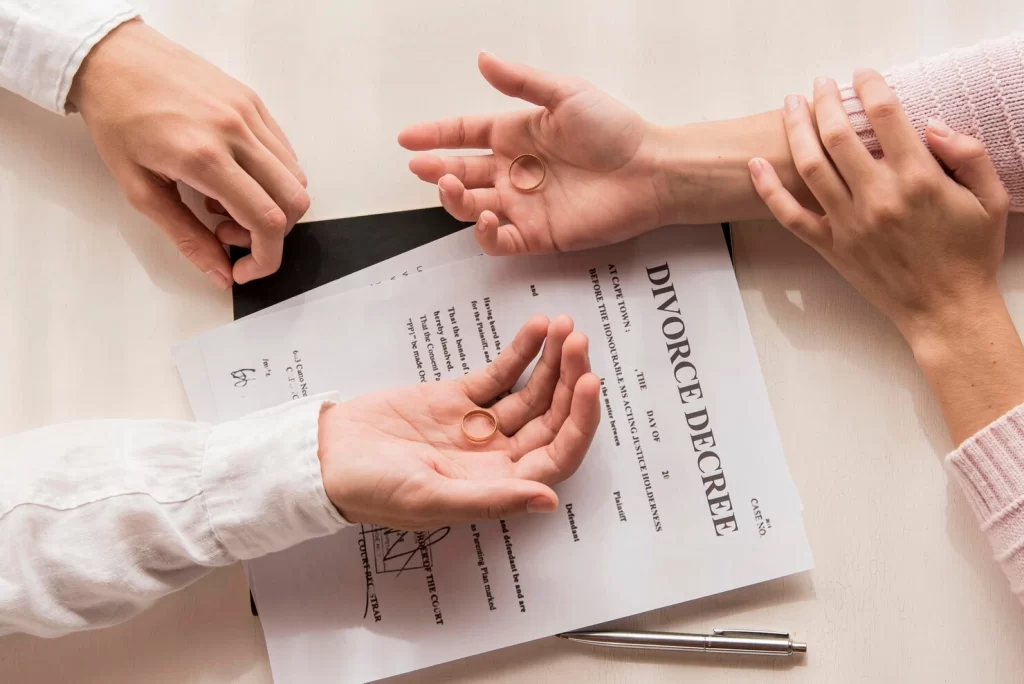



Not every disagreement in a divorce needs a judge to resolve it. In fact, most disputed issues get settled long before trial, through simple back-and-forth negotiation between spouses and their attorneys.
Negotiation in a contested divorce is often the fastest, most private, and most flexible way to resolve disagreements. It does not require giving up your case or accepting unfair terms, and it can happen alongside formal court proceedings rather than instead of them.
Here is a closer look at how negotiation actually works in a Texas contested divorce, and when it tends to succeed.
What Negotiation Looks Like in a Contested Divorce
Negotiation in contested divorce cases usually happens directly between attorneys, often through written offers, phone calls, or settlement conferences. It can start early in a case and continue right up until the day of trial.
This can include:
- Exchanging written settlement proposals covering property, custody, or support
- Informal meetings between attorneys to narrow down disputed issues
- Settlement conferences where both sides and their attorneys meet in person
- Ongoing negotiation that continues even after discovery has started
Unlike a trial, none of this happens in front of a judge. It is a private process between the parties, which gives both sides more room to explore creative solutions a court could not necessarily order.
Negotiation vs. Mediation: What’s the Difference
These terms often get used interchangeably, but they describe different processes.
Negotiation typically happens directly between spouses or their attorneys, without a neutral third party involved. Mediation, by contrast, involves a trained mediator who helps guide both sides toward an agreement and is sometimes required by the court under the Texas Alternative Dispute Resolution statute.
Many cases actually use both. Attorneys negotiate informally throughout the case, often resolving property division or other straightforward issues on their own, and if certain issues remain unresolved, mediation often becomes the next step before trial. Thinking of the two as separate stages of the same process, rather than competing options, usually leads to a more realistic strategy.
Why Negotiation Often Works, Even in Contested Cases
Negotiation in a contested divorce offers several advantages over letting a judge decide every issue.
Spouses who negotiate directly tend to benefit from:
- More control over the outcome, rather than leaving decisions entirely to a judge
- Greater privacy, since negotiations are not part of the public court record
- Lower costs and faster resolution compared to a full trial
- Flexibility to reach creative solutions a court might not order on its own
These advantages do not disappear simply because a case is technically contested. Many contested divorces still resolve the majority of their issues through negotiation, with only a narrow set of disputes actually requiring a judge’s decision.

When Negotiation Has Limits
Negotiation does not work in every situation. It generally struggles when one spouse negotiates in bad faith, refuses to disclose financial information, or simply will not compromise on any point, no matter how reasonable the terms being offered.
Unsure whether negotiation is realistic in your specific situation? Our FAQs page covers common questions about contested divorce, or you can contact our team directly to talk through your case.
Power imbalances can also complicate negotiation, particularly in situations involving a history of controlling behavior. In these cases, a more structured process, such as mediation or litigation, often protects both spouses better than informal back-and-forth.
Preparing for Productive Negotiation
Negotiation works best when both spouses approach it with realistic expectations and organized information. Walking into a negotiation unprepared often means leaving value on the table, even when the other side is willing to compromise.
Before entering a negotiation, it helps to:
- Gather financial documentation supporting your position
- Identify your true priorities versus points you are willing to compromise on
- Understand what a court would likely order if the case went to trial instead
- Stay focused on long-term outcomes rather than short-term frustration
A child custody lawyer in Houston, TX can help you think through which parenting terms are worth negotiating firmly on, and which ones have more flexibility.

What Happens If Negotiation Fails
If negotiation in a contested divorce does not resolve every issue, the case does not start over. Discovery, documentation, and any progress already made typically carry forward into mediation or trial.
A Houston contested divorce attorney can help pick up where negotiation left off, often narrowing the remaining disagreements down to just a few key issues before a final hearing becomes necessary. Even partial progress made during negotiation can shorten how long the rest of the case takes.

Talk to a Divorce Lawyer in Houston, TX, About Your Options
Negotiation in a contested divorce can save time, money, and stress, but only when it is approached strategically. Going in with a clear sense of your priorities and realistic expectations about what a court would likely order puts you in a stronger position at the table. A contested divorce attorney in Houston can help you understand what a fair settlement actually looks like before you agree to anything.
At Daniel Ogbeide Law, our team works with clients throughout the Houston area to negotiate strong settlements while staying fully prepared for litigation if negotiation does not succeed. Contact our team today to discuss your case and what a realistic settlement might look like for your situation.