
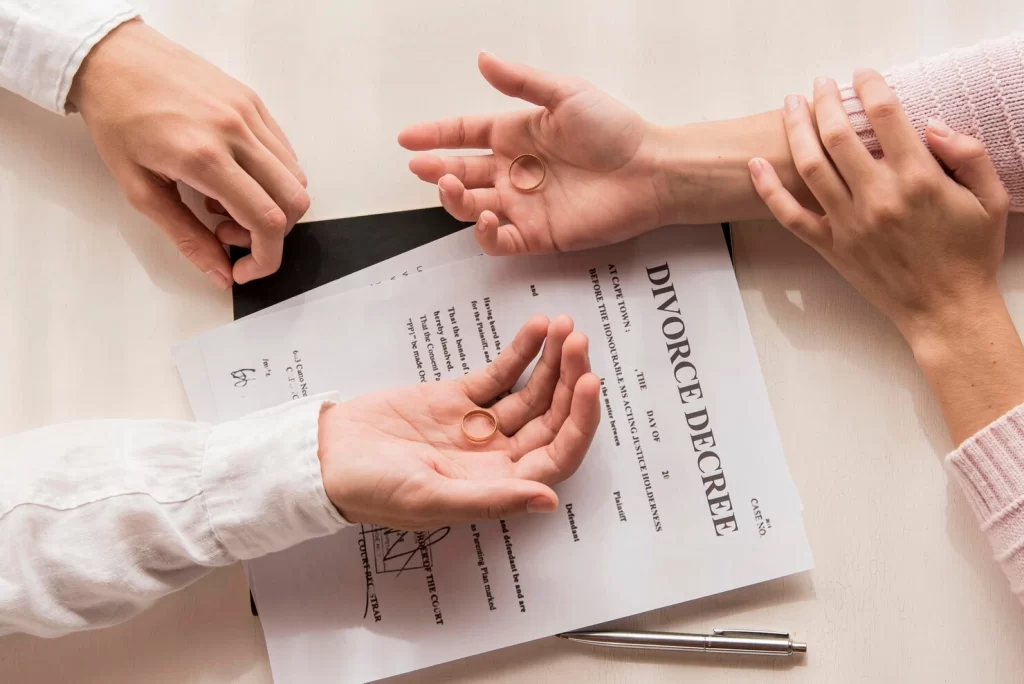



Not every divorce follows the same path through the legal system. Understanding contested vs uncontested divorce is often the first step for spouses trying to figure out what their case will actually look like, how long it might take, and what it may cost along the way. A contested divorce attorney in Houston and an uncontested divorce attorney in Houston handle very different kinds of cases, even though both are technically ending a marriage under the same set of Texas laws.
This guide walks through the practical differences between the two paths, including cost, timeline, and the emotional toll each one tends to carry, so spouses can have a realistic sense of what to expect before decisions are made. Many spouses enter the divorce process without knowing which category their case will ultimately fall into, and that uncertainty itself can add stress on top of an already difficult transition.
What Makes a Divorce Contested or Uncontested
The difference comes down to agreement. An uncontested divorce means both spouses agree on every major issue, including property division, debt, child custody, and support, before the case is ever filed. A contested divorce means at least one of those issues remains unresolved, which means a judge may ultimately need to decide it. Some cases start as contested and later settle once both sides negotiate a resolution, while others remain contested all the way through trial. It is worth noting that a case can be considered contested even if only one relatively small issue remains disputed, since Texas law does not distinguish between cases with one unresolved point and cases with many. This means some contested cases are actually quite close to settlement, while others involve deep disagreement across nearly every major decision a divorce requires.
How the Cost Comparison Usually Plays Out
Cost is one of the most noticeable differences between the two paths. Uncontested cases typically involve less attorney time because there is no need for extensive discovery, depositions, or multiple hearings. Contested cases, on the other hand, often require gathering financial records, hiring valuation experts for a business or property, and preparing for one or more court appearances. The more issues that remain in dispute, and the more complex the marital estate, the more time and expense a contested case tends to require compared to an uncontested one. Legal fees are not the only cost to consider either. Contested cases can also involve expert witness fees, court costs for multiple filings, and the indirect cost of time away from work to attend hearings or depositions. Spouses considering whether to negotiate a remaining issue or take it to trial often need to weigh these additional costs against what is actually at stake in the disagreement.

Timeline Differences Between the Two Paths
An uncontested divorce can often be finalized within a matter of weeks once the required waiting period has passed and the paperwork is properly prepared. A contested case can take considerably longer, sometimes stretching into many months or longer when disputes over custody, property, or support require multiple hearings before a resolution is reached. Court schedules, the complexity of the issues involved, and how cooperative both spouses are willing to be all affect how quickly a contested case moves toward a final decree. In some situations, a contested case can be delayed further by scheduling conflicts, the need for additional expert reports, or repeated attempts at mediation that do not immediately succeed. Spouses often underestimate how much these scheduling factors, rather than the substance of the dispute itself, can extend a case well beyond what they initially expected.
The Emotional Toll of Each Process
Beyond the practical differences, the emotional experience of each type of case tends to be quite different as well. Spouses going through an uncontested divorce often describe the process as more businesslike, since the major decisions have already been settled before anything is filed. A contested divorce, by contrast, frequently involves ongoing negotiation, unresolved tension, and sometimes direct conflict in a courtroom setting, which can be significantly more draining for both spouses and any children caught in the middle of the dispute. The uncertainty of not knowing how a judge will ultimately rule on a disputed issue can also add a layer of stress that is largely absent from an uncontested case, where both spouses already know the outcome before it is finalized. This emotional difference is one reason many spouses try to resolve as many issues as possible before filing, even in situations that ultimately still require some court involvement. Children in particular tend to benefit when parents can shield them from the more contentious aspects of a contested case, even when the underlying disagreement cannot be fully avoided.

What Typically Turns a Divorce Contested
Several issues commonly prevent spouses from reaching an uncontested agreement. Disagreements over how to divide property, especially when a home, retirement account, or business interest is involved, are among the most frequent causes. Disputes over child custody and visitation schedules can also turn an otherwise straightforward case into a contested one, particularly when parents disagree about where a child should primarily live. Spousal support, or disagreement about whether it should be paid at all, is another common sticking point that can shift a case from uncontested to contested. Even relatively minor disagreements, such as who keeps a specific piece of furniture or how a shared vehicle should be handled, can occasionally escalate into a larger dispute when communication between spouses has already broken down. In some cases, the underlying disagreement has little to do with the specific issue on the table and more to do with unresolved feelings about the marriage ending, which can make even small decisions feel much harder to reach.
When an Uncontested Case Becomes Contested
It is not unusual for a case that begins as uncontested to shift once new information comes to light, such as an asset that was not previously disclosed or a change in one spouse’s position on custody. A divorce attorney can help a client respond appropriately if this happens, since the legal strategy for a contested case is often quite different from the approach used in a straightforward, agreed divorce. Recognizing early signs of disagreement can also help a spouse prepare before a case becomes significantly more complicated. Sometimes the shift happens gradually, as one spouse begins to reconsider terms they initially agreed to, and other times it happens abruptly, following a single disputed discovery or disagreement that neither spouse anticipated at the outset.

Mediation as a Middle Ground Between the Two
Many divorces do not fit neatly into either category from start to finish. Mediation offers a structured way for spouses to work through disputed issues with the help of a neutral third party, often avoiding the need for a full trial even when the case started contested. A divorce lawyer can help a client prepare for mediation by identifying priorities in advance and understanding which issues may have room for compromise. Successful mediation can convert what began as a contested case into something closer to an uncontested resolution, without either spouse ever needing to testify in front of a judge. Many Texas courts now require at least an attempt at mediation before a contested case can proceed to trial, which means most spouses will encounter this option at some point regardless of how their case initially began.
What a Contested Divorce Process Typically Involves
A contested case generally involves formal discovery, where both spouses exchange financial records, property information, and other documentation relevant to the dispute. Depending on the issues involved, the process may also include depositions, expert evaluations for business or property valuation, and temporary orders addressing custody or support while the case is pending. A contested divorce attorney prepares for the possibility of trial even while continuing to explore settlement, since many contested cases still resolve through negotiation before ever reaching a courtroom. Temporary orders are often one of the more immediate concerns in a contested case, since they determine who stays in the family home, how bills are paid, and what the custody arrangement looks like while the larger issues are still being resolved. These interim decisions can sometimes influence the outcome, which is one reason early preparation matters even before the case has fully taken shape.

What an Uncontested Divorce Process Typically Involves
An uncontested case moves through a more streamlined process once both spouses have reached agreement on every major issue. This typically involves preparing a settlement agreement, filing the required paperwork, and waiting out the mandatory waiting period before the divorce can be finalized. An uncontested divorce attorney confirms that the agreement is complete and that the paperwork accurately reflects what both spouses intended, which helps avoid delays or the need to revisit the agreement after filing. Even in an uncontested case, it is worth confirming that the paperwork addresses every relevant issue, including retirement accounts, tax filing status for the year of the divorce, and any changes to a spouse’s name, since gaps in these details can create confusion well after the case has technically closed.
Can a Contested Case Turn Into an Uncontested One
Yes, and it happens frequently. Many divorces that start contested eventually settle once both spouses, often with help from their attorneys, work through the disputed issues during negotiation or mediation. Reaching this kind of agreement partway through the process can significantly reduce both the cost and the timeline compared to continuing toward trial. Divorce lawyers on both sides often play an important role in identifying possible compromises that neither spouse may have considered on their own. In many cases, the willingness to settle increases once both spouses have a clearer picture of what a trial would actually involve, including the cost, the time commitment, and the uncertainty of leaving a final decision entirely in a judge’s hands.

Which Path Fits a Particular Situation
There is no universal answer to which type of divorce is right for a given couple, since the answer depends heavily on the specific issues involved and how willing both spouses are to negotiate. Couples with relatively simple finances and shared goals for custody are often good candidates for an uncontested divorce. Couples facing significant disagreement over major assets, parenting arrangements, or support are more likely to need the structure and protections that come with a contested process, even if a settlement is eventually reached. It also helps to consider how each spouse tends to handle conflict generally, since a couple that struggles to communicate productively outside of the legal process may find that a more structured, contested framework actually leads to a fairer outcome than trying to negotiate everything informally on their own.
Why Early Guidance Matters Either Way
Whether a case looks straightforward at the outset or clearly involves significant disagreement, getting guidance early tends to produce better outcomes. A contested divorce lawyers team can help a spouse understand what to expect if negotiations break down, while attorneys handling more agreeable cases can help confirm that an agreement is actually complete before it is finalized. Either way, understanding the likely path forward helps spouses make more informed decisions from the very beginning of the process. Thinking through the contested vs uncontested divorce question early, rather than waiting until disagreements have already hardened into fixed positions, often gives both spouses more room to negotiate a reasonable outcome while keeping legal costs and emotional strain as manageable as possible.
Talk to Our Team About Your Divorce Options
Whether your situation looks straightforward or involves significant disagreement, understanding the difference between contested vs uncontested divorce can help you plan realistically for what comes next and set expectations before the process even begins. At Daniel Ogbeide Law, we help spouses throughout Houston determine which path fits their situation and guide whether a case stays agreeable or becomes more complicated along the way as new issues surface. Our team has represented clients who worked with a best divorce attorney in Houston reputation as their standard, and we bring that same level of preparation to every case we take on, regardless of how simple or complex it may initially appear.
Contact us today to schedule a consultation and get a clear picture of what your divorce process may look like.