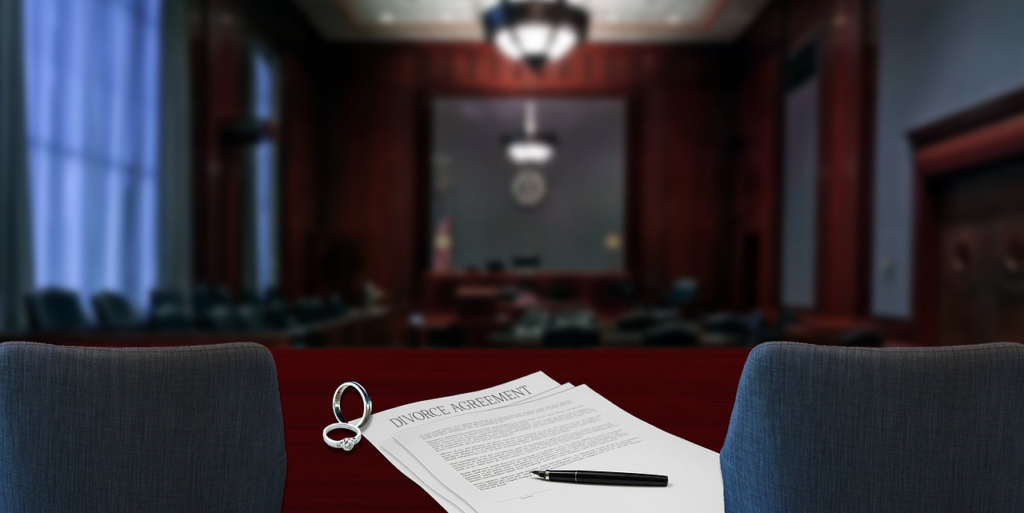
Many people think divorce simply involves discussing terms, signing paperwork, and moving forward. While that may happen in some situations, high-conflict divorces are very different. Deep disagreements over parenting, finances, or trust often make simple compromises impossible. In these cases, a family divorce lawyer does far more than prepare legal documents. They build a structured legal approach that protects important rights while helping clients make informed decisions during one of life’s most difficult periods.
What Makes a Divorce High Conflict?
High-conflict divorces usually involve ongoing disputes that cannot be resolved through ordinary conversations alone. One spouse may refuse to cooperate, hide financial information, or challenge parenting arrangements without reasonable grounds. Communication may have completely broken down, making productive discussions nearly impossible. These situations often require court involvement because informal agreements simply cannot address every disagreement.
Child Custody Disputes Require Careful Preparation
Child custody disagreements are among the most emotionally difficult parts of any contested divorce. Parents naturally want meaningful relationships with their children, yet they may strongly disagree about schedules, education, healthcare, or decision-making authority. In high-conflict situations, every conversation may become another argument, making cooperation extremely difficult. Courts focus on the child’s best interests rather than either parent’s preferences. A legal strategy helps present parenting history, communication records, school information, and other relevant evidence that supports a stable arrangement for the child while addressing concerns raised during the case.

Financial Conflicts Often Extend Beyond Simple Property Division
Financial disputes often become another major source of conflict. One spouse may believe assets have been hidden, debts have been unfairly created, or property has been improperly valued. Business ownership, retirement accounts, investments, and real estate can all become subjects of disagreement. Without a clear legal approach, valuable financial interests may be overlooked or misunderstood. Proper preparation allows financial records to be reviewed carefully, documentation to be gathered, and property issues to be addressed according to applicable family law standards rather than assumptions or emotional reactions.
Poor Communication Can Make Every Issue Harder
Communication failures also increase the difficulty of contested divorces. Some spouses refuse to answer requests for information, while others send hostile messages that create additional conflict. Misunderstandings become more common when trust has disappeared. A thoughtful legal strategy establishes organized communication methods, keeps records of important interactions, and reduces unnecessary confrontations whenever possible. This structured approach helps keep attention on resolving legal matters instead of allowing personal disputes to control every stage of the case.
Quick Settlements Are Not Always the Best Solution
Many people assume reaching an agreement quickly always saves time and money. While settlement can certainly benefit many families, accepting unfair terms simply to end the process may create lasting problems. Agreements involving parenting schedules, property division, or financial support can affect daily life for many years. Careful legal planning helps evaluate proposed settlements before they are finalized. This reduces the chance of accepting conditions that later become difficult or impossible to change.

Strong Evidence Supports Better Legal Outcomes
Evidence often becomes one of the strongest parts of any contested divorce. Financial statements, employment records, medical information, text messages, emails, photographs, calendars, and witness testimony may all play important roles depending on the issues involved. Gathering this information early allows legal arguments to be supported with facts rather than assumptions. Courts generally place significant value on reliable documentation, especially when conflicting accounts are presented by both parties.
Every High-Conflict Divorce Requires a Flexible Strategy
Every contested divorce presents different legal and personal challenges. Some cases primarily involve parenting disagreements, while others focus on complex financial matters or allegations of misconduct. Because each situation develops differently, legal strategies must remain flexible as new information becomes available. Deadlines, court procedures, and changing circumstances all require careful attention throughout the process.
Keeping Emotions Separate From Legal Decisions
Many clients also experience significant emotional stress during prolonged disputes. Anger, frustration, and uncertainty can influence important decisions if emotions take control. While emotional support from family, friends, or counselors remains valuable, legal decisions should remain based on facts, applicable law, and long-term goals. Separating emotional reactions from legal strategy often leads to stronger outcomes because decisions are made with greater clarity rather than temporary frustration.

Preparing for Court Strengthens Your Position
Preparation before court appearances can also influence the direction of a contested divorce. Understanding what documents are needed, how hearings typically proceed, and what issues the judge will consider allows clients to participate more confidently. Organized files, accurate financial disclosures, and consistent communication records strengthen legal positions while reducing unnecessary delays.
Protect Your Rights During a High-Conflict Divorce
High-conflict divorces rarely succeed through agreements alone because serious disagreements usually involve much more than paperwork.
If you need trusted legal guidance, Daniel Ogbeide Law is ready to help. Whether you are looking for a family divorce lawyer, support from a child custody attorney, or assistance from a property division lawyer in Stafford, experienced legal representation can help protect your interests while working toward a fair resolution. Contact us today.