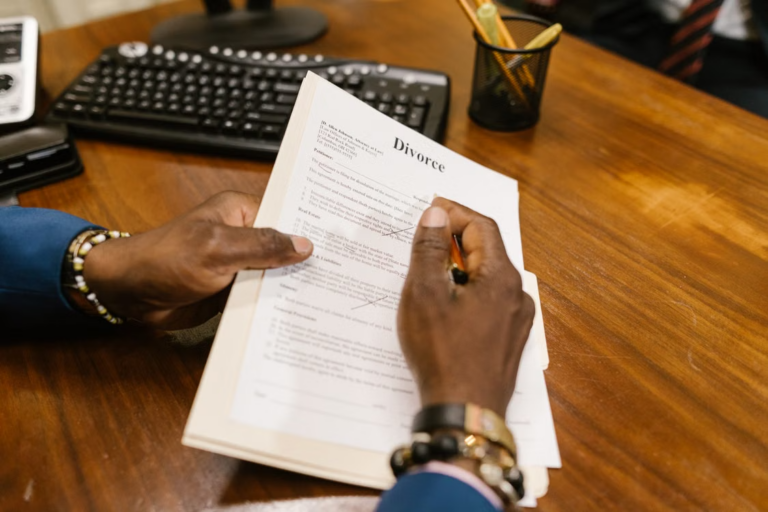
Divorce works best when both spouses cooperate. But that is not always what happens.
Sometimes a spouse will not agree to divorce terms, whether out of anger, avoidance, or genuine disagreement over what is fair. This does not mean the divorce cannot move forward.
Texas law gives you options even when your spouse refuses to cooperate. Here’s what can happen when a spouse will not agree to divorce terms and how the case can still move forward.
Why a Spouse May Refuse to Agree
There are many reasons a spouse might not agree to divorce terms. Understanding the reason can help determine how to respond. A spouse who is overwhelmed may need a different approach than one who is intentionally delaying the case.
Common reasons include:
- Emotional resistance to the marriage ending at all
- Genuine disagreement over property, custody, or support terms
- A belief that ignoring the case will somehow stop it
- Hoping to delay the process to gain leverage
- Distrust of the terms being proposed, even if reasonable
Whatever the reason, Texas courts have processes that can keep a case moving forward, even without full cooperation. One spouse cannot prevent a divorce from moving forward simply by refusing to cooperate.
What Happens If Your Spouse Won’t Respond to the Petition
After your spouse is formally served, the clock starts running. Under Texas Rules of Civil Procedure Rule 99, a respondent generally has until 10:00 a.m. on the Monday following 20 days after service to file a written answer.
If no answer is filed, you may request a default judgment. This option may apply when a spouse refuses to respond rather than actively contesting the divorce. A default judgment does not mean your requests are automatically approved.
Under Texas Family Code Section 6.701, the petition cannot simply be “taken as confessed.” You still have to prove your case with evidence, including:
- Proof that your spouse was properly served
- Evidence supporting your proposed property division
- Evidence supporting any custody or support terms requested
- A proposed Final Decree of Divorce for the judge to review
The court also still applies the standard 60-day waiting period before finalizing the divorce.. If you’re unsure how the default process might apply to your situation, our FAQs page covers common questions about unresponsive spouses, or you can reach out to our team directly for guidance specific to your case.

Requesting Temporary Orders While You Wait
While the case is pending, you do not have to simply wait for your spouse to respond. You can request temporary orders addressing urgent issues like:
- Who stays in the home
- Temporary child support or possession schedules
- Payment of shared bills
Temporary orders can bring some structure to daily life even while the larger disagreement remains unresolved. If your spouse later violates a temporary order once it is in place, an enforcement attorney in Houston can help you bring the issue back before the court.
When Your Spouse Responds But Still Won’t Agree
Sometimes a spouse files an answer but continues to disagree on the actual terms. At this point, the case becomes formally contested, even though your spouse is now participating in it.
This typically means:
- Both sides exchange information through discovery
- The court may require mediation before scheduling a trial
- Each side prepares to present evidence supporting their position
Working with family law and litigation attorneys in Houston, TX at this stage can help you build a case that holds up, whether the disagreement resolves through negotiation or ends up in front of a judge.
Mediation is often required before a contested case reaches trial. A family law mediation attorney in Houston can help you approach these sessions prepared, even when your spouse remains difficult to work with, so the session produces real progress rather than another stalemate.
Letting the Court Decide Unresolved Issues
If your spouse will not agree to divorce terms even after mediation, the case proceeds to trial. At that point, a judge reviews the evidence and makes the final decisions on whatever issues remain unresolved.
This includes dividing property in a manner the court considers “just and right,” and, if children are involved, deciding custody and support based on their best interest.
Your spouse’s refusal to cooperate does not stop the process indefinitely. It means a judge, rather than the spouses, will decide the unresolved issues.

Protecting Your Interests While the Case Moves Forward
While your case works through the system, a few simple steps can help protect your position.
Keep detailed records of communication attempts, missed deadlines, and any violations of court orders. Avoid pressure to accept unfair terms just to speed things along, even if the waiting feels frustrating. And stay engaged with each stage of the process, even when progress feels slow, since a case that looks stalled from the outside is often still moving forward procedurally behind the scenes.

Talk to a Divorce Lawyer in Houston, TX, About Your Options
If your spouse will not agree to divorce terms, you still have a clear path forward under Texas law. Learn more about how contested divorce cases proceed in Texas, or explore our broader divorce services.
At Daniel Ogbeide Law, we help clients throughout the Houston area move their case forward, whether that means pursuing a default judgment, preparing for a contested trial, or working through mediation with an uncooperative spouse. Contact our team today to talk through the options available in your specific situation.