




Divorce is never simple, but when significant wealth, real estate, and businesses are involved, the stakes rise dramatically. High-net-worth cases in Texas require an understanding of how community property laws apply to marital assets and separate property. Because Houston courts carefully evaluate financial disclosures, business valuations, and asset protection strategies, working with an experienced Houston high asset divorce lawyer ensures that rights and financial stability remain protected. Without skilled representation, families may face disputes that threaten long-term financial security and personal peace of mind.
Texas Community Property Laws and Their Effect on Wealth
Texas follows community property laws, meaning that all assets acquired during marriage are generally considered marital property subject to division. For high-net-worth couples, this includes not just homes and joint accounts but also stocks, business interests, and complex investment portfolios. While separate property, such as inheritances or gifts, may remain excluded, disputes often arise when separate assets become commingled with marital property. For example, if inherited funds were deposited into a joint account, courts may evaluate whether those funds lost their separate status.
Because community property division can significantly impact a family’s wealth, attorneys carefully track asset histories, transactions, and ownership records. The role of a property division lawyer becomes essential in ensuring accurate categorization and protection of assets that rightfully belong to one spouse.
Valuation of Businesses and Professional Practices
One of the most complicated aspects of high-asset divorce is business valuation. Whether it is a privately held company, medical practice, or law firm partnership, courts must assign an accurate value. Factors such as cash flow, goodwill, and future earning potential all come under consideration. Spouses often disagree about the worth of a company, especially when one partner has invested more time and resources than the other.
Courts may rely on forensic accountants and financial experts to provide independent valuations. Business ownership may also affect future spousal support obligations and property settlements. Experienced divorce lawyers in Houston often bring in multidisciplinary teams to present thorough documentation. Without accurate valuation, spouses risk either overpaying or losing significant portions of their financial interests.

Real Estate and Luxury Properties
In high-net-worth divorces, real estate portfolios often include not only primary residences but also vacation homes, rental properties, and commercial developments. Assigning value to these assets requires more than just looking at tax assessments; appraisers analyze market conditions, rental income, and property improvements.
Courts must also consider whether properties were acquired before or during the marriage. If separate funds were used for a down payment on a marital home, questions of reimbursement can arise. Working with a property division attorney helps ensure that all claims are presented clearly, reducing the risk of undervaluation or financial loss.

Division of Retirement Accounts and Investments
Retirement accounts, stock options, and investment portfolios are also subject to community property rules. These assets require careful division using Qualified Domestic Relations Orders (QDROs) to avoid penalties and taxes. For executives and business owners, deferred compensation packages and stock grants often complicate matters further.
Attorneys must evaluate vesting schedules, projected future earnings, and potential growth. Without accurate legal guidance, one spouse could end up losing substantial retirement security or being unfairly burdened with tax liabilities.
Tax Consequences of Asset Division
One of the most overlooked aspects of high-asset divorce is the tax impact of dividing wealth. Certain property transfers may seem fair on paper but carry significant tax liabilities for one spouse after the divorce. For example, selling stocks or liquidating investment accounts may trigger capital gains taxes that reduce the actual value of the settlement. Similarly, withdrawing from retirement accounts without a proper Qualified Domestic Relations Order (QDRO) can result in penalties and unexpected tax burdens.
Attorneys and financial advisors often work together to analyze how proposed divisions will affect long-term financial health. Couples may agree on the same value in assets but need to account for the fact that $500,000 in real estate is not equivalent to $500,000 in a retirement fund with future tax obligations. Careful planning helps prevent one spouse from unintentionally receiving less than intended.
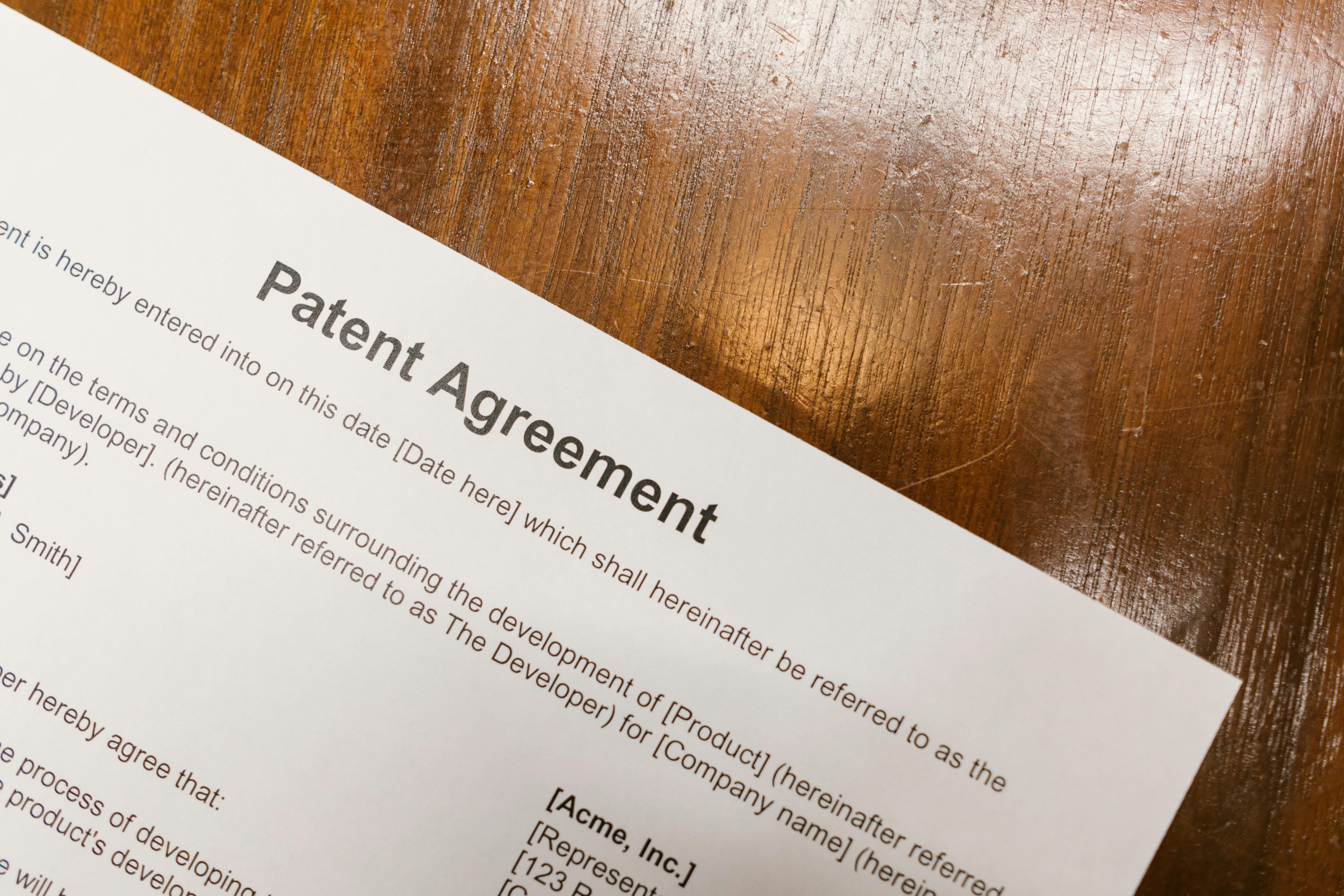
Safeguarding Intellectual Property and Royalties
High-asset divorces often involve less traditional forms of wealth, such as patents, copyrights, or royalties from creative works. Intellectual property can generate income for years, but valuing these assets requires specialized knowledge. Courts may examine licensing agreements, historical earnings, and projected future profits to assign a fair value.
Disputes often arise when one spouse claims that intellectual property developed during the marriage should remain their separate property. If marital funds were used in development, the other spouse may argue for partial ownership. By working with skilled family law and litigation attorneys, individuals ensure that intellectual property and royalties are fairly evaluated and divided in accordance with Texas community property laws.
Protecting Privacy in High-Asset Divorce
High-profile individuals and business owners often face unique concerns about confidentiality during divorce proceedings. Financial disclosures, business records, and personal details can become part of the public record unless steps are taken to protect them. In Houston, attorneys frequently request protective orders or sealed records to limit public access to sensitive information.
Private mediation or arbitration may also be used as an alternative to open courtroom litigation. These methods allow couples to address complex financial issues while minimizing public exposure. Privacy protection not only preserves reputations but also prevents competitors or business partners from gaining access to sensitive financial data.
Treatment of Inherited Assets and Gifts
While inheritances and gifts are generally considered separate property in Texas, high-asset divorces often involve disputes about whether those assets remained separate. For instance, if an inheritance was used to buy a family vacation home or invested in a joint account, the court may determine that the asset became community property.
To safeguard these assets, attorneys must provide detailed tracing of funds. Clear records help prevent misclassification and ensure that separate property rights are preserved. A family lawyer often assists clients in compiling financial documents to support these claims.

The Importance of Full Financial Disclosure
Transparency is essential in high-asset divorce proceedings. Texas courts require spouses to disclose all assets, debts, and financial interests. Attempts to conceal wealth—such as hiding funds in offshore accounts or undervaluing a business—can result in severe legal penalties.
Financial experts may be brought in to conduct forensic reviews, especially when one spouse suspects the other of misrepresentation. Attorneys ensure compliance with disclosure rules and present evidence that protects their clients from unfair settlements.
Spousal Support in High-Asset Divorce
Unlike community property, spousal support—also called alimony—is not automatically granted in Texas. Courts consider factors such as the length of the marriage, financial need, earning capacity, and misconduct like domestic violence. For wealthy couples, spousal support can become a contentious issue, particularly if one spouse sacrificed career opportunities to support the household or raise children.
An experienced spousal support attorney helps evaluate income sources, assets, and potential obligations. By presenting evidence of the standard of living and future needs, attorneys can negotiate fair agreements that balance financial realities with equitable treatment.

Mediation vs. Litigation
Many high-net-worth divorces benefit from mediation, where spouses negotiate property settlements outside of court. Mediation allows couples to maintain greater privacy, reduce costs, and craft personalized agreements. A family law mediation attorney can guide these discussions and ensure that legal rights remain protected.
However, not all cases are suitable for mediation. If there are disputes over hidden assets, business valuations, or domestic violence concerns, litigation may be necessary. In such cases, the best contested divorce attorney provides strong courtroom representation, ensuring that clients’ interests are not compromised.
Protecting Wealth Through Prenuptial and Postnuptial Agreements
High-net-worth couples often rely on prenuptial or postnuptial agreements to define how assets will be divided in the event of divorce. These agreements must meet specific legal requirements to be enforceable in Texas courts. When drafted properly, they can significantly reduce conflict and protect inherited wealth, business interests, and future earnings.
Attorneys review these agreements carefully during divorce proceedings to ensure enforceability and fairness. For couples without such agreements, courts must rely solely on community property laws, which can produce less predictable outcomes.
Common Mistakes to Avoid in High-Asset Divorce
High-asset divorces carry unique risks that can lead to long-term financial damage if not handled properly. Some of the most common mistakes include failing to disclose all assets, underestimating tax implications, and neglecting to obtain accurate valuations. Emotional decisions, such as fighting to keep a property that is financially draining, can also create hardships.
By working with seasoned divorce lawyers, families reduce these risks. Attorneys not only provide legal representation but also connect clients with financial experts who can analyze the long-term implications of settlement decisions.

Child Custody and Parenting Time in High-Asset Divorce
While financial issues dominate high-asset divorces, custody arrangements remain a core concern. Judges prioritize the best interests of the child, considering factors such as stability, education, and parental involvement. In cases where parents hold demanding careers or travel frequently, crafting parenting plans can be challenging.
An experienced child visitation attorney helps parents create schedules that meet children’s needs without disrupting family stability. Courts may also modify custody arrangements if financial changes affect a parent’s ability to provide consistent care.
Enforcement and Modification of Court Orders
Even after a divorce decree is issued, disputes can arise regarding property division, spousal support, or custody arrangements. Courts allow modifications when significant changes in circumstances occur, such as job loss, relocation, or health issues. Attorneys assist clients in filing enforcement actions to ensure compliance or seeking modifications that reflect current realities.
For families facing CPS involvement or safety concerns, representation from a CPS attorney ensures that children remain protected while parents retain their legal rights.

Building a Secure Future After Divorce
High-asset divorce is not only about division—it is also about planning for financial security in the years ahead. Families must update estate plans, revise beneficiary designations, and reassess financial goals. Attorneys guide clients through these steps, ensuring that post-divorce planning aligns with both personal and financial objectives.
Whether addressing complex property division, custody concerns, or financial disclosure, skilled representation can make the difference between long-term stability and unnecessary loss. For those facing significant financial stakes, the support of experienced family law and litigation attorneys or the best divorce attorney in Houston provides peace of mind that no detail will be overlooked.
Trust Daniel Ogbeide Law to protect your future with strong legal representation in high-asset divorce cases. Contact us today.