
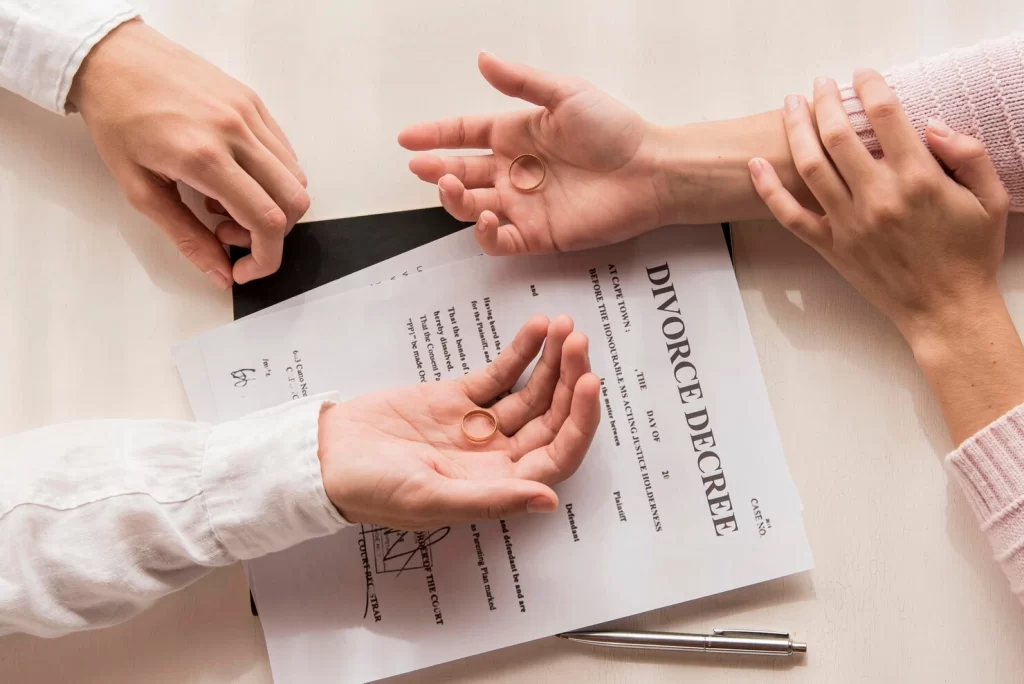



A contested divorce rarely stays contained to just property or support. When children are involved, custody almost always becomes part of the disagreement, and often the most emotionally difficult part.
Child custody in a contested divorce is decided differently than in an agreed case. Instead of parents presenting a plan they both accept, a judge may end up deciding where a child lives, who makes major decisions, and how time gets divided between households.
Careful planning early on can make a real difference in how these decisions unfold, and in how much say each parent ultimately has.
Conservatorship: Legal Custody vs. Physical Custody
Texas law does not technically use the word “custody.” Instead, it separates two distinct concepts that together make up child custody in a contested divorce: conservatorship and possession.
Conservatorship refers to a parent’s legal rights and duties, including decisions about:
- Education
- Medical care
- Psychiatric or psychological treatment
- Religious upbringing
Possession and access, by contrast, refers to the actual time a child spends with each parent. The two concepts often get discussed together, but a parent can have strong possession rights while sharing decision-making authority, or the reverse.
Under Texas Family Code Section 153.131, there is a presumption that both parents should be named joint managing conservators, sharing these rights. In a contested case, one parent may ask the court to name them sole managing conservator instead, which shifts most decision-making authority to a single parent while the other parent typically becomes a possessory conservator with visitation rights but fewer legal rights.
A child custody lawyer in Houston, TX can help you understand which arrangement is realistic given the specific facts of your case.
How Courts Decide Custody in a Contested Case
When parents cannot agree, the court applies Texas’s best interest standard to decide child custody in a contested divorce. This is not a single test, but a broad look at the child’s overall wellbeing.
Judges commonly weigh:
- The child’s physical and emotional needs, now and in the future
- Each parent’s ability to provide a stable, safe environment
- Any history of family violence, abuse, or neglect
- The child’s relationship with each parent
- Each parent’s willingness to support the child’s relationship with the other parent
No single factor automatically decides the outcome. Courts look at the full picture rather than any one issue in isolation.
The Standard Possession Order and What It Means
When parents cannot agree on a schedule, Texas courts generally default to the Standard Possession Order, or SPO, outlined in Texas Family Code Section 153.312.
The SPO typically includes:
- Weekend possession on the first, third, and fifth weekends of each month
- A weekly evening period during the school term
- Extended time during the summer
- A rotating schedule for major holidays
Courts can deviate from the SPO when it does not fit a family’s circumstances, such as long-distance parenting or unusual work schedules. A child visitation attorney can help you request a customized schedule when the standard order genuinely would not serve your child well.

Decision-Making Rights Beyond Where a Child Lives
Even when parents share fairly equal time with a child, disputes often remain over who has the final say on specific decisions.
Common areas of disagreement include:
- Which school a child attends
- Whether a child receives certain medical or mental health treatment
- Extracurricular activities and related costs
- Religious upbringing and participation
These rights can be allocated jointly, independently, or exclusively to one parent, and courts have significant flexibility in how they divide them. Legal support for child visitation in Houston often extends into these related decision-making disputes as well, since possession and decision-making frequently get negotiated together.

Why Contested Custody Cases Often Involve Extra Steps
Some contested custody disputes require more than just testimony from the parents. Under Texas Family Code Section 107.021, a court may appoint an amicus attorney, attorney ad litem, or guardian ad litem to represent the child’s interests separately from either parent’s position.
A custody evaluation may also be ordered, involving interviews, home visits, and a written report to the court. These additional steps take time, but they exist to give the judge a more complete picture before making decisions that affect a child’s daily life for years to come.
Wondering whether your case might involve one of these extra steps? Explore some FAQs for common questions.

Protecting Your Child During a Contested Case
However the legal issues unfold, a few habits help protect a child’s wellbeing throughout the process.
Keep adult conflict away from the child, avoid using them as a messenger between households, and maintain consistent routines wherever possible. Courts notice when parents prioritize stability over winning every point.
Talk to a Family Law Attorney in Houston About Custody
Child custody in a contested divorce involves real stakes for your child’s daily life and long-term wellbeing. Understanding conservatorship, possession, and decision-making rights before your case moves forward can help you advocate more effectively rather than reacting to each development as it comes.
At Daniel Ogbeide Law, our team works with clients throughout the Houston area on custody disputes connected to a divorce lawyer case or standalone custody matters. A contested divorce attorney in Houston can walk you through what a realistic outcome might look like for your family. Contact our team today to talk through what’s at stake for your family.