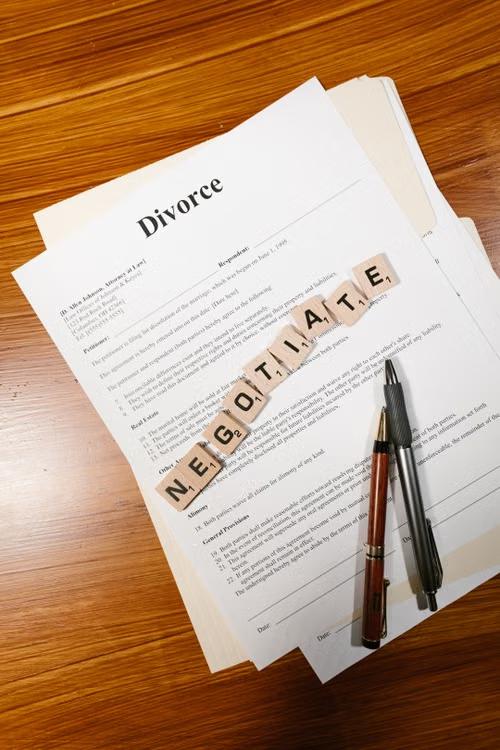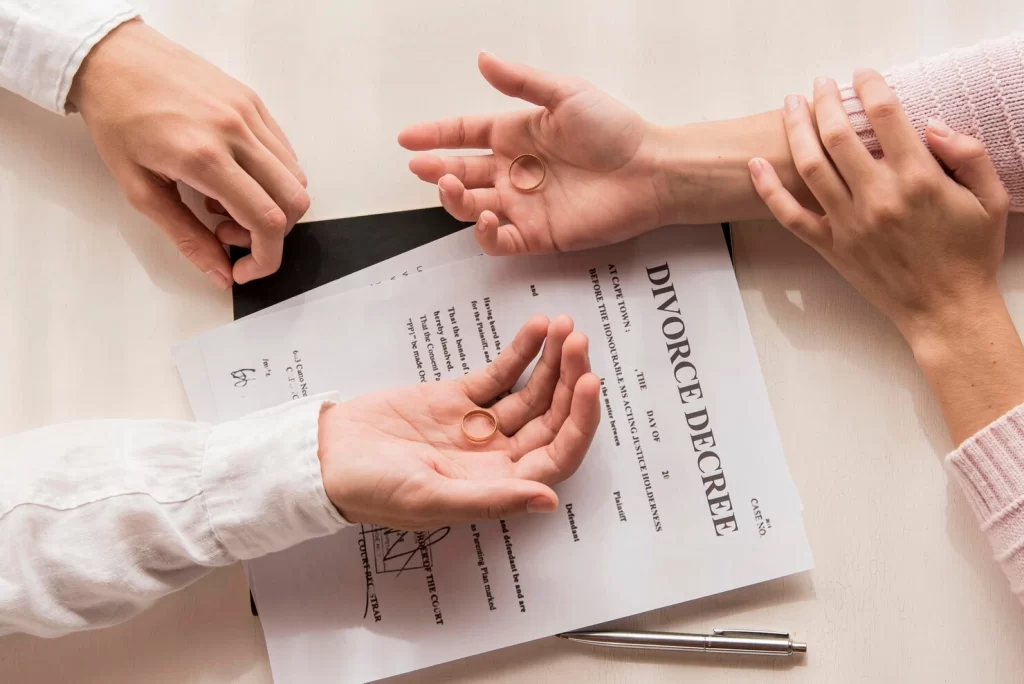

Not every dispute happens during the divorce itself. Some show up a year or two later, when circumstances change, and the original agreement suddenly seems to leave gaps nobody noticed at the time, gaps that felt irrelevant on the day everything was signed.
At Daniel Ogbeide Law, we have seen how much of a difference proper planning makes, not just for finalizing a divorce, but for how smoothly life goes afterward. Learning how to avoid future divorce disputes often comes down to decisions made during the drafting stage, long before either spouse expects a problem to arise.
Why Some Divorce Agreements Cause Problems Years Later
An agreement can look complete on the day it is signed and still leave room for disagreement down the road. This usually happens when terms rely on assumptions rather than specifics, or when the agreement never anticipated how circumstances might change, even in ordinary, predictable ways.
Learning how to avoid future divorce disputes starts with recognizing that an agreement is not just a record of what happened during the divorce. It is also a tool that needs to keep working years later, often through job changes, relocations, and children growing older.
Common Gaps That Lead to Future Disputes
Certain gaps show up again and again in agreements that later become the source of conflict, including:
- Vague property descriptions that leave room for different interpretations
- Parenting time details that do not account for schedule changes as children get older
- No plan for how a significant change in income should be handled
- Missing guidance on college costs or major extracurricular expenses
- No defined process for resolving disagreements that were not addressed in the original terms
Each of these gaps might seem minor at the time an agreement is drafted, but they tend to resurface at the worst possible moment, usually when both spouses are already dealing with a separate stressor and have the least patience for reopening old terms.
What Detailed Planning Actually Looks Like
Thorough planning does not mean anticipating every possible scenario, since no agreement can predict everything. It means addressing the situations that are reasonably foreseeable, and building in a process for handling the ones that are not.

This generally includes clear property descriptions tied to actual titles or deeds, parenting schedules with defined holiday and school-break provisions, and language that spells out how future disagreements about the agreement itself will be resolved. Under Texas Family Code Section 7.001, courts divide property in a manner they consider just and right, but that standard only works as intended when the underlying agreement is specific enough to actually apply.
The Cost of Skipping This Step
Agreements that lack specificity often become difficult, or even impossible, to enforce. According to TexasLawHelp.org, a court order generally must be clear, specific, and unambiguous before it can be enforced through contempt, which means vague terms can leave a spouse with limited options when the other party does not follow through.

An enforcement attorney can pursue formal remedies when an existing agreement is being ignored, but that process is far more difficult when the original terms were never specific enough to enforce in the first place.
In some situations, disagreements over an unclear order can escalate all the way to an appeal, where a family law appeals attorney in Houston may need to get involved to sort out how the ambiguous language should have been interpreted from the start.
Beyond enforcement, unclear agreements often require a formal modification request under Texas Family Code Chapter 156, adding time and cost that better planning could have avoided from the start.
Prevention Starts Before You File
Everything covered here matters most when it’s built into your agreement from the beginning, not added after a dispute has already surfaced. If you’re still working out the details, our guide, “Uncontested Divorce in Texas: What Couples Should Know Before Filing,” walks you through what to expect from the process itself, so you can approach the drafting stage with the right priorities already in mind.
How Legal Guidance Helps Avoid Future Divorce Disputes
A family law attorney in Houston brings a different perspective to the drafting process than either spouse can offer alone, having seen firsthand which terms tend to hold up and which ones tend to come back as disputes. That experience is often the difference between an agreement that quietly works for years and one that ends up back in court, sometimes over an issue that could have been addressed with a single additional sentence.

Build an Agreement That Actually Holds Up
Learning how to avoid future divorce disputes starts with the details addressed today, not the problems dealt with later. Our team at Daniel Ogbeide Law includes an experienced family lawyer in Houston ready to help make sure your agreement is built to last.
Reach out to our team to review your situation and put a plan in place that holds up long after the paperwork is signed.