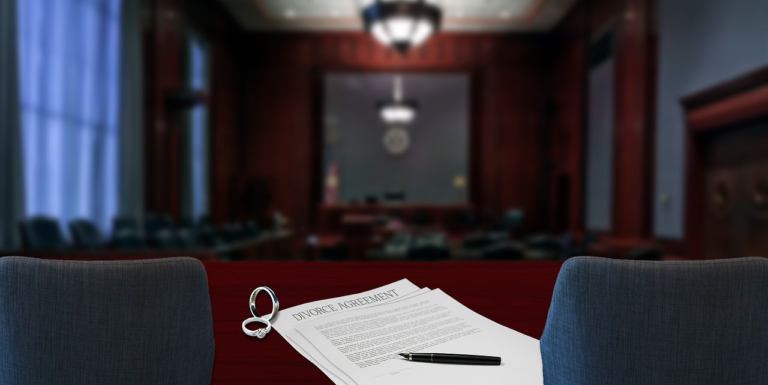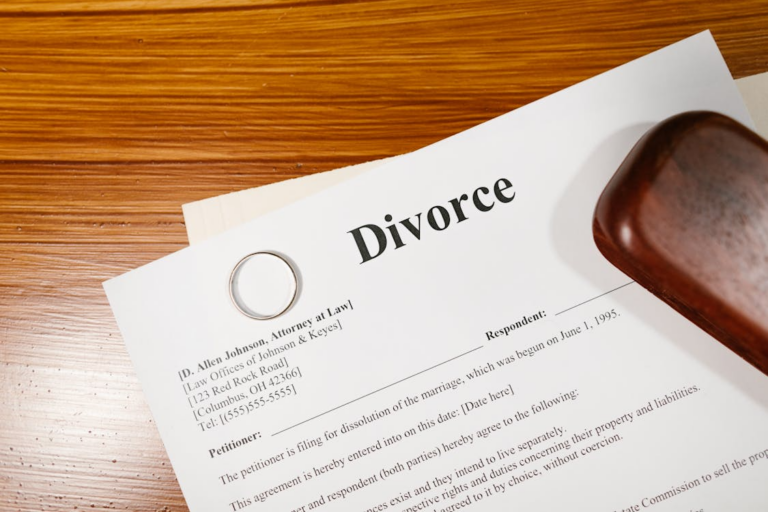
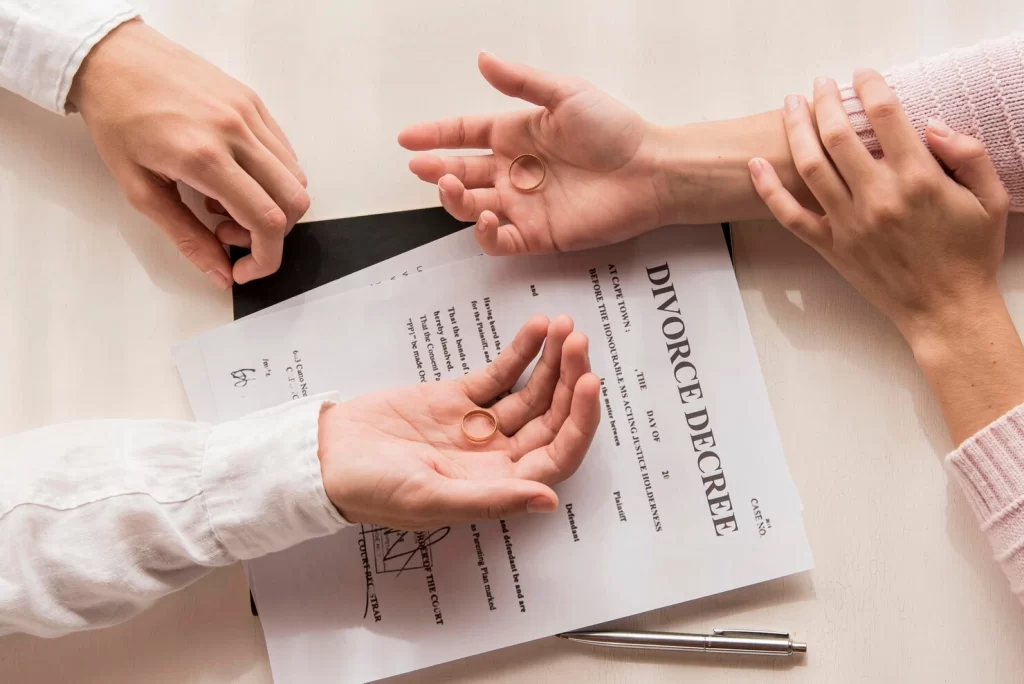



Uncontested divorce cases are often viewed as the quickest way to end a marriage, especially when both spouses agree on major issues such as property, finances, and parenting arrangements. While this option can reduce conflict and court time, it does not always guarantee a fast final outcome. Courts still require documentation, review, and waiting periods before issuing a final decree.
Many couples begin the process expecting immediate resolution, but the timeline depends on preparation, court schedules, and whether all required documents are properly completed. Even simple cases can slow down if the paperwork is incomplete or submitted incorrectly.
Working with a divorce attorney in League City can help ensure that filings are accurate from the start, reducing avoidable delays during court review.
What Makes a Divorce “Uncontested”?
A divorce is considered uncontested when both spouses agree on all major terms. This usually includes division of property, debt responsibilities, child custody arrangements, and financial support if applicable. Because there are no disputes for the court to resolve, uncontested divorce cases typically move faster than contested ones.
However, agreement alone is not enough. Courts still require formal legal documents that clearly outline the terms of the settlement. These agreements must meet state requirements and be properly filed before a judge can approve them.

Requirements for Filing an Uncontested Divorce
Before uncontested divorce cases can move forward, both spouses must meet basic filing requirements set by the court. This includes confirming that at least one spouse meets state residency rules and that all major terms are fully agreed upon in writing. The agreement should clearly outline how property, debts, custody, and support will be handled.
Courts also require complete financial disclosure from both parties to ensure fairness and transparency. If any required detail is missing or unclear, the filing may be delayed until corrections are made. Proper preparation at this stage helps reduce court rejections and keeps the process moving efficiently.
Typical Timeline for Uncontested Divorce Cases
Even in straightforward situations, uncontested divorce cases follow a structured timeline. After filing, most courts require a mandatory waiting period before the divorce can be finalized. This period allows both parties time to review their agreement and ensures that all legal requirements are satisfied.
In addition to the waiting period, the timeline can also depend on how quickly paperwork is prepared and submitted. If documents are ready and accurate, the process moves more smoothly. If corrections are needed, the case may take longer than expected.
Court availability can also affect timing. Some jurisdictions experience backlogs, which can extend the date for final hearings or approvals.
Common Causes of Delay
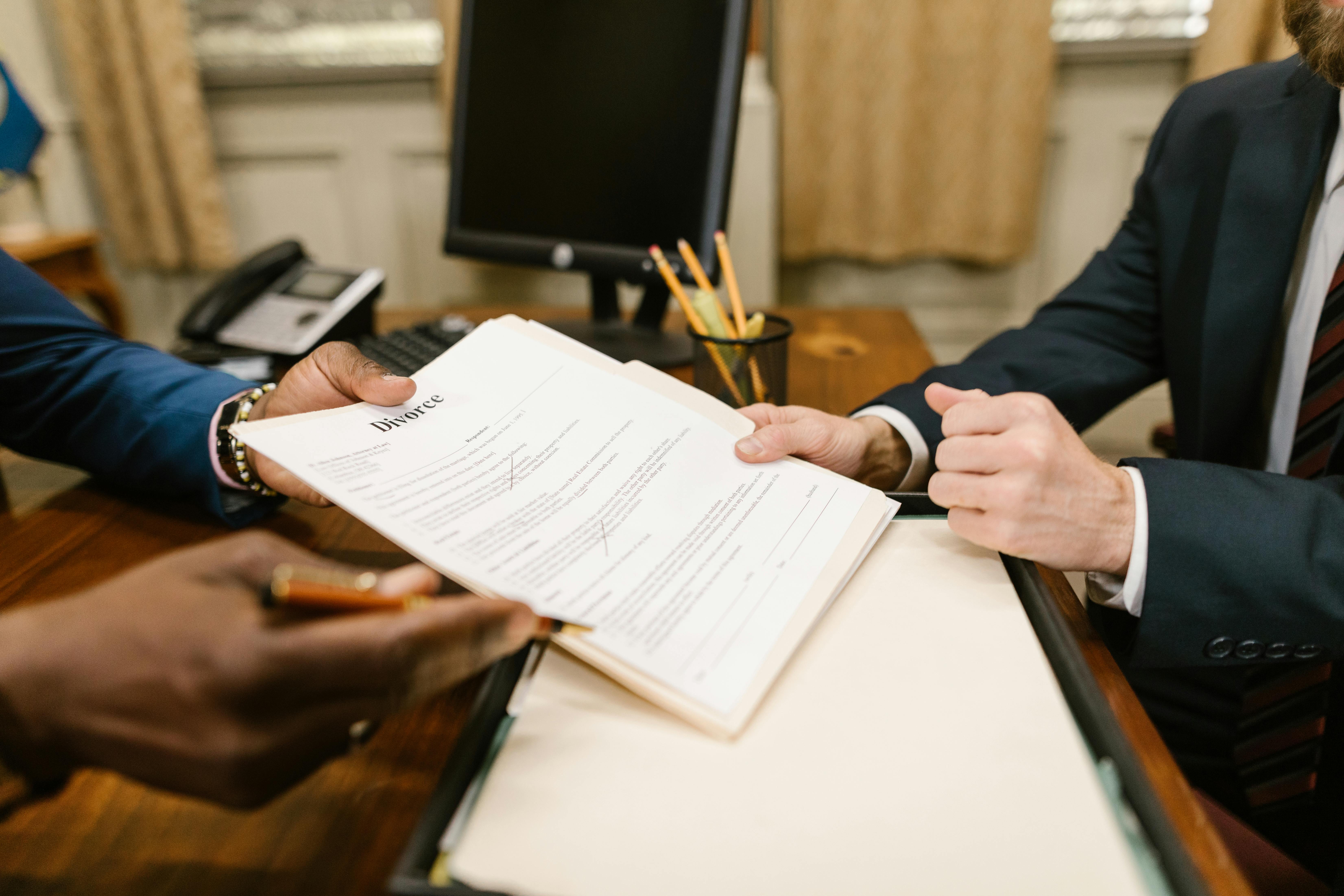
Although uncontested divorce cases are generally simpler, delays still happen for several reasons. One of the most common issues is incomplete or inaccurate paperwork. Even small errors in financial disclosures or settlement agreements can lead to additional requests from the court.
Another delay can occur when spouses initially agree but later disagree on certain terms before the final judgment is entered. In such cases, the divorce may shift from uncontested to contested, which significantly extends the process.
Delays may also arise if the required financial documents are not provided on time. Courts typically require full transparency regarding income, assets, and debts before final approval.
Role of Legal Guidance in the Process
Even when both parties agree, legal support can help keep uncontested divorce cases on track. Attorneys can ensure that documents are correctly prepared, deadlines are met, and agreements comply with court standards.
A divorce lawyer may assist individuals who need help understanding how property or financial agreements should be structured. In more complex situations, a family law firm can provide support with custody, support, and asset division matters.
Legal guidance does not eliminate waiting periods, but it can reduce errors that often cause unnecessary delays.

Guidance for Uncontested Divorce Matters
Uncontested divorce cases can be faster than contested ones, but “faster” does not always mean immediate. Court requirements, paperwork accuracy, and mandatory waiting periods all play a role in determining the final timeline. Couples who prepare carefully and maintain clear agreements are more likely to experience a smoother process.
For those in League City seeking support, Daniel Ogbeide Law can provide guidance on uncontested divorce cases, help with accurate filing, and assist with related matters involving a family law firm and a divorce attorney or lawyer in League City to help move the process forward with confidence. Contact us today.