
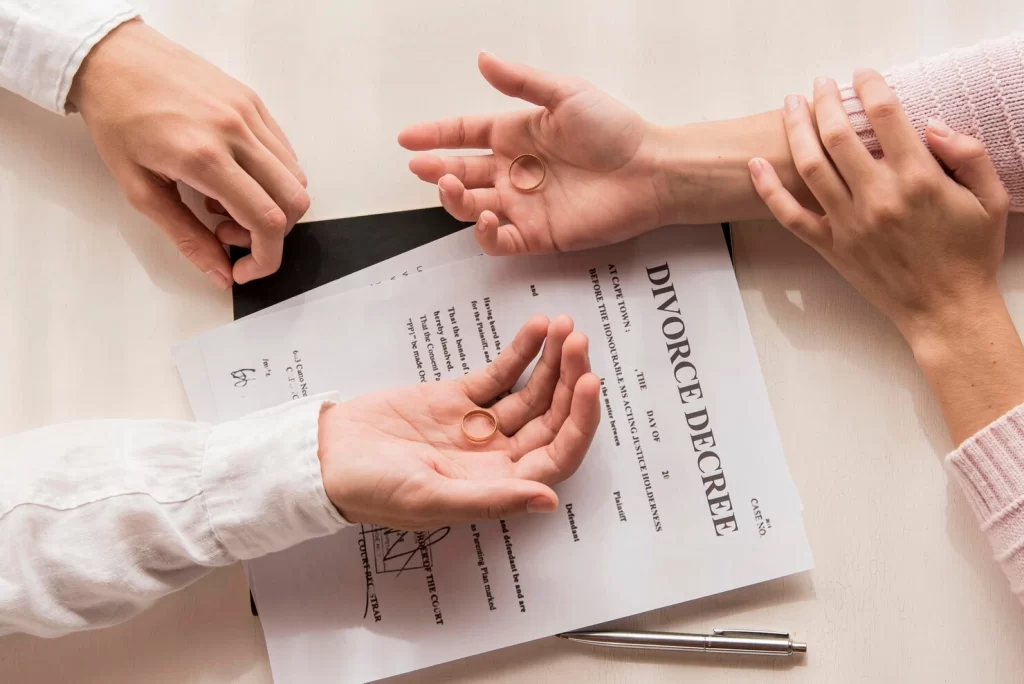



Divorce is often associated with stress, delays, and emotional strain. Yet many couples separating today are looking for a more practical way to move forward. A significant number of marriages in the United States end in divorce. For many families, lengthy courtroom disputes only add pressure during an already difficult period.
When spouses can agree on major issues, an uncontested divorce in Katy, TX may offer a more efficient path. Instead of spending months arguing over every detail, couples can focus on creating stable arrangements for children, property, and future responsibilities. This approach can help families reduce conflict and avoid unnecessary delays while still meeting Texas legal requirements.
At Daniel Ogbeide Law, we work with individuals and families who want a structured and professional approach to family law matters. Our team helps clients understand whether an uncontested divorce may fit their situation and what steps are required to complete the process properly.
In this article, we will discuss how uncontested divorce works, when it may be appropriate, and why many families choose this option to simplify the separation process.
What Is an Uncontested Divorce?
An uncontested divorce occurs when both spouses agree on the major terms of the divorce before going to trial. Instead of asking a judge to decide disputed matters, the parties submit agreed terms to the court for approval.
In most cases, spouses agree on matters such as:
- Division of marital property
- Child custody arrangements
- Parenting schedules
- Child support
- Debt responsibilities
- Spousal support, if applicable
Because the parties are not involved in ongoing disputes, the process is generally more straightforward than contested litigation.
For many families in Katy, this option provides an opportunity to resolve personal matters with less conflict and fewer court appearances.
How the Process Works in Texas
Although uncontested divorce is typically simpler, Texas courts still require spouses to follow specific legal procedures.
1. Filing the Petition
One spouse begins by filing an Original Petition for Divorce with the court. This document formally requests the divorce and outlines the basic details of the marriage.
2. Serving or Waiving Service
The other spouse must either:
- Receive formal service of the paperwork, or
- Sign a waiver acknowledging receipt
In uncontested cases, many spouses choose to sign a waiver to keep the process moving efficiently.
3. Reaching Agreements
Both spouses must fully agree on all divorce-related terms. These agreements are usually written into a Final Decree of Divorce.
If children are involved, parenting plans must also address:
- Conservatorship
- Child visitation schedules
- Child support obligations
In some situations, consulting a child visitation attorney in Katy can help parents create schedules that support consistency for children while reducing future disagreements.
4. Waiting Period
Texas law includes a mandatory 60-day waiting period after filing before a divorce can be finalized, except in limited circumstances involving family violence.
5. Final Court Approval
Once all paperwork is completed and the waiting period has passed, the judge reviews the agreement. If the court finds the terms acceptable and legally compliant, the divorce may be finalized.

Why Many Families Prefer an Uncontested Divorce
Reduced Conflict Between Spouses
One of the biggest advantages of uncontested divorce is the ability to minimize conflict. Courtroom disputes often increase tension between spouses, especially when children are involved.
When both parties cooperate, communication may remain more respectful throughout the process.
This can be especially important for parents who will continue co-parenting after the divorce is finalized.
More Efficient Resolution
Contested divorces can take significant time because of hearings, discovery requests, and scheduling issues.
By contrast, uncontested cases often move faster because the spouses have already resolved key disagreements.
For many families in Katy, a more efficient legal process allows them to begin adjusting to new routines sooner.
Greater Privacy
Court battles may involve extensive testimony and detailed disputes becoming part of the public record.
Uncontested divorce generally involves fewer court proceedings and less public exposure of personal disagreements.
Better Stability for Children
Children are often affected when parents remain in conflict for extended periods.
An agreed parenting plan can help create consistency and reduce uncertainty for children during the transition.
Working with a child visitation attorney in Katy may help parents develop schedules that support school routines, extracurricular activities, and meaningful time with both parents.
Situations Where Uncontested Divorce May Work Well
Not every divorce qualifies as uncontested. However, this option may be appropriate in several situations.
Couples With Strong Communication
Spouses who can discuss issues respectfully are often better positioned to reach agreements outside of court.
Shorter Marriages With Fewer Shared Assets
When there are limited assets or debts, resolving property division may be less complicated.
Parents Focused on Co-Parenting
Some parents prioritize reducing conflict for their children and are willing to cooperate on parenting schedules.
Couples Seeking a More Structured Process
Many people prefer resolving matters through organized agreements rather than prolonged litigation.
Still, uncontested divorce is not always appropriate. Cases involving hidden assets, domestic violence, or major disagreements may require additional legal action.

Could a Cooperative Divorce Process Help Your Family Move Forward?
Ending a marriage is rarely easy, but the legal process does not always need to become a prolonged dispute. When spouses can work together toward reasonable agreements, an uncontested divorce in Katy, TX may help reduce delays, minimize conflict, and create a smoother transition for everyone involved.
At Daniel Ogbeide Law, we assist families with family law matters involving divorce, custody, and parenting arrangements. We work closely with clients to help them understand their legal options and prepare agreements that support long-term stability.
Whether you are considering an uncontested divorce or need guidance from a child visitation attorney in Katy, our team is prepared to help you move through the process with clarity and professionalism.