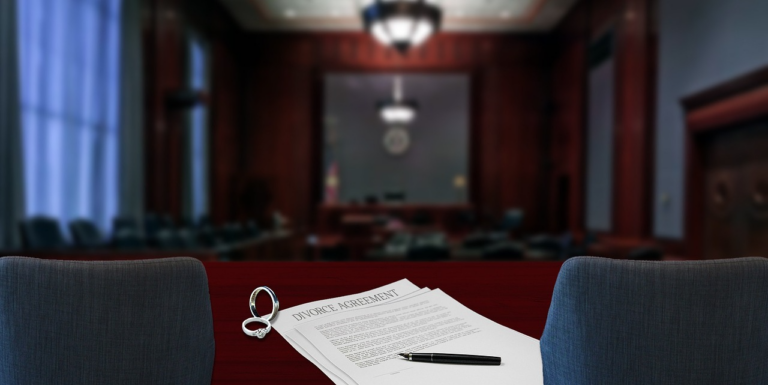

Many people continue using social media during a divorce without realizing how their online activity may affect legal proceedings. A simple photo, comment, private message, or shared location can sometimes become part of the evidence presented in court. Social media and divorce have become closely connected because digital content often provides information about finances, parenting, communication, and daily behavior. Whether you are working with a divorce lawyer or preparing for court, understanding how your online presence may influence your case is an important part of protecting your interests.
Social Media Posts Can Become Evidence
Anything shared online has the potential to appear in a divorce case. Public posts are easy to access, but even private content may become available through legal procedures under certain circumstances. Photos showing expensive purchases, vacations, or major lifestyle changes may raise questions about financial claims. Comments expressing anger or frustration may also be used to challenge credibility or decision-making. Even if a post seems harmless when published, it may later be viewed differently within the context of legal proceedings.
Private Messages Are Not Always Private
Many people believe direct messages remain completely confidential. While messaging platforms provide privacy settings, messages may still become evidence if another person saves screenshots or shares conversations during the case. Statements made in frustration can easily be taken out of context or presented alongside other evidence. It is always wise to communicate respectfully and avoid discussing legal matters through casual online conversations whenever possible.

Photos and Videos May Affect Custody Matters
Child custody decisions focus on the child’s best interests. Photos and videos posted online may influence how parenting responsibilities are viewed. Pictures showing unsafe situations, excessive partying, or behavior that appears inconsistent with statements made in court could become relevant during custody disputes. Even posts shared by friends or family members may attract attention if they involve the parent or children. Thinking carefully before posting can prevent unnecessary questions later in the process.
Financial Posts May Raise Questions
Divorce often includes discussions about income, assets, and spending. Social media activity that appears inconsistent with financial disclosures may receive additional attention. Posting pictures of luxury purchases, expensive vacations, new vehicles, or large celebrations could create questions about financial circumstances. Even if these expenses were paid by someone else or occurred before the separation, the appearance created by online content may require further explanation during legal proceedings.
Location Sharing Can Create Problems
Many social media platforms automatically include location information. Checking into restaurants, hotels, sporting events, or other destinations may provide details about daily activities. If location information conflicts with statements made during the divorce, it may affect credibility. Disabling automatic location sharing can reduce unnecessary exposure and help maintain greater privacy throughout the legal process.
Friends and Family Can Affect Your Case
Your own posts are not the only digital content that matters. Friends and relatives may tag you in photos, mention your activities, or comment about the divorce without realizing the possible legal consequences. Even if you avoid posting anything yourself, content shared by others may still become relevant. Asking family members and close friends to avoid discussing your case online is often a sensible precaution until legal matters are resolved.
Deleting Content Is Not Always the Answer
Some people attempt to remove older posts after divorce proceedings begin. While deleting unnecessary content may seem like a simple solution, removing potential evidence can create additional legal concerns in certain situations. Courts may question why information disappeared after litigation started. Instead of making sudden changes, it is generally better to seek legal guidance before altering social media accounts or deleting digital records that could relate to the case.

Think Before Every Post
During a divorce, every online interaction deserves extra consideration. Before sharing anything, ask whether the content could be misunderstood if presented in court. A joke, emotional comment, or casual photograph may seem harmless among friends but appear very different in a legal setting. Limiting social media activity throughout the case often reduces unnecessary risks and helps keep attention focused on resolving important legal issues rather than explaining online behavior.
Make Smart Decisions During Your Divorce
The connection between social media and divorce continues to grow as digital evidence becomes more common in family law proceedings. Posts, messages, photographs, and online interactions may all influence issues involving parenting, finances, and credibility. Careful decisions about your online activity can help protect your position throughout the legal process.
If you need trusted legal guidance, Daniel Ogbeide Law is here to help. Whether you are seeking a family law attorney, assistance from a child custody attorney, or support from a property division lawyer in Stafford, experienced representation can help you move forward with confidence. Contact us today.