
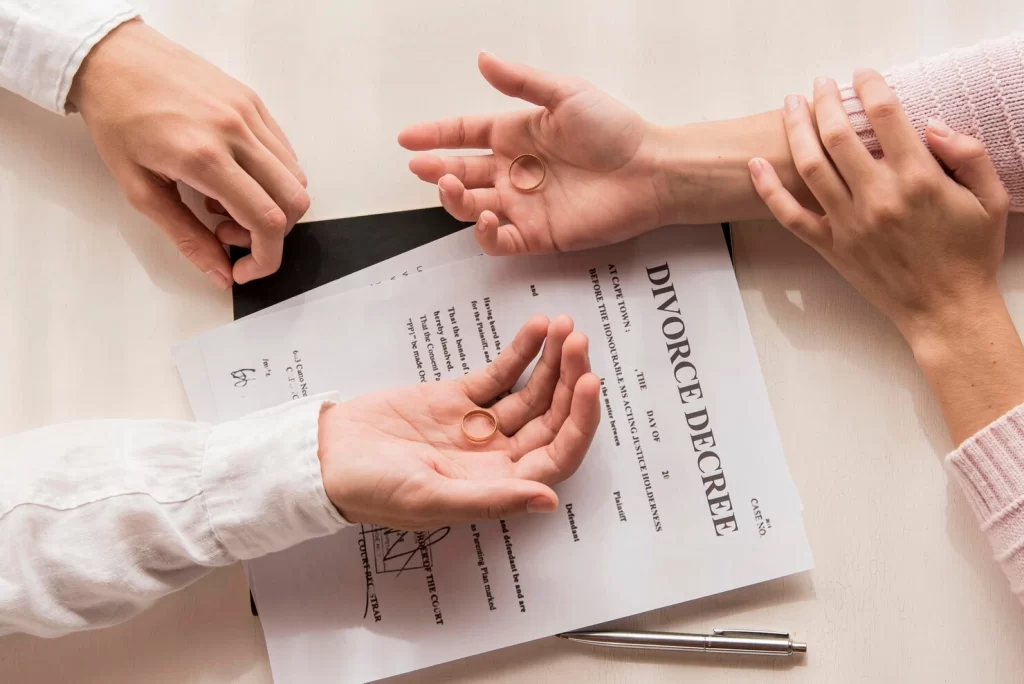



What happens when a marriage needs financial clarity after the vows have already been exchanged?
Many couples assume that legal agreements about property and finances only happen before marriage. When expectations are unclear or circumstances change, uncertainty can create tension that affects every part of a relationship.
This is where postnuptial agreements step in. At Daniel Ogbeide Law, we often work with couples who want to strengthen their marriage by putting clear legal frameworks in place. As a divorce law firm in Houston, we understand how proactive planning can reduce conflict later and provide reassurance during uncertain times.
In this article, we explain how postnuptial agreements work, when couples consider them, and why they can be a practical step for protecting both partners and their future.
What Is a Postnuptial Agreement?
A postnuptial agreement is a legally binding contract created after a couple is already married. It outlines how assets, debts, and financial responsibilities will be handled during the marriage and in the event of separation or divorce.
While similar to prenuptial agreements, the key difference lies in timing. Instead of planning before marriage, couples use postnuptial agreements to address issues that arise later.
These agreements can cover:
- Division of marital property
- Allocation of debts
- Spousal support terms
- Business ownership interests
- Financial responsibilities during the marriage
Courts generally enforce these agreements when they are entered voluntarily, with full disclosure and fairness to both parties.
Why Do Couples Choose Postnuptial Agreements?
Postnuptial agreements are not just for couples in conflict. Many use them as a proactive measure to create stability and transparency.
1. Changes in Financial Circumstances
Life rarely stays the same after marriage. A spouse may:
- Start or grow a business
- Receive an inheritance
- Experience a significant income increase
These changes can complicate property division if a marriage ends. A postnuptial agreement helps define ownership and protect individual interests.
2. Protecting Business Interests

Business owners often seek protection for their companies. Without a legal agreement, a business may become subject to division during divorce proceedings.
A postnuptial agreement can:
- Clarify whether a business is separate or marital property
- Define how profits are handled
- Prevent disputes that could disrupt operations
This is particularly relevant for those who may later require a high asset divorce lawyer in Houston, where complex financial matters are involved.
3. Addressing Marital Strain
Some couples turn to postnuptial agreements during periods of difficulty. While it may seem counterintuitive, setting clear expectations can actually help rebuild trust.
By agreeing on financial boundaries, couples can:
- Reduce uncertainty
- Prevent future disagreements
- Focus on improving the relationship
4. Planning for Children from Previous Relationships
Blended families often face unique challenges. A postnuptial agreement allows spouses to:
- Protect assets intended for children from prior relationships
- Clarify inheritance expectations
- Avoid disputes among family members later
5. Debt Protection
Debt can be just as important as assets. If one spouse has significant financial obligations, a postnuptial agreement can limit the other spouse’s liability.
This ensures that one partner is not unfairly burdened by the financial decisions of the other.
How Postnuptial Agreements Work
Understanding the process can help couples approach these agreements with confidence.
Step 1: Full Financial Disclosure
Both spouses must provide a complete picture of their finances. This includes:
- Income
- Assets
- Debts
- Investments
Transparency is essential for enforceability.
Step 2: Negotiation and Drafting
The terms of the agreement are negotiated and put into writing. Each spouse should have independent legal counsel to ensure fairness.
Working with a divorce lawyer in Houston, TX can help ensure that the agreement complies with state law and reflects both parties’ interests.
Step 3: Review and Signing
Once finalized, both parties sign the agreement voluntarily. It must not involve coercion or pressure.
Step 4: Court Consideration
While courts typically respect valid agreements, they may review them during divorce proceedings to ensure fairness at the time of enforcement.
Are Postnuptial Agreements Enforceable?
Yes, but enforceability depends on several factors. Courts will look at whether:
- Both parties entered the agreement voluntarily
- There was full financial disclosure
- The terms are fair and reasonable
- Proper legal procedures were followed
If these conditions are met, postnuptial agreements are generally upheld.
When Should You Consider a Postnuptial Agreement?
Timing matters. While these agreements can be created at any stage of marriage, certain situations make them especially relevant.
Common scenarios include:
- One spouse starts a new business
- Significant assets are acquired
- Marital difficulties arise
- There is a desire to clarify financial roles
- Estate planning becomes a priority
In some cases, couples who later face separation may find that having an agreement simplifies the process, whether they work with an uncontested divorce lawyer in Houston or require a contested divorce attorney due to disagreements.

A Step Toward Clarity and Stability
Can a legal agreement actually strengthen a marriage? In many cases, the answer is yes.
Postnuptial agreements are not about anticipating failure. They are about creating a shared understanding that protects both partners and reduces uncertainty. When expectations are clearly defined, couples are often better positioned to focus on their relationship rather than unresolved financial concerns.
At Daniel Ogbeide Law, we are committed to helping clients make informed decisions about their future. As a divorce lawyer in Houston, TX, we provide guidance on postnuptial agreements and other family law matters with a focus on clarity and long-term stability. Whether you are seeking preventive measures or facing a more complex situation, working with one of the leading family law teams can make a meaningful difference.
If you are considering a postnuptial agreement or need advice tailored to your circumstances, we encourage you to contact our office. We can help you understand your options and create an agreement that protects your interests while supporting your goals.
FAQs
1. Are postnuptial agreements legally binding?
Yes, they are legally binding if they meet requirements such as full disclosure, voluntary agreement, and fairness.
2. Can a postnuptial agreement be changed later?
Yes, couples can modify or revoke the agreement as long as both parties agree and follow proper legal procedures.
3. Do both spouses need separate attorneys?
It is strongly recommended. Independent legal advice helps ensure fairness and increases the likelihood that the agreement will be upheld.