
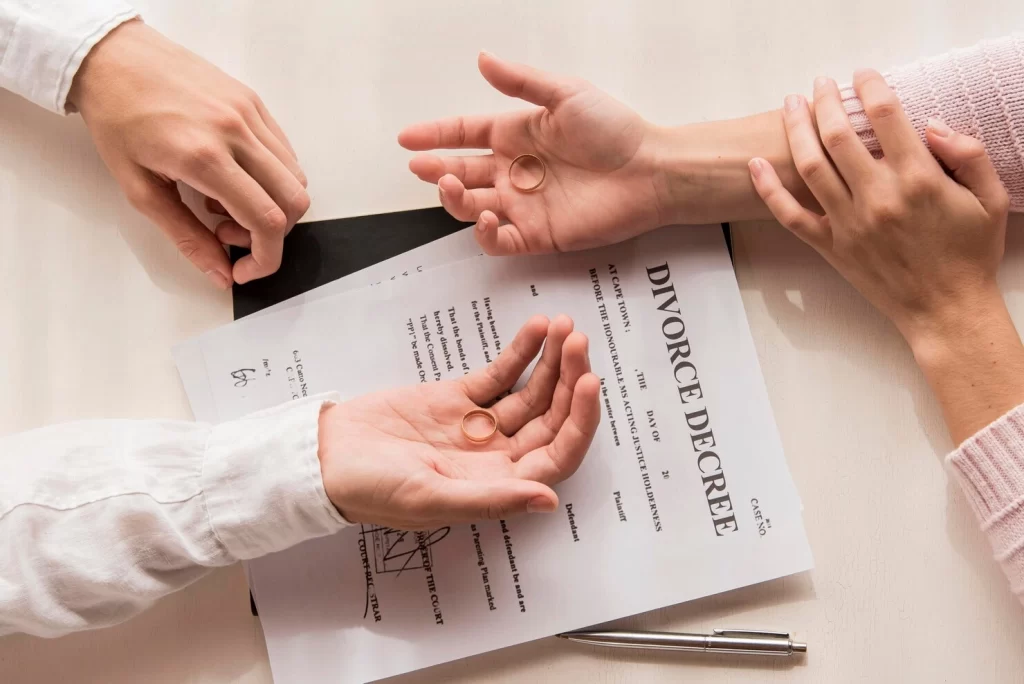



What happens when two spouses disagree about nearly everything, but neither wants a judge to make every decision for them? A divorce can begin as a bitter dispute and still end with a negotiated agreement before anyone presents evidence at trial.
At Daniel Ogbeide Law, we help clients understand their options when negotiations have broken down and determine whether settlement remains practical. As a divorce law firm in Houston, we approach contested matters with careful preparation while keeping resolution opportunities open when they serve our clients’ interests.
So, can a contested divorce turn into a settlement? Yes. Here is how that shift can happen, what commonly causes it, and what spouses should consider before deciding whether to settle.
What Makes a Divorce Contested?
A divorce becomes contested when spouses cannot agree on one or more significant issues. Those disagreements may involve:
- Division of marital property and debts
- Child custody and conservatorship
- Parenting time and possession schedules
- Child support
- Spousal maintenance
- Business interests and investments
- Retirement accounts and other financial assets
- Responsibility for separate or disputed property
A case does not have to remain contested simply because the spouses initially disagree. Positions can change as both sides obtain information, receive legal advice, and better understand what could happen if the matter reaches trial.
This is one reason working with experienced divorce lawyers in Houston can be important. A spouse may enter the case believing that only one outcome is acceptable, then reconsider after seeing the evidence and legal issues more clearly.
Why Settlement Becomes More Likely as a Case Progresses
Early disagreement does not always mean permanent disagreement. Several developments can change the conversation.
1. Both Sides Receive More Information
Discovery can reveal financial records, property documents, business information, debts, income records, and other evidence relevant to the dispute.
Information can correct assumptions. A spouse who initially believes an asset has a certain value may see the situation differently after reviewing documentation. The same can happen with debts, income, or claims involving separate property.
2. Trial Risks Become Clearer

Neither spouse controls what a judge will ultimately decide on contested issues. As attorneys prepare the evidence and assess the applicable law, each side may gain a more realistic understanding of the strengths and weaknesses of the case.
That does not mean a party should settle simply because trial presents uncertainty. It means settlement discussions can become more productive when both sides understand the risks they are accepting by continuing toward trial.
3. Mediation Creates A Structured Opportunity To Negotiate
Mediation is one of the most common ways a contested divorce can move toward settlement. Texas law encourages the peaceful resolution of disputes and early settlement through voluntary procedures. Courts can also refer pending cases to alternative dispute resolution.
A mediator does not decide who wins. Instead, the mediator helps the spouses communicate proposals and evaluate possible agreements.
Texas Bar guidance also notes that mediation can be used earlier in litigation rather than waiting until trial is approaching.
What Can Prompt a Couple to Settle?
Settlement often becomes possible when one or both spouses recognize that continued litigation may not provide the result they originally expected.
Common turning points include:
- New financial information:Records may clarify the value, ownership, or classification of assets and debts.
- A stronger understanding of trial risk:Evidence may reveal weaknesses in a party’s position.
- Progress in parenting discussions:Parents may become willing to separate major disagreements from issues that can be resolved.
- A serious settlement proposal:A well-supported proposal can give both sides a practical alternative to continuing the dispute.
- Mediation:A neutral mediator can help move discussions forward when direct negotiations have stalled.
- An approaching trial date:As trial preparation becomes more concrete, both spouses may become more willing to assess whether an agreement is preferable.
Importantly, the existence of these factors does not mean settlement is always appropriate. Some disputes require a judge to make decisions, particularly when negotiations cannot produce an acceptable agreement.
Does Settling Mean Giving Up Your Position?
Not necessarily.
Settlement means reaching an agreement on disputed issues. It does not automatically mean one spouse simply gives the other everything requested.
Negotiation usually involves competing proposals. Each side identifies its priorities, evaluates the available evidence, and decides which terms it may accept.
For example, spouses may disagree about several property issues but eventually reach agreement by resolving those issues together. Parenting arrangements may be negotiated separately from financial matters, allowing the parties to address each category without treating every disagreement as an all-or-nothing fight.
The objective should be an informed agreement, not an agreement reached simply to end an uncomfortable conversation.

The Path Forward Does Not Have to End at the Courthouse
What if the case that began with strong disagreements does not have to finish with a judge deciding every issue?
A contested divorce can change course when better information, realistic expectations, effective negotiation, and mediation create an opening for agreement. The fact that a case is contested today does not determine how it must end.
At Daniel Ogbeide Law, we help clients assess both sides of that equation. As a divorce attorney in Houston and a firm handling contested matters, we prepare cases seriously while recognizing that settlement may provide a practical resolution when the terms are right. Our experience with complex family law disputes, including high-asset matters, allows us to help clients evaluate proposals without losing sight of their legal interests.
If you are facing a contested divorce and want to know whether settlement is still possible, contact Daniel Ogbeide Law. Speaking with a contested divorce attorney in Houston can help you understand your options, assess the issues standing between you and your spouse, and determine what steps may put you in a stronger position before trial.