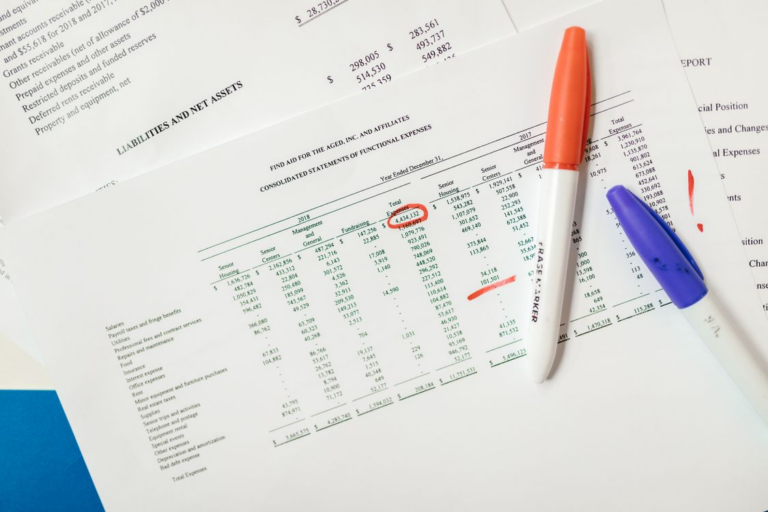
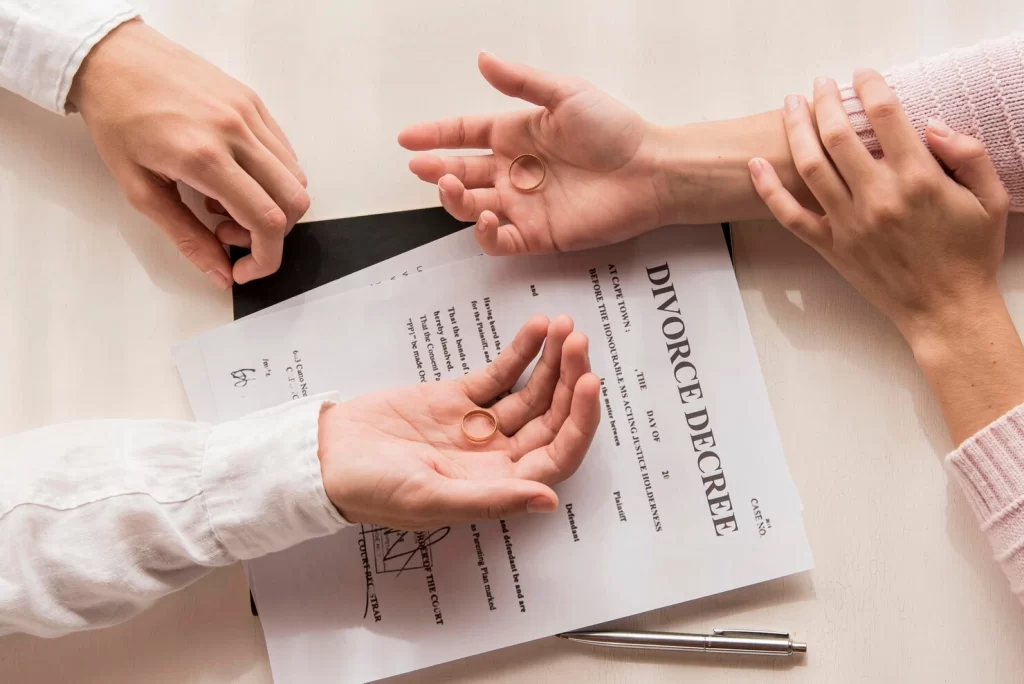


Have you ever wondered what happens if someone tries to hide assets during a divorce? The risks extend far beyond legal complications—they can fundamentally impact the outcome of your case. In divorce proceedings, transparency isn’t just recommended; it’s legally required.
Failing to disclose assets can transform a straightforward separation into a high-stakes battle. At Daniel Ogbeide Law, we work with clients facing both contested and uncontested divorces, providing guidance that ensures compliance while protecting their rights.
As one of the leading divorce attorneys in Houston, we help navigate situations involving high-asset divorce cases and cases where hiding assets is suspected.
This article examines the legal consequences of hiding assets during disclosure and offers insight into how professional legal support can mitigate these risks.
Legal Risks of Hiding Assets
Failing to disclose assets during a divorce can trigger serious legal consequences, including:
- Court Sanctions: Judges can impose penalties for withholding financial information, including fines or ordering payment of the other spouse’s legal fees.
- Reversal of Settlements: Property divisions or spousal support agreements based on incomplete disclosures can be reopened or overturned.
- Criminal Charges: In extreme cases, deliberately hiding assets may constitute fraud, leading to criminal investigations or charges.
- Loss of Credibility: Attempting to conceal assets can damage your credibility in court, affecting custody disputes or support decisions.
Common Tactics and How Courts Respond
Some spouses attempt to hide assets through:
- Offshore accounts or unreported bank balances
- Underreported income from businesses or investments
- Transferring property to relatives or friends
Courts have become increasingly vigilant, often employing forensic accountants to uncover hidden finances. Attempting to mislead the court rarely succeeds and can backfire severely.
Protecting Yourself with Professional Guidance
Whether you’re pursuing a high-asset divorce or concerned about accurate disclosure, having one of the leading uncontested divorce lawyers or contested divorce attorneys on your side can make a significant difference. At Daniel Ogbeide Law, we guide clients through full financial disclosure, ensuring compliance and minimizing exposure to legal risks.
Facing the Reality of Asset Disclosure
Could hiding assets cost you more than you realize? Transparency is essential to protect your interests and avoid prolonged legal battles. By working with us, one of the best divorce attorneys in Houston, you gain experienced guidance on high-asset divorce matters, uncovering all necessary financial information without risking penalties.
Contact Daniel Ogbeide Law to ensure your divorce process is handled with accuracy, professionalism, and protection for your future.