
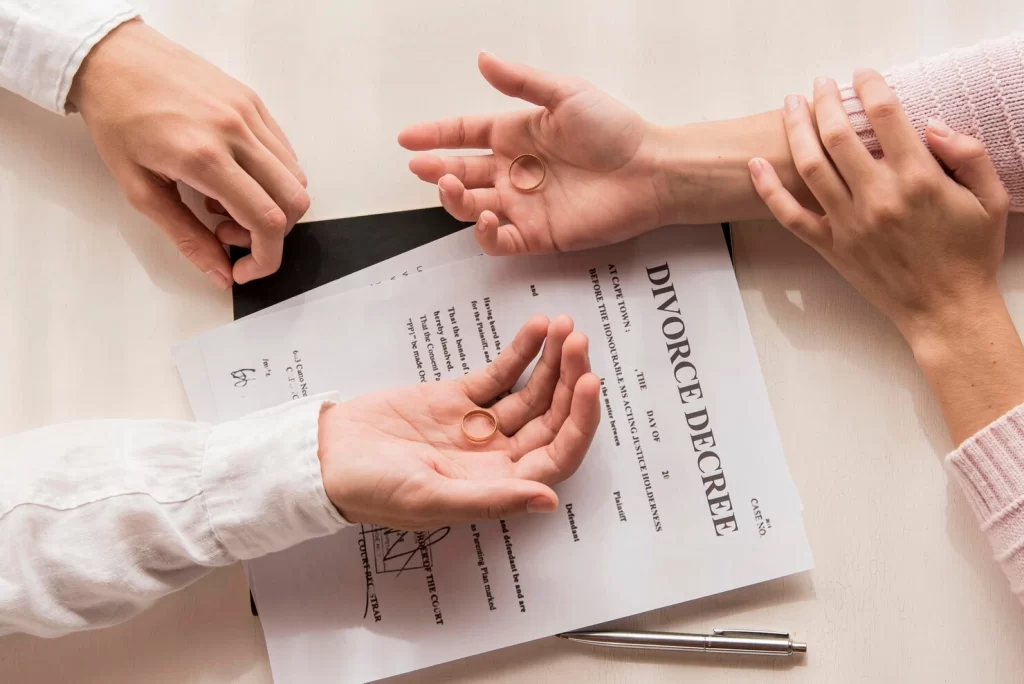



Divorce in Austin is rarely just a legal process; it is a personal transition that often involves financial concerns, parenting decisions, and emotional stress. One of the first and most important decisions spouses face is whether their case will proceed as a contested or uncontested divorce. While both routes legally end a marriage under Texas law, they differ significantly in terms of process, time, cost structure, and the level of cooperation required between spouses. Understanding these differences early can help individuals make informed decisions and avoid unnecessary delays or conflict.
In Texas, divorce cases are governed by the Texas Family Code, which allows flexibility depending on whether spouses agree on key issues such as property division, custody, and support. However, the path a case takes depends heavily on whether disagreements exist and whether they can be resolved without court intervention.
This guide breaks down both options in a clear, practical way to help individuals in Austin choose the right direction for their situation.
What Is a Contested Divorce?
A contested divorce occurs when spouses cannot agree on one or more major issues related to ending the marriage. These disputes may involve child custody, child support, division of property, spousal maintenance, or even the grounds for divorce itself.
In these cases, the court plays a central role. Each spouse typically presents evidence, and hearings or even a trial may be required before a judge makes final decisions.
A contested case often includes:
- Formal legal filings and responses
- Discovery (exchange of financial and personal information)
- Mediation attempts ordered by the court
- Court hearings or a trial if no agreement is reached
Because of the structured litigation process, contested divorces tend to be more time-consuming and require detailed legal preparation.
What Is an Uncontested Divorce?
An uncontested divorce happens when both spouses agree on all major terms of the separation before or during the legal process. This includes agreement on property division, custody arrangements, support obligations, and other key issues.
Instead of lengthy court proceedings, the couple submits a settlement agreement for judicial approval.
Typical features include:
- Mutual agreement on all terms
- Minimal court appearances
- Faster resolution process
- Less formal litigation involvement
Even though it is simpler procedurally, an uncontested case still requires proper legal documentation to ensure agreements are enforceable under Texas law.
Key Differences Between Contested and Uncontested Divorce
Understanding the practical differences between these two paths helps clarify what each option means in real life.
1. Process Complexity
A contested or uncontested divorce differs most clearly in procedure. Contested cases involve court hearings, filings, and legal arguments, while uncontested cases rely mainly on agreement and documentation.
2. Timeframe
Contested divorces often take several months to over a year, depending on court schedules and dispute complexity. Uncontested divorces are generally resolved faster when all paperwork is properly completed.
3. Cost Structure
Because contested cases involve more court time and legal preparation, they typically require greater financial resources. Uncontested cases are usually less procedurally intensive, though still legally detailed.
4. Level of Conflict
Contested cases involve higher conflict between spouses, often requiring judicial intervention. Uncontested divorces depend on cooperation and communication between both parties.

When a Contested Divorce May Be Necessary
A contested approach is often unavoidable when disagreements cannot be resolved through negotiation. This is common in situations involving:
- Disputes over child custody or visitation schedules
- Disagreements about property valuation or division
- Concerns about financial transparency
- Allegations of misconduct affecting parenting decisions
In these situations, court involvement ensures that decisions are made based on evidence and legal standards rather than informal agreement.
Texas courts prioritize the best interests of the child in custody matters, and judges carefully evaluate each parent’s circumstances before issuing orders.
When an Uncontested Divorce May Be Appropriate
An uncontested divorce may be suitable when both spouses are willing to cooperate and already share an agreement on key issues. This is more common in cases where:
- There are no major custody disputes
- Financial matters are straightforward
- Both parties want a structured but peaceful resolution
- Communication remains stable and respectful
Even when spouses agree, legal review is still important to ensure the agreement complies with Texas law and protects both parties’ long-term interests.
Choosing the Right Path
Deciding between a contested or uncontested divorce is not always straightforward. Some cases begin as uncontested but become contested when disagreements arise during negotiations.
Important considerations include:
- Level of trust between spouses
- Complexity of shared assets or debts
- Parenting arrangements and child needs
- Willingness to negotiate or compromise
Legal guidance can help clarify which path is realistic based on the facts of the case and reduce the risk of procedural setbacks.

At Daniel Ogbeide Law, we take a hands-on approach to every contested or uncontested divorce we handle. Our divorce lawyers in Austin review your situation in detail, explain your legal options clearly, and build a strategy tailored to your goals. We guide clients through negotiations, prepare all necessary filings, and represent them in court when needed. Our team provides focused divorce legal services designed to protect your rights. We work to move your case forward efficiently while keeping you informed at every stage.
Get in touch with us to hire one of the best divorce attorneys near you.