
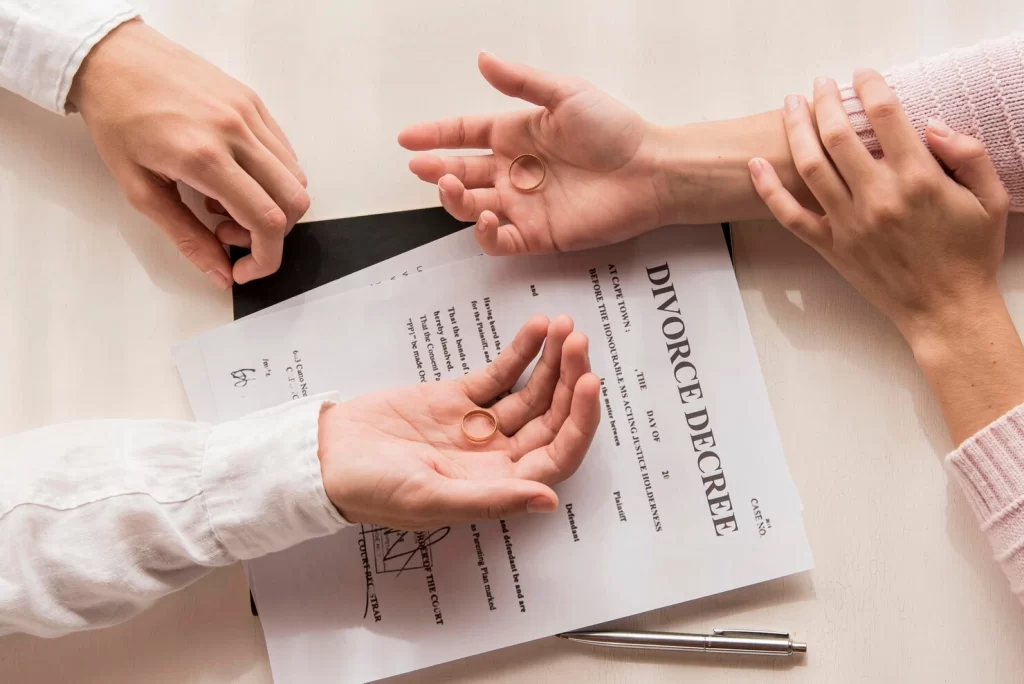



What happens when the person you are divorcing simply refuses to participate—won’t sign papers, won’t respond, and won’t show up? For many spouses, this is not a hypothetical concern. An uncooperative spouse can prolong emotional stress, increase uncertainty around finances and children, and leave the cooperative spouse feeling powerless.
At Daniel Ogbeide Law, we regularly work with individuals facing exactly this situation. As one of the leading family law firms serving the Houston area, we understand how to move a divorce forward even when the other spouse refuses to engage.
This article explains the legal steps available, how courts intervene, and what you can do to protect your rights when cooperation is off the table.
What Does It Mean When a Spouse Refuses to Cooperate?
An uncooperative spouse divorce can take several forms. Refusal does not always mean outright silence—it often includes patterns designed to stall progress.
Common examples include:
- Ignoring divorce papers or failing to file a response
- Refusing to provide financial documents
- Skipping mediation or court appearances
- Rejecting reasonable settlement discussions
- Using delay tactics to maintain control
Texas law does not allow one spouse to block a divorce indefinitely. While noncooperation can slow the process, it does not stop it.
Can a Divorce Proceed Without Both Spouses Agreeing?
Yes. Texas is a no-fault divorce state, meaning a divorce does not require mutual consent. If one spouse wants the divorce and follows proper legal procedures, the court can still dissolve the marriage.
There are two primary paths:
- Uncontested divorce, where both parties cooperate and agree on terms
- Contested divorce, where disputes or refusal require court involvement
When cooperation is missing, the case often shifts into contested territory. In these situations, working with one of the best divorce attorneys in Houston becomes essential to avoid unnecessary delays and legal missteps.
Legal Steps When a Spouse Refuses to Respond

1. Proper Service of Divorce Papers
The process begins with ensuring your spouse is formally served. Courts require proof that the other party received notice. If personal service fails, alternatives such as substituted service or publication may be permitted.
2. Waiting Period for a Response
Once served, the responding spouse has a limited timeframe to file an answer. Failure to do so opens the door to further court action.
3. Requesting a Default Judgment
If your spouse ignores the case entirely, the court may allow a default divorce. This means the judge can decide issues like property division and custody based on the evidence presented by the filing spouse alone.
Default judgments are powerful but must be handled carefully, particularly in cases involving children or substantial assets.
Court Intervention When Delays Continue
When refusal becomes strategic rather than passive, courts can step in more directly.
Judges may:
- Issue court orders compelling participation
- Impose sanctions for failure to comply
- Schedule hearings despite one party’s absence
- Make decisions based on available evidence
In complex cases such as high-asset divorce matters in the Houston area, judicial oversight plays a critical role in preventing one spouse from hiding information or manipulating timelines.
What If the Spouse Refuses to Share Financial Information?
Financial disclosure is mandatory in Texas divorces. When a spouse refuses to comply, courts can authorize formal discovery tools.
These include:
- Written interrogatories
- Requests for production of documents
- Subpoenas to banks or employers
- Depositions under oath
Noncompliance can backfire. Judges may draw negative conclusions or award a larger share of property to the cooperative spouse. This is particularly relevant in business ownership disputes or high-net-worth divorces.
Impact on Child Custody and Support
Refusal to cooperate often extends into parenting issues. Courts focus on the best interests of the child, not parental conflict.
If one parent refuses to engage:
- Temporary custody orders can be issued
- Child support may be set without agreement
- Parenting schedules can be enforced by court order
A parent’s unwillingness to participate can affect credibility in the eyes of the judge. Courts expect cooperation where children are concerned.

Can an Uncooperative Divorce Become Uncontested Later?
Yes. Many cases start as contested and later settle once the consequences of noncooperation become clear. With proper legal pressure and court deadlines, some spouses ultimately agree to terms.
At that stage, experienced uncontested divorce lawyers in Houston, TX can help finalize agreements efficiently. Even parties who initially resist may choose resolution once they understand that delay does not equal control.
Common Mistakes to Avoid When Facing a Noncooperative Spouse
When emotions run high, it is easy to make decisions that hurt your position.
Avoid:
- Informal agreements without legal backing
- Skipping court deadlines out of frustration
- Withholding information in retaliation
- Trying to handle a contested case without counsel
Whether you are seeking guidance from one of the best contested divorce attorneys in Houston or hoping to resolve matters through agreement with one of the best uncontested divorce attorneys in Houston, legal strategy matters from day one.
When Cooperation Is Gone, What’s Your Next Move?
If your spouse refuses to cooperate, should you wait—or take control of the process? Waiting often benefits the uncooperative party, not you. Texas courts provide tools to move your divorce forward, but those tools must be used correctly.
At Daniel Ogbeide Law, we guide clients through contested and uncontested divorces with clarity and purpose. We are known as one of the leading divorce law firms in the Houston area, with experience handling unresponsive spouses, complex financial matters, and sensitive family disputes. When you work with us, we focus on protecting your rights, maintaining momentum, and positioning your case for a fair resolution.
If you are dealing with a spouse who refuses to participate, contact Daniel Ogbeide Law to discuss your options and take the next step with confidence.