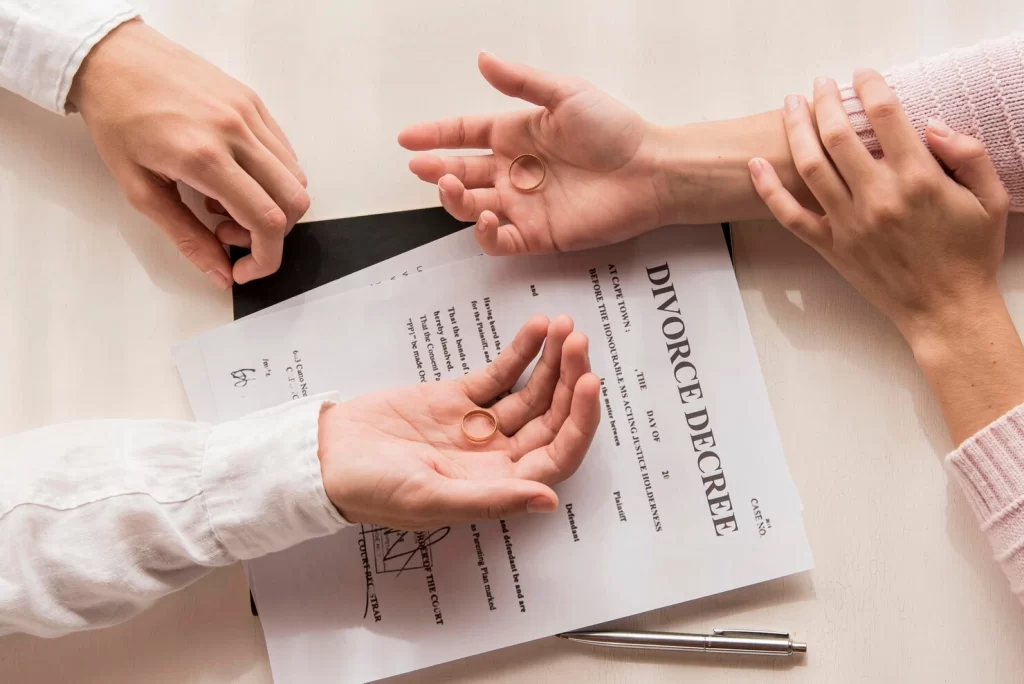
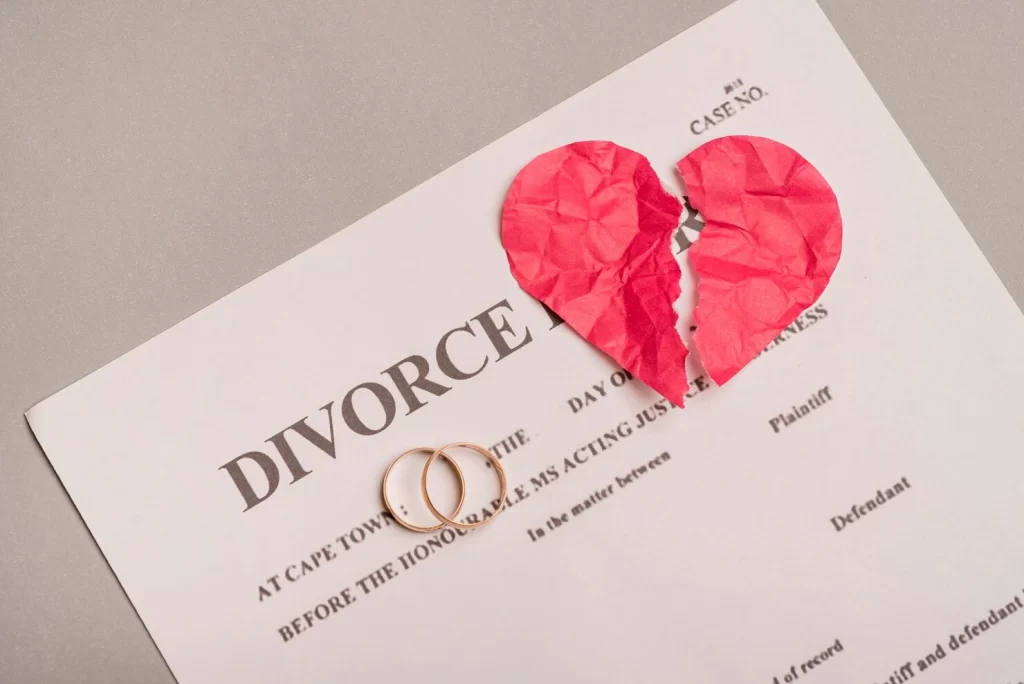

Property disputes during divorce can be one of the most stressful and complex aspects of ending a marriage. Disagreements over homes, finances, and shared assets often heighten conflict and delay resolution. Understanding the legal options available can help spouses move through the divorce process more efficiently while protecting their financial future.
This article outlines practical strategies for resolving property disputes and explains when legal intervention may be necessary.
Understanding Property Division in Divorce
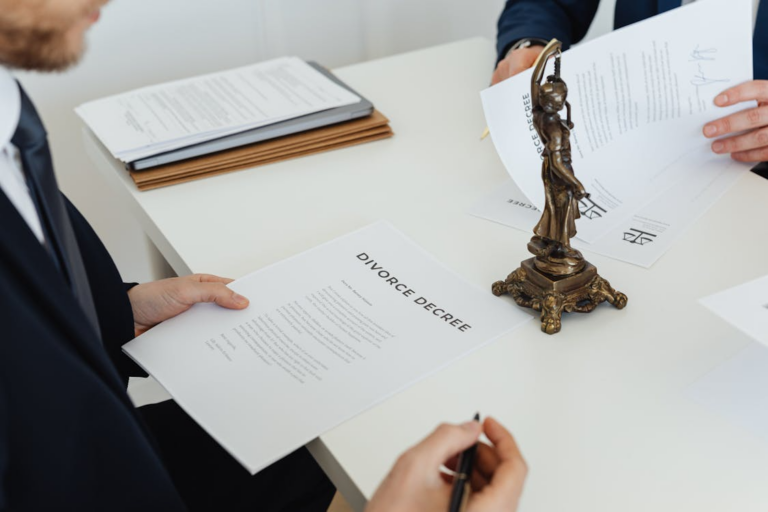
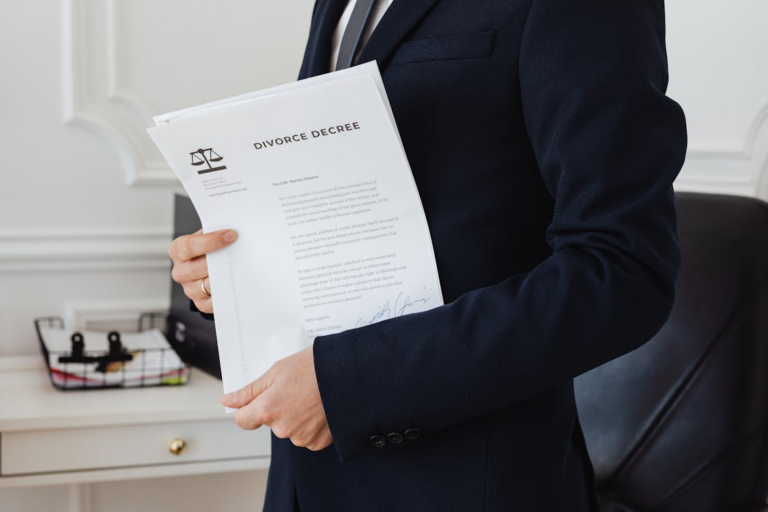
During a divorce, marital property must be identified, valued, and divided according to applicable legal standards. This process can become contentious when spouses disagree on what qualifies as marital property or how assets should be divided.
A divorce attorney or family lawyer can help ensure full financial disclosure, clarify rights and obligations, and prevent disputes from escalating unnecessarily.
Negotiation as a First Step
In many cases, property disputes can be resolved through negotiation. This approach allows spouses to maintain more control over outcomes and reduce legal costs.
Effective negotiation strategies include:
- Prioritizing long-term financial stability over short-term wins
- Being realistic about asset values and division options
- Remaining open to compromise to avoid prolonged litigation
Working with an experienced family law lawyer during negotiations helps ensure agreements are fair and legally sound.

Mediation and Alternative Dispute Resolution
When direct negotiation is unsuccessful, mediation may offer a structured environment for resolving disputes. A neutral mediator helps guide discussions and encourages practical solutions while keeping the focus on resolution rather than conflict.
Mediation is often beneficial when divorce also involves custody or child support concerns, allowing parents to preserve cooperation for the child’s benefit. Guidance from a divorce lawyer in San Antonio can help spouses prepare effectively for mediation.
Finding Practical Solutions for Property Division
Resolving property disputes during divorce requires preparation, realistic expectations, and professional guidance. Choosing the right strategy can help minimize stress, protect assets, and allow families to transition more smoothly into the next chapter.
At Daniel Ogbeide Law, clients work with a dedicated legal team focused on divorce, property division, child custody, child support, visitation, and enforcement matters. Our every case is handled by an experienced family law lawyer who prioritizes clear communication through calls, email, and text, while protecting both financial interests and the well-being of children throughout the divorce process in San Antonio.
If you are facing property disputes during divorce, working with the right legal guidance can make a difference. Contact us today to schedule a consultation and get clear, strategic support for navigating divorce and property division with confidence.