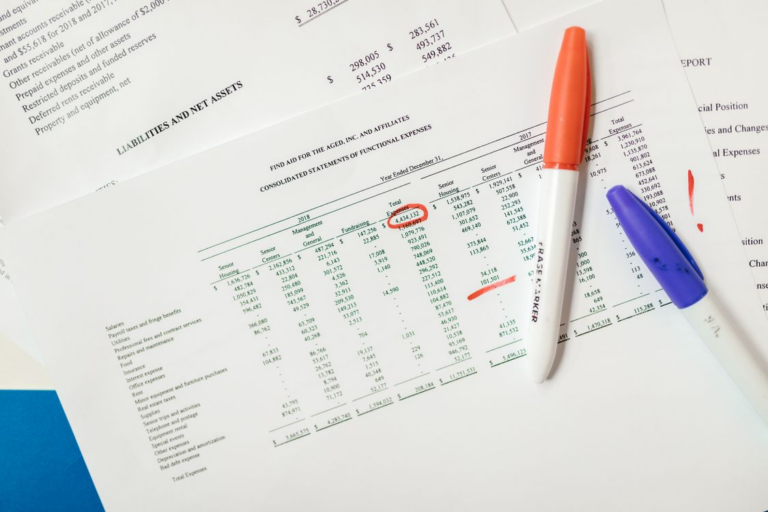




Divorce can raise difficult questions about the home you share, savings you built, and retirement funds you expected to use later in life. For spouses in Meyerland, understanding Texas property rules can make financial decisions more informed. A Meyerland property division lawyer can help identify which assets may be divided, which may remain separate, and what evidence can support your position.
How Texas Classifies Property
Texas generally separates marital property into community property and separate property. Community property includes property acquired by either spouse during the marriage, unless it qualifies as separate property. Separate property generally includes assets owned before marriage and property received during marriage by gift or inheritance. Texas law presumes property possessed by either spouse during marriage or at divorce is community property, and a spouse claiming separate ownership generally must prove that classification with clear and convincing evidence.
Because classification can affect an award, spouses should avoid assuming that an asset is separate or community property without reviewing its history, records, and source of funds.
This distinction matters because ownership is not determined simply by whose name appears on a document. A house purchased during marriage may be community property even if only one spouse is listed on the deed. Likewise, an account opened during marriage may require review of when contributions were made and where the funds came from.

How Courts Divide Community Property
Texas courts do not automatically split every asset down the middle. Under the Texas Family Code, a court must divide the marital estate in a manner it considers just and right, while considering the rights of each spouse and any children of the marriage. Factors relevant to the division can include differences in earning capacity, fault in the breakup, health, separate property, financial circumstances, and other facts supported by the evidence.
The goal is therefore a fair division rather than a simple 50/50 calculation. For example, one spouse might receive the marital home while the other receives a larger share of investment accounts or other assets to balance the overall distribution.
Real Estate and the Marital Home
A home can be one of the largest assets involved in divorce. The court may need to consider its current value, mortgage balance, equity, improvements, and whether either spouse owned an interest before marriage. If separate funds were used to acquire or improve property, documentation may become important when determining each spouse’s rights.
Possible outcomes include selling the home and dividing the proceeds, awarding the property to one spouse while offsetting the other spouse with different assets, or reaching another agreement that complies with Texas law. A clear valuation and complete financial records can help prevent misunderstandings about what the property is worth.
Retirement Accounts and Investments
Retirement benefits can also require careful review. Contributions made during the marriage may be community property even when the account belongs to only one spouse. Pre-marriage balances may have a separate component, requiring records that establish the account’s value and contributions over time.
Dividing retirement interests may involve specific legal procedures and documents. Depending on the account, a qualified domestic relations order or another appropriate order may be necessary to transfer an awarded interest without treating the division like an ordinary cash withdrawal. Professional legal guidance can help ensure the final agreement addresses these accounts correctly.

Other Assets and Debts
Property division can extend beyond a house and retirement account. Bank accounts, vehicles, investments, business interests, personal property, stock options, and certain digital assets may need to be identified and valued. Debts matter as well. Mortgages, credit cards, personal loans, and other liabilities may affect how the marital estate is divided.
Gathering records early can make the process more organized. Useful documents may include bank statements, tax returns, retirement statements, property records, loan documents, investment statements, and evidence showing when significant assets were acquired.
How a Lawyer Can Help
A family law attorney can review financial information, help classify assets, identify documentation gaps, and advocate for your interests during negotiations or litigation. When separate and community property have become mixed, tracing funds may be necessary. When spouses disagree about value, professional appraisals or financial analysis may also be useful.
Legal representation can also help prevent avoidable mistakes, such as transferring an asset without understanding its tax consequences, overlooking an account, or signing an agreement before the full marital estate has been identified. The right approach depends on the facts of the marriage, the property involved, and the evidence available.

Protecting Your Financial Future
Property division affects more than what you receive on the date your divorce becomes final. Decisions about a home, retirement savings, investments, and debt can influence your financial stability for years. Taking time to gather records and understand your rights can put you in a stronger position to make informed choices.
If you need guidance from a Meyerland divorce attorney or a property division lawyer, Daniel Ogbeide Law can help you understand your options and protect your financial interests. Contact us today.