



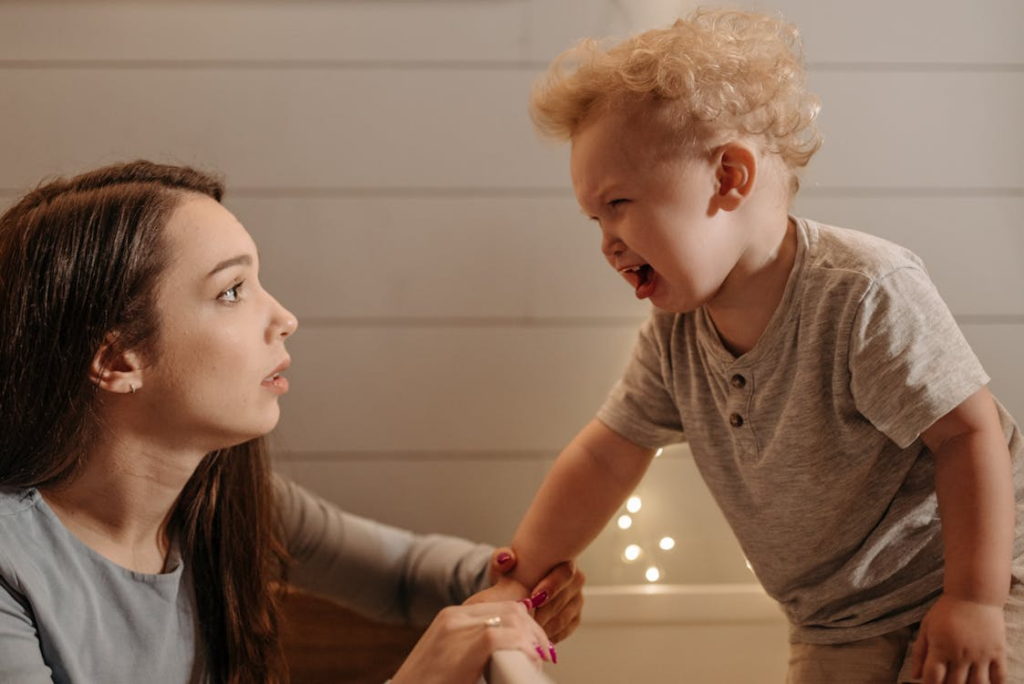
A knock at the door from a CPS caseworker can turn an ordinary day into a frightening one. Even parents who know they are caring for their children properly may suddenly start wondering whether the house is clean enough, whether the children’s bedrooms are acceptable, or whether something seemingly minor could become a major issue.
The most useful response is not panic. It is preparation.
Parents involved in a CPS investigation should understand that a home visit is not simply about judging how a house looks. The caseworker is gathering information about the child’s circumstances and assessing whether there are safety concerns that require attention.
Texas DFPS materials specifically state that home visits may involve checking the conditions of the home, asking to see where the child sleeps, and, depending on the circumstances, speaking with the child privately.
That distinction matters.
A home does not need to be spotless or perfectly organized. However, conditions that create a meaningful risk to a child can receive attention. The child’s age, developmental needs, medical needs, sleeping arrangements, supervision, household members, and the allegations that led to the investigation may all affect what the caseworker considers.
Understanding these factors can help parents prepare rationally instead of trying to make their home look perfect at the last minute.
What Is the Purpose of a CPS Home Visit?
The first thing parents should understand is why the visit is happening.
CPS investigations are designed to assess allegations involving child abuse or neglect and determine whether a child is safe. The caseworker may gather information from the child, parents, other household members, professionals, records, and observations of the child’s environment.
A home visit gives the caseworker an opportunity to see circumstances that may be difficult to understand from conversations alone.
For example, a caseworker may need to determine:
- Where the child sleeps
- Whether the home has basic necessities
- Whether obvious hazards are present
- Whether the child appears to have appropriate supervision
- Whether household members present potential safety concerns
- Whether the parent can meet the child’s daily needs
- Whether conditions in the home are consistent with information provided during the investigation
The exact focus can vary considerably from case to case.
A report involving an alleged physical injury may lead to different questions than a report involving inadequate supervision, unsafe sleeping arrangements, substance use, or domestic violence.
This is why there is no single checklist that applies identically to every CPS home visit.
1. The General Condition of the Home

One of the most obvious things a caseworker may observe is the general condition of the residence.
This does not mean parents need to spend hours making every surface spotless.
Normal family life produces clutter. Children leave toys on the floor. Laundry piles up. Dishes may be waiting to be washed. Those things, by themselves, do not necessarily indicate neglect.
The more important question is whether the condition of the home creates a meaningful safety or health concern.
A caseworker may pay attention to issues such as:
- Accumulated trash
- Severe sanitation problems
- Exposed wiring
- Dangerous structural conditions
- Accessible weapons
- Unsafe chemicals or medications
- Serious pest infestations
- Dangerous temperatures
- Fire hazards
- Blocked exits
- Other conditions that could reasonably place a child at risk
Parents should therefore focus on correcting genuine hazards rather than trying to create an artificially perfect home.
2. Where and How the Child Sleeps
Sleeping arrangements can receive particular attention.
Texas DFPS materials state that a caseworker may ask to see where the child sleeps. Texas DFPS has also reported that current policy requires caseworkers to complete a home visit and photograph the home’s condition, including the child’s sleeping arrangements, in applicable investigations.
Parents should make sure the child’s sleeping area is appropriate for the child’s age and circumstances.
Depending on the child’s age, the caseworker may be interested in:
- The location of the child’s sleeping area
- Whether the child has an appropriate place to sleep
- Whether the sleeping space is reasonably clean
- Whether there are obvious hazards around the bed or sleeping area
- Whether the arrangement raises concerns about supervision or safety
For infants, safe-sleep practices may receive particular attention.
Parents should not create a temporary sleeping arrangement solely for the visit. If the caseworker sees an arrangement that differs significantly from the child’s ordinary sleeping situation, that could create additional questions.
3. Food and Basic Necessities
Another practical issue is whether the child has access to basic necessities.
A caseworker may consider whether the child has reasonable access to:
- Food
- Clean drinking water
- Appropriate clothing
- Hygiene supplies
- Medication when medically necessary
- School supplies when appropriate
- A suitable place to sleep
- Other items needed for the child’s ordinary care
Parents do not need an elaborate pantry.
The central issue is whether the child’s basic needs are being met.
If a child has a particular medical, developmental, or dietary requirement, parents should also be prepared to explain how that need is being addressed.
4. Safety Hazards Inside the Home

A caseworker may look for physical conditions that could put a child at risk.
Examples can include:
Medications
Prescription and over-the-counter medications should be stored appropriately, particularly where young children can access them.
Cleaning Products
Household chemicals and other hazardous substances should not be readily accessible to children who could be harmed by them.
Weapons
Firearms and other weapons should be stored in a manner that prevents unauthorized access by children.
Electrical Hazards
Exposed wires, overloaded outlets, damaged electrical equipment, and other obvious hazards may raise concerns.
Fire and Exit Risks
Blocked exits, unsafe heating equipment, or other serious fire hazards can be significant.
Pools and Water Hazards
Where applicable, swimming pools, hot tubs, ponds, or other bodies of water may receive attention, particularly when young children live in or visit the home.
Parents should look at the home from a child’s perspective. What could a young child reach, open, climb, swallow, touch, or fall into?
That simple exercise can identify problems worth correcting before a visit.
5. The Child’s Behavior and Appearance
The caseworker may also observe the child.
This does not mean that every nervous, quiet, energetic, or emotional child is viewed as evidence of a problem.
Children can react differently to unfamiliar adults. Some may talk freely. Others may become shy. Some may be anxious because they know their family is under investigation.
A caseworker may nevertheless consider observations relating to the child’s general condition and behavior.
Depending on the circumstances, the worker may:
- Speak with the child
- Ask age-appropriate questions
- Observe interactions between the child and parent
- Ask about daily routines
- Ask about school or other activities
- Visually examine the child when appropriate
Texas DFPS materials explain that a caseworker may speak with a child alone depending on the child’s age.
Parents should not coach children about what to say.
Trying to rehearse answers can create additional problems and may make the child feel caught between the parent and the caseworker.
Instead, parents should encourage children to answer questions honestly and allow the caseworker to conduct the conversation appropriately.
6. How the Parent Interacts With the Child
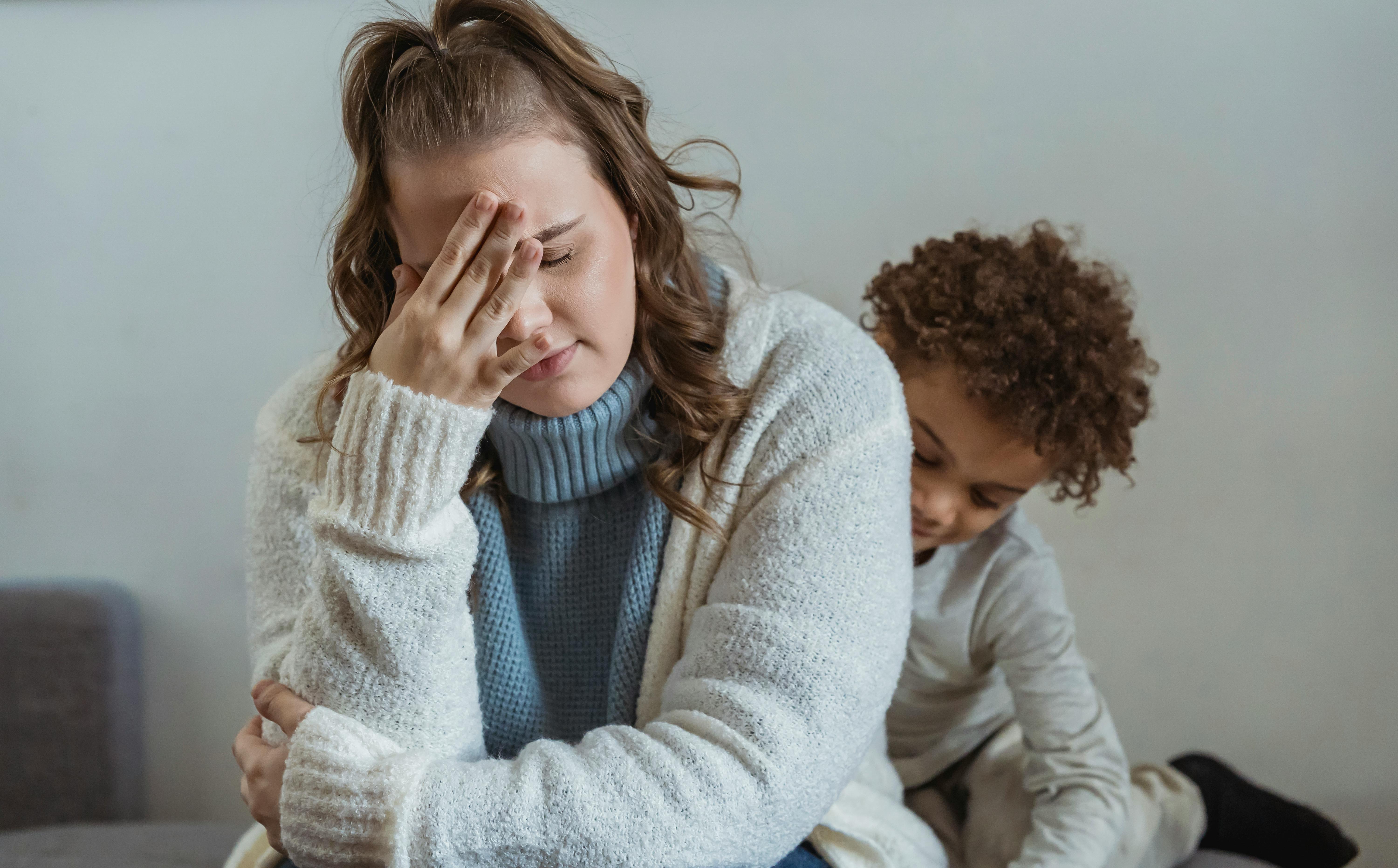
The home visit can provide information about the parent-child relationship.
A caseworker may observe whether the parent responds appropriately when the child needs something, how the parent communicates, and whether the parent appears capable of providing appropriate supervision.
DFPS guidance concerning parent-child visitation identifies factors such as the parent’s ability to manage the child’s behavior, communication, care of the child, and the child’s response to the parent.
Parents should therefore avoid putting on an artificial performance.
There is no need to constantly tell the child to behave because a caseworker is present. Normal parenting is generally more informative than a rehearsed presentation.
If the child becomes upset, the parent should respond as they ordinarily would while keeping the situation calm.
7. Who Else Lives in the Home?
Parents should also understand that CPS may be interested in other people who live in or regularly spend time in the residence.
The investigation may involve questions about:
- Other adults
- Older children
- Frequent caregivers
- Relatives
- Romantic partners
- Roommates
- Other individuals who may have significant access to the child
The reason is straightforward: a child’s safety can be affected by people other than the parent.
If a household member has a history that may be relevant to the investigation, parents should not assume that avoiding the subject will make the issue disappear.
The caseworker may obtain information from multiple sources.
8. The Child’s Medical and Educational Needs
CPS may also consider whether parents are meeting their child’s ongoing needs.
That can include medical care, dental care, therapy, education, and other services appropriate to the child’s circumstances.
Parents whose children have ongoing medical or developmental needs should keep relevant records organized.
Useful documentation may include:
- Appointment information
- Medication instructions
- School records
- Therapy records
- Individual education documentation
- Communications with medical providers
- Records showing attendance at appointments
- Documentation of services being provided
This does not mean parents need to hand over every document they possess without understanding what is being requested.
If the investigation has become serious or legal action is pending, consulting a CPS lawyer in Texas before making significant decisions can help a parent understand the legal implications of the situation.

9. The Allegation Itself Matters
One of the biggest misconceptions about CPS home visits is that the caseworker is always looking for the same things.
That is not how investigations work.
The allegations help determine what information is relevant.
For example, suppose the allegation involves inadequate supervision of a young child. The caseworker may pay particular attention to who supervises the child, where the child spends time, and potential hazards.
If the allegation concerns substance use, questions may focus on the parent’s behavior, household members, access to substances, and the effect on the child.
If the concern involves domestic violence, the caseworker may consider the child’s exposure to conflict and the safety of household members.
The home visit should therefore be viewed within the context of the entire investigation.
10. What Parents Should Do Before the Visit
Preparation should be practical, not frantic.
Start With Safety
Walk through the home and identify obvious hazards.
Look at:
- Medication storage
- Cleaning products
- Weapons
- Electrical problems
- Fire hazards
- Stairways
- Windows
- Pools and water access
- Unsafe furniture
- Sharp objects
- Dangerous tools
Address legitimate safety concerns where possible.
Check the Child’s Sleeping Area
Make sure the child’s regular sleeping arrangement is appropriate and free from obvious hazards.
Organize Important Records
Keep relevant medical, school, therapy, and other care records accessible.
Think About Household Members
Know who regularly lives in the home and who has access to the child.
Keep the Home Functional
Focus on sanitation and safety rather than cosmetic perfection.
A stack of mail or a few toys on the floor is very different from a condition that prevents a child from safely living in the home.

When You Need Someone in Your Corner
What happens when you are doing everything you can for your child but suddenly find yourself facing questions from CPS?
You do not have to make important legal decisions without understanding your position.
At Daniel Ogbeide Law, we represent parents dealing with CPS investigations, child custody disputes, modifications, and other family law matters. Our attorneys have experience handling CPS cases as well as contested custody matters and family court litigation.
If you are looking for a CPS attorney or need guidance from a CPS lawyer, we can review the circumstances of your case and explain the legal options that may be available. We can also assist parents dealing with custody issues that arise alongside CPS involvement, including situations where a child custody attorney near you in Houston may be needed.
Contact Daniel Ogbeide Law to discuss your situation and learn what steps may be appropriate for protecting your parental rights and addressing the CPS investigation. Our team offers consultations by phone or in person and can help you understand what to expect before you make decisions that could affect your family.