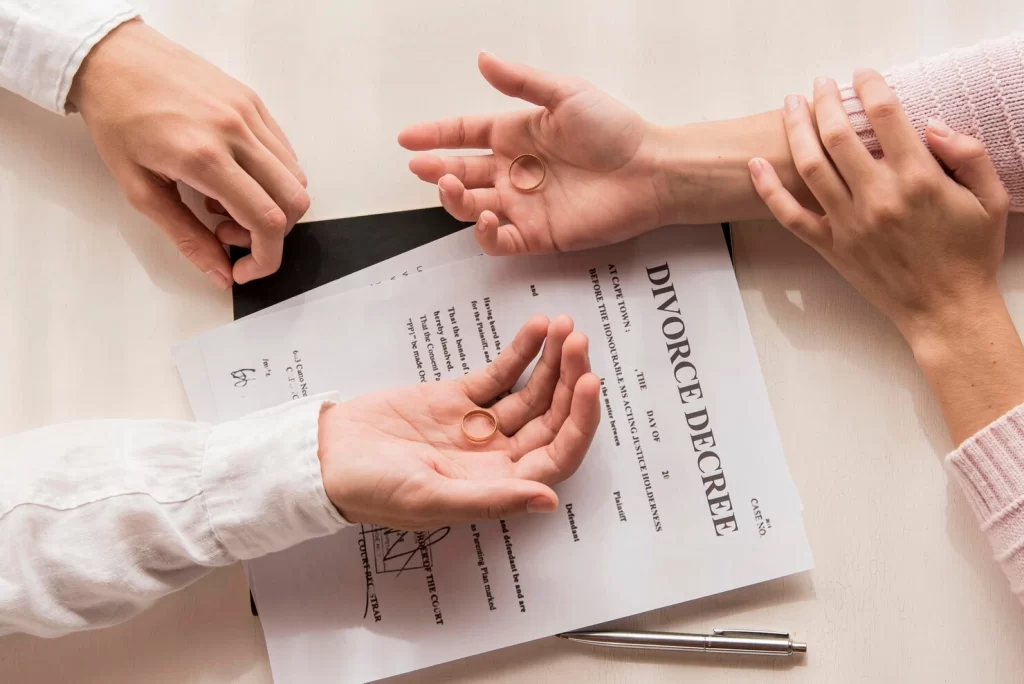


What happens when two people who once shared everything cannot agree on who keeps what? For many divorcing spouses, property division becomes the most contested and emotionally charged part of the process. When agreement feels impossible, legal guidance becomes essential.
At Daniel Ogbeide Law, we understand how unresolved property conflicts can delay closure and increase stress, and we help clients pursue structured, lawful solutions when negotiations stall.
In this article, we explain what occurs when spouses cannot agree on dividing marital property, the legal paths available, and how disputes are ultimately resolved under Texas law.
Why Property Division Disputes Are So Common
Property division disputes arise for many reasons, even in marriages that seemed straightforward. Over time, assets, debts, and financial expectations often become intertwined in complex ways.
Common causes of disagreement include:
- Differing views on what qualifies as marital versus separate property
- Disputes over the value of real estate, businesses, or retirement accounts
- Emotional attachment to specific assets
- Concerns about future financial security
- Distrust caused by incomplete or inaccurate financial disclosures
When communication breaks down, these disagreements often escalate into formal property division disputes that require legal intervention.
Understanding Property Division Under Texas Law
Texas follows a community property system. This means that, in general, assets and debts acquired during the marriage are presumed to belong to both spouses. However, this does not automatically mean everything is split evenly.
Courts aim for a division that is just and right, considering factors such as:
- Each spouse’s earning capacity
- Fault in the breakup of the marriage, where applicable
- Health and future financial needs
- Child custody arrangements
- The size and nature of the marital estate
When spouses cannot reach an agreement, a property division attorney in Texas helps ensure these factors are properly presented and supported.
What Happens When Negotiations Fail?

When informal discussions and settlement talks fail, the divorce does not stop. Instead, the process shifts toward formal dispute resolution methods.
1. Court-Ordered Mediation
In many cases, judges require mediation before allowing a property division case to proceed to trial. Mediation involves a neutral third party who helps spouses attempt to resolve disputes outside the courtroom.
Working with a property division mediation attorney in Houston during this stage can be especially valuable. Legal counsel helps prepare documentation, clarify positions, and protect against unfavorable terms. While mediation does not guarantee agreement, it often narrows the issues and reduces conflict.
2. Temporary Orders and Hearings
If disputes involve urgent matters—such as access to property, payment of debts, or use of shared assets—the court may issue temporary orders. These orders set rules while the divorce is pending and prevent one spouse from taking unfair advantage.
Temporary hearings can address:
- Who lives in the marital home
- Responsibility for mortgage or loan payments
- Restrictions on selling or transferring property
These steps help stabilize the situation while the broader division remains unresolved.
Litigation and Judicial Property Division
If mediation fails, the case moves toward trial. At this stage, a judge takes control of deciding how marital property will be divided.
How the Court Makes Decisions
During trial, both sides present evidence, including:
- Financial records
- Property appraisals
- Expert testimony for businesses or investments
- Proof supporting claims of separate property
A property division lawyer in Houston plays a central role in organizing this information and advocating for a fair outcome. Judges review the evidence and issue a binding decision that both parties must follow.
Risks of Letting the Court Decide
While litigation resolves disputes, it comes with notable risks:
- Loss of control over the final outcome
- Public court proceedings
- Increased emotional strain
- Lengthier timelines
For these reasons, many spouses attempt resolution before trial, even after initial disagreements.
Common Assets That Trigger Disputes
Certain types of property frequently lead to disagreement when compromise proves difficult.
These include:
- Real estate:Family homes, rental properties, or land
- Business interests:Closely held companies or professional practices
- Retirement accounts:Pensions, 401(k)s, and IRAs
- Debts:Credit cards, tax obligations, and personal loans
- Personal property:Vehicles, collectibles, or valuable items
Each category requires careful handling to ensure proper classification and division.
Can Property Division Issues Be Revisited Later?
In most cases, property division orders are final. Unlike child custody or support, asset division generally cannot be modified after the divorce is complete, except in limited circumstances such as fraud or hidden assets.
This finality underscores the importance of addressing disputes thoroughly before the court issues its ruling. Once decisions are made, reversing them is extremely difficult.
Why Early Legal Guidance Matters

Waiting too long to seek help can limit options. Early involvement of a property division attorney allows for proactive planning, informed negotiations, and better preparation if litigation becomes necessary.
Even when agreement seems out of reach, structured legal guidance can prevent costly missteps and ensure rights are preserved throughout the process.
When the Stakes Are High, Who Should You Trust?
When your financial future depends on how property is divided, should the outcome be left to chance? At Daniel Ogbeide Law, we work with clients facing serious property division disputes and help them pursue clear, lawful resolutions.
As one of the firms handling complex family law matters, we bring focused attention to asset classification, negotiation strategies, and courtroom advocacy. Whether working toward settlement or preparing for trial, we aim to protect what matters most and guide clients through every stage of the process.
If you are dealing with unresolved property issues and need direction, speaking with us can help clarify your options and next steps. Contact Daniel Ogbeide Law to discuss how we can address your property division concerns with professionalism and care.