
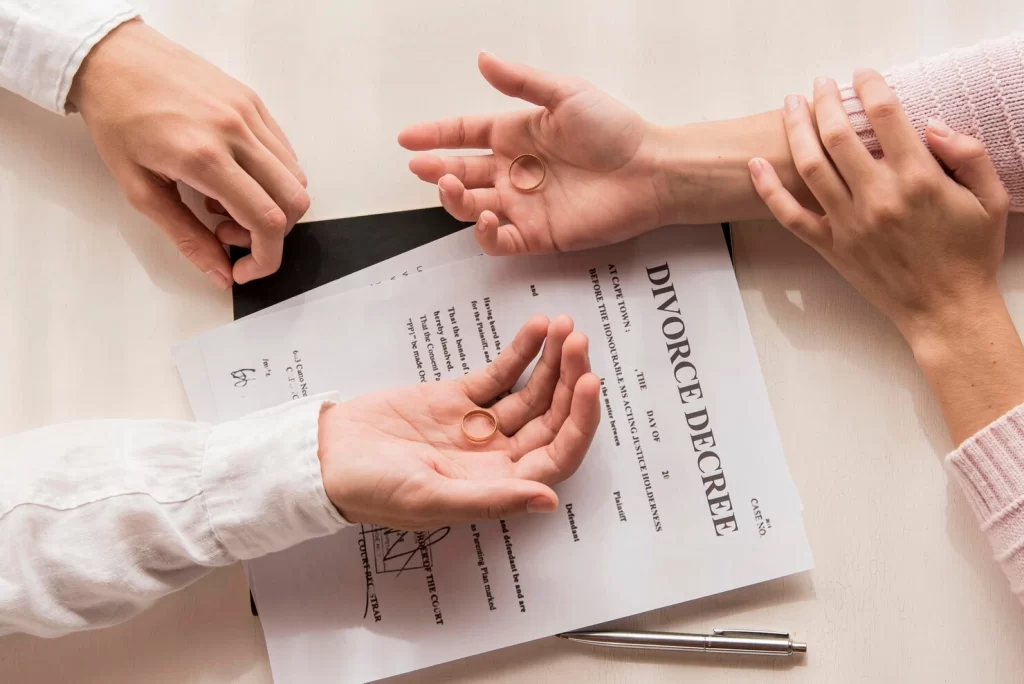



Family law cases are already emotionally and legally complex, but when a case moves into the appellate stage, the challenges often multiply. Contrary to what many believe, appeals in family law aren’t opportunities to “retry” a case. They require a very specific legal basis and are governed by strict timelines and procedural rules.
At Daniel Ogbeide Law, we understand how frustrating an unfavorable outcome in a family law case can be—but it’s important to know that an appeal is not simply about disagreeing with a judge’s decision. Our family law and litigation attorneys are here to explain why appeals are rarely straightforward and when it may be appropriate to pursue one.
What Makes Family Law Appeals So Complicated?
Unlike initial family court trials, appeals do not re-examine all aspects of a case. Instead, appellate courts focus on whether the original judge made a legal or procedural error significant enough to change the outcome.
Family law appeals are often complex because they involve:
- Narrow grounds for appeal: You can’t appeal just because you didn’t like the result. There must be a clear, documented mistake in how the law was applied.
- Strict deadlines: Most appeals must be filed within 30 days of the final judgment. Missed deadlines can result in the appeal being dismissed outright.
- Limited evidence review: New evidence is not introduced. The appellate court only reviews the existing record from the original trial.

When Can You Appeal a Family Court Decision?
Appeals may be appropriate if:
- The judge misapplied the law.
- There was a lack of sufficient evidence to support the ruling.
- Your rights were denied due to a procedural error (such as being denied the chance to present critical evidence).
For example, if a judge makes a custody decision based on improper assumptions or without considering all relevant factors, a child custody lawyer may be able to help you identify whether an appeal is viable. Similarly, errors in calculating property division or mishandling evidence during a divorce trial might justify an appeal with support from a property division lawyer or a contested divorce attorney.
Common Misunderstandings About Appeals
We often hear from clients who believe an appeal will allow them to reargue their entire case or bring in new facts. Unfortunately, that’s not how the appellate system works.
Here are a few common myths:
- “I’ll just explain it better on appeal.”Appeals don’t involve new testimony or explanations. They rely only on the trial record.
- “I can fix any mistakes I made in the original case.”Appeals focus on court errors, not on a party’s failure to present information at trial.
- “An appeal will reverse everything.”Even if an appeal is successful, the case may simply be sent back to the trial court for reconsideration, not reversed entirely.

The Role of Your Attorney in the Appeals Process
Because of the legal precision required in appeals, it’s essential to work with a family law attorney who understands the appellate process. The stakes are high—especially when dealing with child custody, property division, or postnuptial agreements—and the window to act is small.
Our team at Daniel Ogbeide Law includes family law and litigation lawyers who can thoroughly review your case, evaluate whether an appeal is possible, and craft a compelling appellate brief. We work with clients to identify:
- Legal errors in the trial court’s decision.
- Missed or misapplied legal standards.
- Opportunities for challenging rulings related to child visitation, property rights, or enforcement of orders.
Appeals vs. Modifications: Knowing the Difference
Sometimes, a family law judgment may feel unfair or no longer reflect your current circumstances, but that doesn’t necessarily mean you need an appeal. In many cases, a family lawyer can help you file for a modification instead.
For example:
- If your parenting time needs to change due to work or relocation, a child visitation attorney may advise a modification instead of an appeal.
- If your ex-spouse refuses to follow custody or support orders, an enforcement attorney can help you take corrective legal action.
- If you’ve experienced a major financial shift, it may be appropriate to adjust property or support terms rather than appealing.
Appeals are for legal mistakes. Modifications are for changed circumstances. Our team can guide you toward the right path for your situation.

High Standards and Low Success Rates
It’s important to understand that very few family law appeals are successful. The standard to overturn a trial court decision is high, and appellate courts are often reluctant to interfere with a judge’s discretion unless a clear error is evident.
That’s why having the best contested divorce attorney or a knowledgeable child custody attorney in Houston is critical—not just during an appeal, but throughout your entire case. Strong legal representation during the original proceedings can reduce the risk of needing to appeal in the first place.
Final Thoughts
Family law appeals in Houston demand more than just determination—they require a deep understanding of appellate law, sharp legal writing, and strategic decision-making. If you’re considering an appeal, it’s vital to consult with experienced family court lawyers who can honestly assess whether you have a valid case and walk you through what to expect.
At Daniel Ogbeide Law, we’re committed to protecting your rights at every stage of the legal process, including appeals. Let us help you determine whether pursuing an appeal is right for you—and if it is, we’ll fight tirelessly to present your strongest case.
Contact Daniel Ogbeide Law Today
If you believe your family law case was decided unfairly, don’t wait to explore your options. Appeals are time-sensitive, and the sooner you act, the better. At Daniel Ogbeide Law, our experienced family lawyers in Houston are here to evaluate your case, explain your rights, and help you decide whether an appeal or other legal strategy is best. Contact us today to schedule your consultation—we’re ready to stand by your side and fight for the outcome you deserve.