
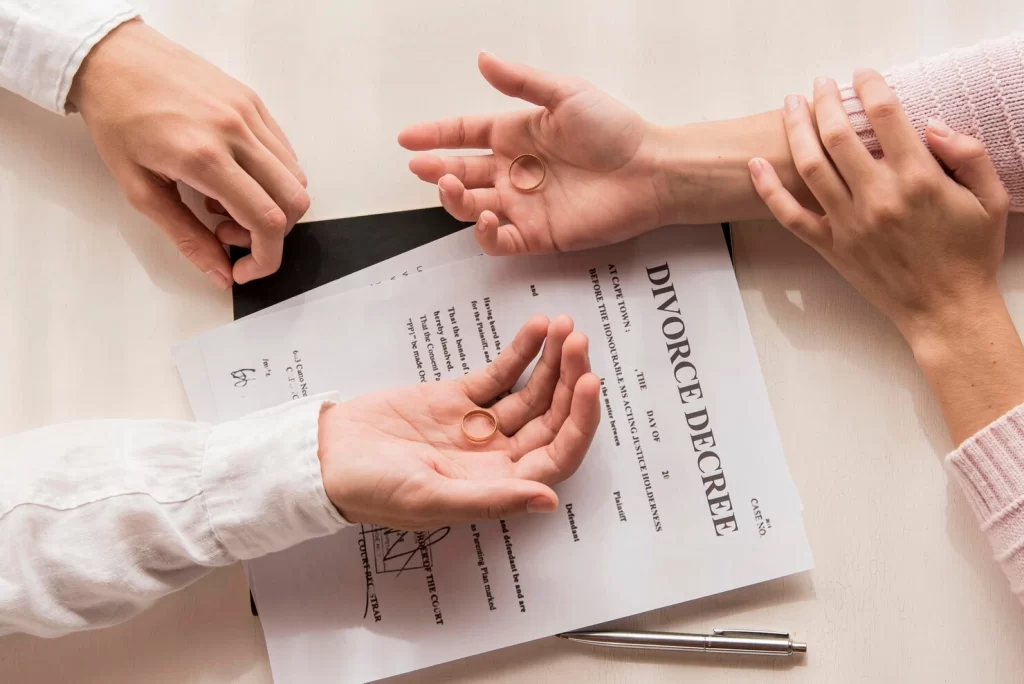



Have you ever wondered how judges decide who’s telling the truth when both spouses have very different stories? The answer often lies in one word: documentation. From text messages and bank statements to photos and emails, every record helps create a clearer picture of what really happened in a relationship — and what’s fair in its outcome.
In contested divorces, where spouses disagree on key issues such as finances, property, or child custody, the absence of proper documentation can seriously weaken a case.
At Daniel Ogbeide Law, we’ve seen firsthand how strong documentation can protect a client’s rights. Our firm handles complex family law matters in Houston, including contested divorces and common law divorces, where evidence often determines outcomes. We help clients understand what to collect, how to present it, and why these records are indispensable in court.
In this blog, we’ll discuss why documentation is essential in contested divorce cases, the types of evidence that matter most, and how having one of the best contested divorce attorneys in Houston on your side can make the difference between a fair resolution and an uncertain outcome.
Why Documentation in Contested Divorce Cases Is So Important
When emotions are high, memory can become unreliable. Documentation provides the structure and proof that courts need to reach fair, fact-based decisions. Whether it’s to confirm financial stability, track parenting involvement, or prove misconduct, documentation transforms personal claims into legal credibility.
Here are the main reasons documentation plays such a vital role:
1. It Establishes Financial Transparency
Money is one of the most common sources of dispute in a contested divorce. Courts rely heavily on financial documents to assess each spouse’s income, assets, and liabilities. Accurate records can expose hidden accounts or false claims and ensure equitable distribution.
Essential financial documents include:
- Bank statements and credit card records
- Pay stubs, tax returns, and business income reports
- Mortgage or rent payment histories
- Loan documents and retirement account statements
Without these, one spouse may have an unfair advantage or the court may have to rely on estimates rather than verified facts.
2. It Supports Child Custody and Visitation Claims
When children are involved, the court’s priority is always their best interest. Documentation helps demonstrate who has been the primary caregiver, who contributes most to their wellbeing, and who is more consistent in parenting responsibilities.
Helpful documentation includes:
- School attendance and report cards
- Medical and extracurricular activity records
- Communication logs with teachers, doctors, or counselors
- Journals or calendars showing parental involvement
These records can substantiate your claims and show a judge your ongoing commitment to your children’s needs.
3. It Proves Misconduct or Patterns of Behavior
In certain cases, documentation can expose patterns of emotional or financial abuse, infidelity, or neglect. Courts are cautious about such allegations, and documentation helps turn accusations into verifiable evidence.
Examples of relevant documentation include:
- Emails, text messages, or social media communications
- Photos, videos, or audio recordings (when legally obtained)
- Witness statements or police reports
These materials can strengthen your credibility and protect your rights, particularly if false claims are made against you.
4. It Speeds Up the Legal Process

A contested divorce can already take months or even years to resolve. Proper documentation reduces delays by allowing your attorney to build a strong, organized case. It also limits back-and-forth requests for information between lawyers and ensures the court has all the necessary facts early in the process.
5. It Protects You Against Inconsistencies
When each spouse presents their version of events, inconsistencies can emerge. Documentation acts as a neutral record — something neither side can easily dispute. This protection is invaluable when credibility becomes central to the case.
What Type of Documentation Should You Gather?
Each divorce is unique, but certain types of documentation are almost always relevant. We typically recommend organizing your evidence into three main categories: financial, communication, and personal records.
A. Financial Documentation
Keep a detailed record of your finances. This not only helps your lawyer present an accurate picture but also prevents your spouse from hiding or misrepresenting assets.
Collect and preserve:
- Tax returns (at least the last three years)
- Pay stubs and income statements
- Bank and credit card statements
- Investment and retirement account summaries
- Property deeds and mortgage documents
- Business ownership or income records
B. Communication Records
Communication history provides context and evidence for many disputes, from parenting disagreements to harassment claims.
Include:
- Text messages and emails related to finances or childcare
- Social media posts that demonstrate behavior or admissions
- Voice messages or call logs that show patterns of contact
- Written agreements or discussions about shared responsibilities
C. Personal and Parenting Records
These can illustrate the reality of daily life, caregiving, and personal conduct.
Examples include:
- School and medical records
- Travel documents for children’s vacations or custody exchanges
- Receipts for childcare, extracurriculars, or shared expenses
- Photos or calendars that support your role in the children’s lives
The goal isn’t to overwhelm the court with paperwork but to provide reliable, organized evidence that supports your position clearly.
The Final Question: Are You Prepared to Prove Your Case?

Divorce is rarely easy, but the more prepared you are, the more control you maintain over the outcome. Documentation may not change emotions, but it does change results. Whether you’re gathering bank statements or saving relevant messages, every piece of proof brings you closer to a fair and accurate resolution.
At Daniel Ogbeide Law, we know how to use documentation effectively in contested divorce cases. As one of the leading divorce law firms in Houston, our team helps clients understand what evidence matters most and how to present it strategically. We also handle complex family law matters in Houston, including property division, custody disputes, and common law divorces — ensuring your case is built on truth, not guesswork.
If you’re facing a contested divorce, don’t face it unprepared. Contact Daniel Ogbeide Law today to speak with one of the best contested divorce attorneys in Houston. We’ll help you organize your documentation, safeguard your rights, and pursue a fair outcome with confidence.