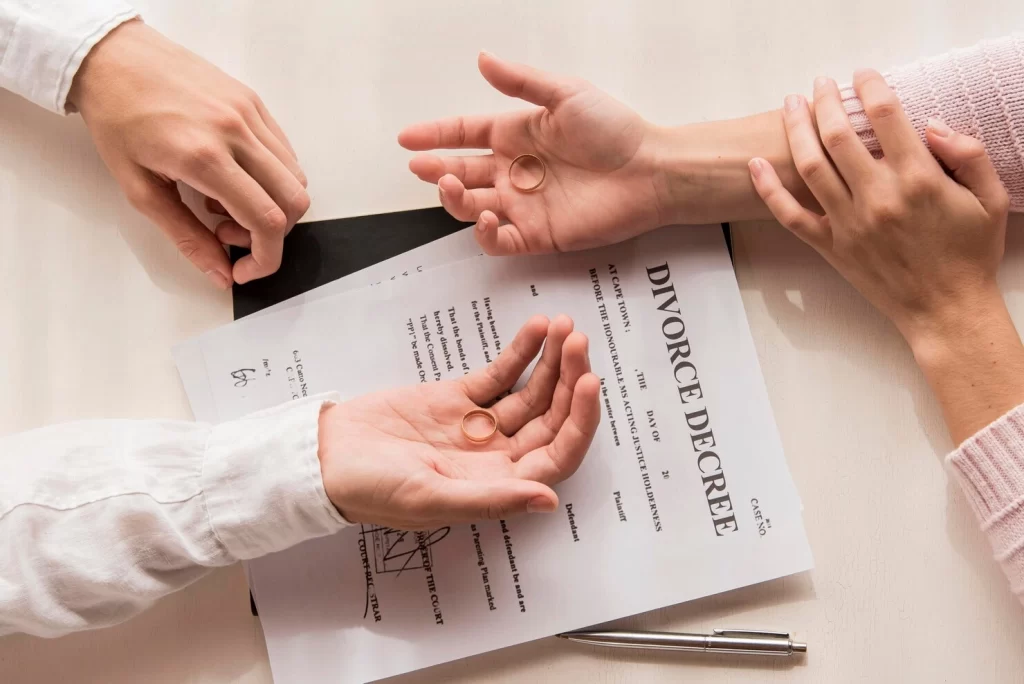



What if you and your spouse agree on every major issue, but one mistake on a court form turns a straightforward divorce into a much longer legal problem? An uncontested divorce may appear simple, and Texas does allow people to represent themselves in civil cases. Yet self-representation comes with the same procedural standards that apply to attorneys.
At Daniel Ogbeide Law, we help clients understand when handling an uncontested divorce without a lawyer may be practical and when legal guidance can prevent avoidable problems.
This article explains what self-representation involves, where mistakes commonly occur, and when professional legal assistance may be worth considering.
Yes, You Can Represent Yourself
In Texas, you generally have the right to represent yourself in a divorce case. A person who does so is commonly called a pro se or self-represented litigant. TexasLawHelp confirms that self-represented parties must follow the same court rules and standards that apply to lawyers.
For a genuinely simple uncontested divorce, self-representation can be possible.
The situation is more suitable when:
- Both spouses agree that the marriage should end.
- Both agree on how marital property and debts should be divided.
- There are no significant disputes over retirement accounts, investments, or real estate.
- Neither spouse is seeking a disputed support arrangement.
- If children are involved, both spouses agree on custody, visitation, support, and related issues.
- Both parties are prepared to complete the required paperwork and follow court procedures.
An Uncontested Divorce Still Involves Legal Decisions
One of the biggest misconceptions about an uncontested divorce without a lawyer is that there is nothing left to decide.
Agreement is important, but the agreement still has to be properly documented.
For example, spouses may verbally agree that one person will keep the house and the other will receive a particular financial account. That agreement may seem clear in conversation. However, the final legal documents need to accurately state what happens to the property, debts, accounts, and other relevant interests.
A vague agreement can create questions later.
The same issue applies to retirement accounts, vehicles, personal property, insurance obligations, and financial responsibilities. If something important is omitted from the final paperwork, correcting the problem later may be more difficult than addressing it during the divorce.
Where Self-Representation Commonly Goes Wrong

Representing yourself does not simply mean filling out a petition and waiting for a judge to sign it. Several steps can create problems.
1. Using the Wrong Forms
Texas divorce forms can vary depending on circumstances such as whether the spouses have children and whether the divorce is agreed or contested.
Using a form designed for a different situation can result in incomplete or incorrect filings. TexasLawHelp specifically provides different instructions and form sets for different divorce circumstances.
2. Leaving Important Information Out
A person completing paperwork alone may focus on obtaining the divorce and overlook property or financial issues.
That can become particularly serious when a marriage involves:
- A home or other real estate
- Retirement plans
- Investment accounts
- Business interests
- Significant debts
- Multiple bank accounts
- Valuable personal property
- Separate and community property questions
The Texas Young Lawyers Association’s pro se divorce guidance specifically warns that legal help can be important when property issues are involved.

3. Assuming Verbal Agreements Are Enough
You and your spouse may completely agree today. That does not mean every important term has been legally documented.
A final decree needs to communicate the agreement clearly enough that the parties, courts, financial institutions, and others can understand what was ordered.
4. Missing Procedural Requirements
A self-represented party must pay attention to filing requirements, deadlines, service or waiver procedures, hearing requirements, and local court rules.
TexasLawHelp notes that local rules can affect how a case is handled and that court clerks can provide information about procedures but cannot give legal advice.
5. Failing to Think Beyond the Divorce Date
A divorce decree is not merely paperwork marking the end of a marriage. Its terms can affect property rights, financial responsibilities, and other legal obligations after the case is finished.
Before signing an agreement, both spouses should understand what they are giving up, receiving, or remaining responsible for.
When Children or Significant Assets Are Involved
An uncontested case can become more complicated when children or substantial assets are involved.
If minor children are part of the case, the agreement may need to address issues such as:
- Conservatorship
- Possession and visitation
- Child support
- Medical support
- Insurance
- Other expenses affecting the children
TexasLawHelp provides specific guidance for agreed divorces involving children and states that the spouses must agree on all relevant issues for the divorce to be completed by agreement.
Financial circumstances also deserve careful attention. If the marriage involves a closely held business, substantial investments, real estate, executive compensation, or complex retirement benefits, a person may want advice before signing away legal rights.
This is one reason people with substantial marital assets may consult a high asset divorce lawyer before finalizing an agreement.

Before You Sign, Ask Yourself One More Question
If everything appears agreed today, are you certain the written divorce order protects your interests tomorrow?
That question is worth taking seriously. A divorce may be uncontested because spouses agree, but the agreement still needs to be complete, accurate, and legally appropriate. The right support can be especially valuable when property, financial accounts, children, or other significant issues are involved.
If you are unsure whether self-representation is right for your circumstances, contact Daniel Ogbeide Law. We can help you understand your options and identify potential issues before they become larger problems. Our divorce law firm in Houston assists clients with uncontested and contested family law matters, including those who need guidance from experienced divorce lawyers in Houston.
Contact Daniel Ogbeide Law to discuss your divorce and determine what type of legal support makes sense for your situation.